
As the global scientific community continues to monitor the health of the Earth’s climate, a significant shift in United States environmental policy has drawn urgent warnings from researchers worldwide. The potential dismantling of critical ocean monitoring infrastructure, which tracks vital deep-sea currents and temperature changes, has sparked intense debate regarding the future of climate data collection and the long-term stability of the Atlantic Meridional Overturning Circulation (AMOC).
For years, the U.S. Has played a leading role in maintaining a sophisticated array of sensors and buoys designed to provide real-time data on oceanic shifts. Scientists argue that the proposed reduction in these ocean monitoring systems could leave the international community effectively “flying blind” as they attempt to model the impacts of global temperature rises on essential maritime currents. The concerns center on the loss of high-resolution data that is necessary to detect early warning signs of systemic environmental instability.
The Critical Role of Deep-Sea Monitoring
The primary concern among oceanographers is the potential disruption to the oversight of the Atlantic Meridional Overturning Circulation. The AMOC is a complex system of ocean currents that acts as a global “conveyor belt,” transporting warm water from the tropics to the North Atlantic and playing a fundamental role in regulating weather patterns across the Northern Hemisphere. According to the National Oceanic and Atmospheric Administration (NOAA), the stability of this circulation is a primary indicator of broader climate health.
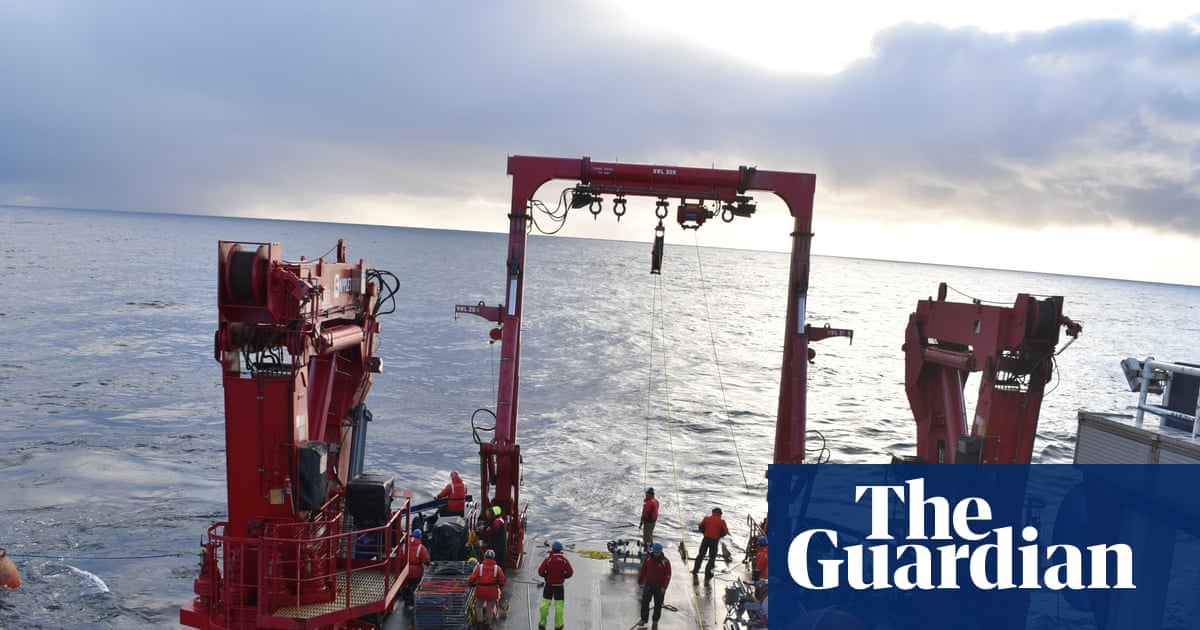
Maintaining these monitoring arrays is a massive logistical and scientific undertaking. Instruments placed at varying depths gather data on salinity, temperature, and current velocity. When these sensors are removed or left unmaintained, the “gap” in data creates a blind spot that can last for years, as the recovery of such long-term datasets is notoriously difficult once the continuity of the record is broken. Peer-reviewed research, such as that published by the Intergovernmental Panel on Climate Change (IPCC), emphasizes that consistent, long-term observational data is the bedrock of accurate climate forecasting.
Why Scientists Are Raising Alarms
The scientific opposition to the scaling back of these programs is rooted in the high stakes of current climate modeling. Researchers emphasize that the ocean absorbs a significant portion of the excess heat generated by greenhouse gas emissions. Without a robust monitoring network, the ability to track this heat absorption—and the subsequent stress it places on marine ecosystems—is severely diminished.

Experts in the field argue that the cost of maintaining these instruments is relatively low compared to the economic and social costs of failing to predict major climate shifts. As noted by the National Science Foundation (NSF), which manages various research grants and facilities, the integration of data from satellites, surface buoys, and deep-sea moorings is essential for a holistic understanding of the planet’s changing environment. The removal of these assets is viewed by many as a strategic retreat from evidence-based environmental policy.
Impacts on Global Climate Strategy
The implications of this policy shift extend far beyond the United States. Ocean currents do not adhere to national borders; the data gathered by these systems is shared globally to assist in weather forecasting, hurricane tracking, and agricultural planning. When a major contributor like the U.S. Reduces its monitoring capacity, the ripple effects are felt by international meteorological organizations and climate research bodies worldwide.
For policymakers, the challenge lies in balancing fiscal priorities with the need for long-term environmental security. However, the scientific consensus remains that the cost of “climate blindness” could prove far more expensive than the cost of the monitoring systems themselves. As the debate continues, the scientific community is calling for a re-evaluation of the decision, emphasizing that the window to gather critical baseline data is narrowing as global temperatures continue to fluctuate.
Key Takeaways
- Data Continuity: The removal of deep-sea monitoring instruments risks creating permanent gaps in historical climate records.
- Global Security: Ocean currents are central to global weather stability, making monitoring a matter of international public safety.
- Scientific Consensus: Leading research institutions maintain that sustained, high-resolution data is non-negotiable for future climate projections.
As of June 2026, there have been no further official announcements regarding the specific timeline for the decommissioning of these monitoring arrays. The scientific community continues to advocate for the preservation of these assets through various academic and professional forums. We will continue to track developments as they arise from official government briefings and public records offices. We invite our readers to share their perspectives on this issue in the comments section below.