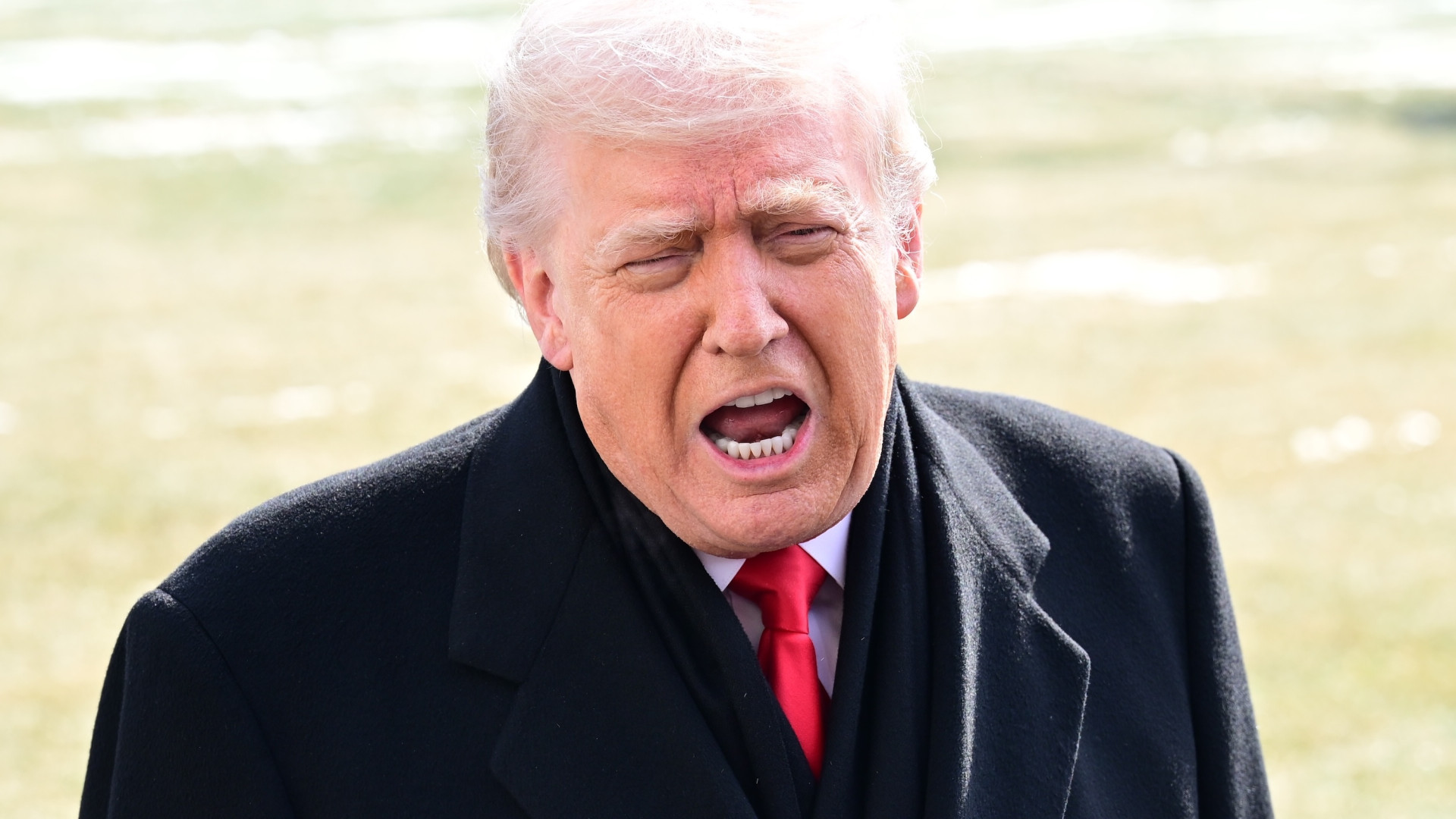
United States President-elect Donald Trump has signaled a potential shift in maritime policy regarding the Strait of Hormuz, suggesting that the U.S. may seek to enforce navigation rights through increased military presence. The strategic waterway, which serves as a critical transit point for approximately 20% of the world’s total petroleum liquid consumption, has faced recurring tensions between Iranian forces and international shipping interests, according to data from the U.S. Energy Information Administration.
This development follows a series of regional escalations involving military actions in the Middle East. While reports have circulated regarding the status of the waterway, the U.S. Central Command maintains that it continues to monitor the region to ensure the free flow of commerce. The situation remains fluid, with international observers closely watching how the incoming administration’s foreign policy may alter the existing military posture in the Persian Gulf.
Strategic Importance of the Strait of Hormuz
The Strait of Hormuz is widely regarded by geostrategic analysts as one of the world’s most significant “chokepoints.” Connecting the Persian Gulf with the Gulf of Oman and the Arabian Sea, it is the only sea route for much of the oil exported from the Persian Gulf states. According to the U.S. Energy Information Administration, the narrowest point of the strait is only 21 miles wide, making commercial vessels highly vulnerable to localized military interventions or blockades.

Historical precedents for the closure or disruption of the strait have historically triggered volatility in global energy markets. During past periods of heightened tension, insurance premiums for tankers transiting the region have spiked, reflecting the risks posed by regional instability. International law, specifically the United Nations Convention on the Law of the Sea, guarantees the right of transit passage through international straits, a principle that the United States has historically defended through its naval presence in the region.
Regional Tensions and Diplomatic Efforts
Recent reports regarding the closure of the strait have coincided with broader geopolitical friction. While various media outlets have suggested that Iran has restricted access to the waterway in response to military operations elsewhere in the Middle East, official verification of a total, sustained closure remains limited. Diplomatic channels, meanwhile, have seen increased activity, with various stakeholders seeking to prevent a wider regional conflict.
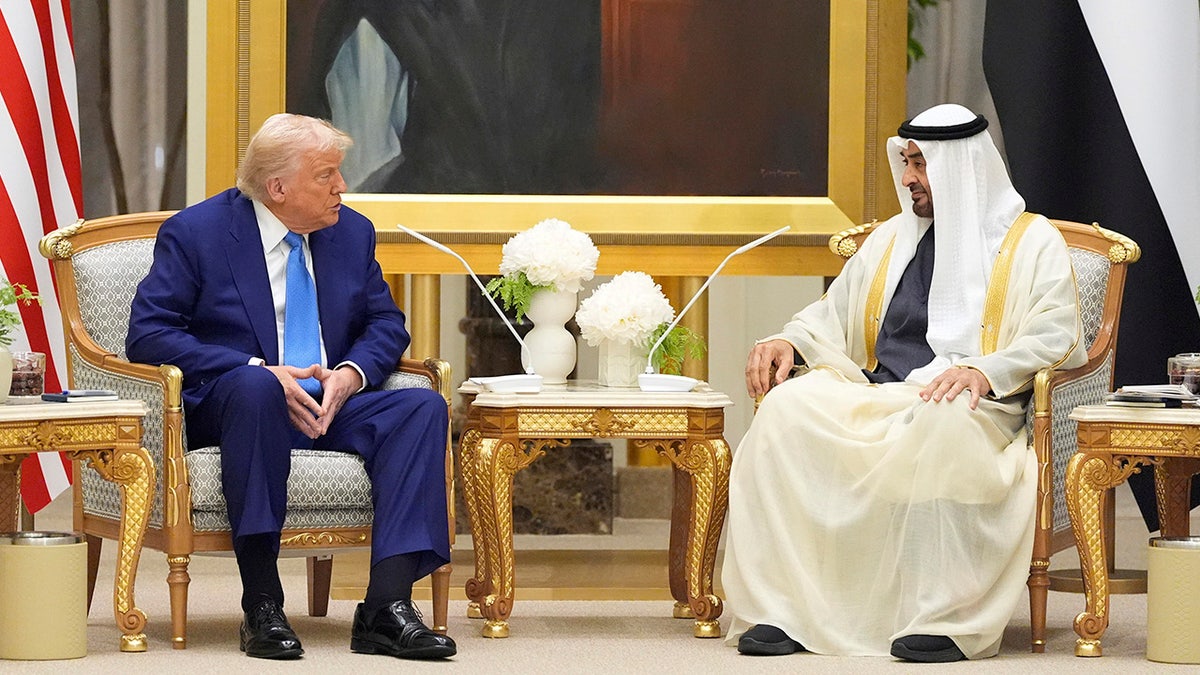
The role of international mediation remains a focal point for regional stability. Diplomatic efforts frequently involve neutral countries, such as Switzerland, which often hosts representatives for discussions between nations that lack formal diplomatic ties. According to the Swiss Federal Department of Foreign Affairs, the country’s “good offices” policy has historically been used to facilitate dialogue in complex international disputes. Observers note that any move by the U.S. to assert control over the strait would likely be met with strong diplomatic and potentially military protests from Tehran.
What Happens Next: Monitoring the Maritime Corridor
The immediate future of the Strait of Hormuz will likely be determined by the interaction between regional military maneuvers and the diplomatic strategies employed by the next U.S. administration. Analysts point to the following factors that will influence the situation in the coming months:
- Naval Posture: The deployment of the U.S. Fifth Fleet and its allies will continue to be the primary deterrent against the disruption of commercial shipping lanes, as outlined in official U.S. Naval Forces Central Command mission statements.
- Energy Market Response: Commodity traders will continue to track daily tanker transit volumes through the strait to gauge the impact of any potential security threats.
- Diplomatic Signaling: Public statements from both Washington and Tehran will serve as the primary indicators of whether the situation is trending toward de-escalation or further confrontation.
The next major checkpoint for this situation will be the upcoming legislative and executive briefings in Washington regarding defense appropriations and regional security strategies. International shipping companies are advised to monitor updates from the U.S. Maritime Administration for the latest security advisories and guidance on navigating the Persian Gulf safely. Readers are encouraged to share their perspectives on the evolving maritime security situation in the comments section below.
Related reading