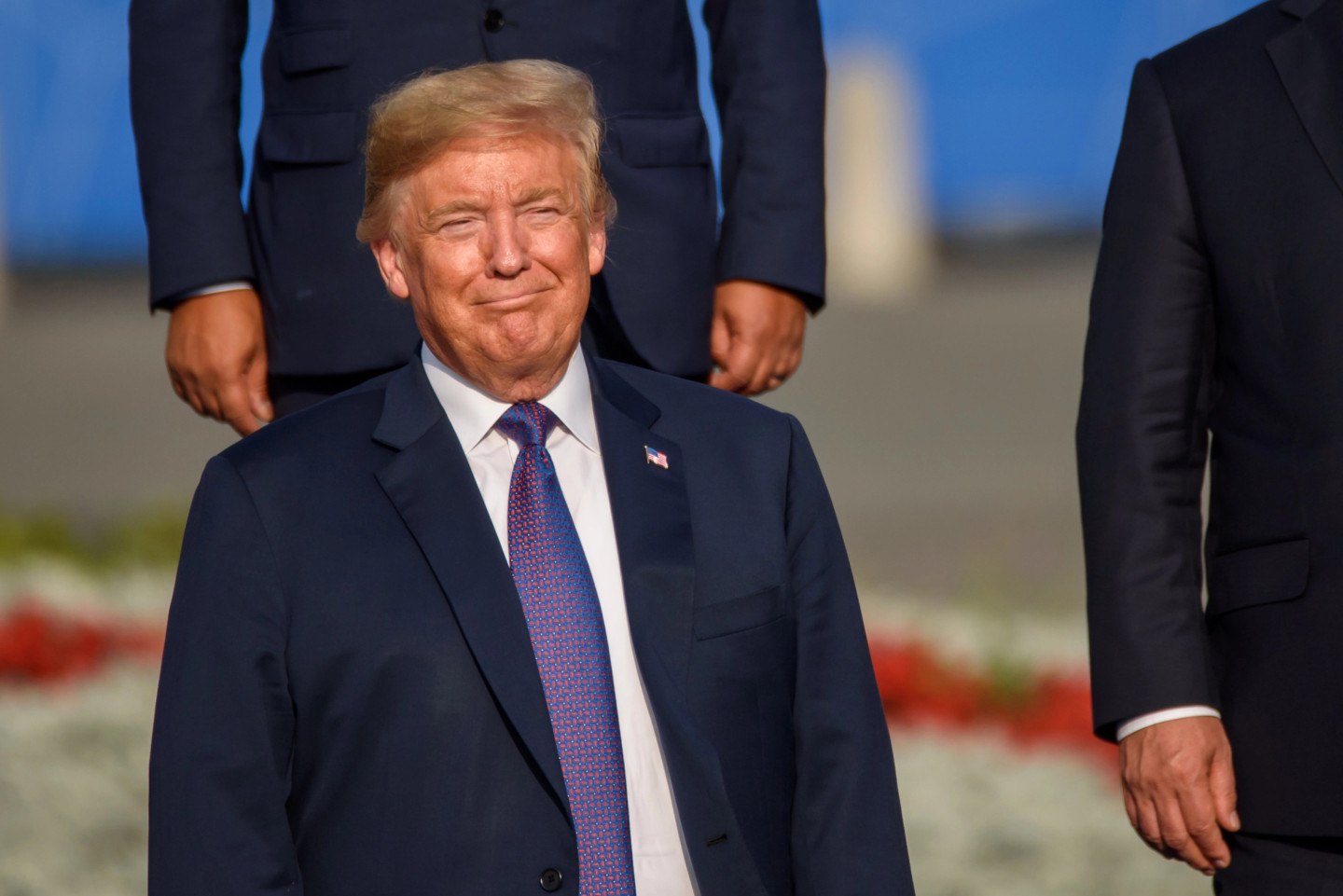
President-elect Donald Trump has publicly praised NATO Secretary-General Mark Rutte while simultaneously criticizing several European allies for their perceived lack of support in U.S.-led efforts concerning Iran. These remarks, delivered in the context of ongoing geopolitical realignments, highlight the evolving tension between Washington’s security expectations and the varying strategic priorities of its transatlantic partners.
The transition period in Washington has seen Rutte, who took office as NATO Secretary-General on October 1, 2024, actively engaging with the incoming administration to align priorities ahead of upcoming summit cycles. According to official NATO records, the Secretary-General’s recent visits to the United States aim to reinforce the bedrock of the trans-Atlantic alliance, focusing on defense spending targets and long-term security commitments.
Strategic Alignment and Diplomatic Friction
The praise directed toward Rutte reflects a specific focus on the Secretary-General’s emphasis on defense burden-sharing. Since his appointment, Rutte has consistently urged member states to increase their national defense expenditures to meet the 2% of GDP target established at the 2014 Wales Summit. This approach aligns with the long-standing demands of the incoming U.S. administration, which has prioritized fiscal accountability among alliance members.

However, the diplomatic dynamic remains complicated by divergent views on Middle Eastern security. Trump recently signaled dissatisfaction with the lack of material support from three European nations regarding U.S. military postures toward Iran. This criticism underscores a recurring theme in transatlantic relations: the desire for a unified Western front versus the independent foreign policy objectives of individual European capitals, particularly those seeking to maintain the integrity of the 2015 Joint Comprehensive Plan of Action (JCPOA).
The Role of NATO in Global Security
The alliance is currently managing a complex security environment, balancing the ongoing conflict in Ukraine with emerging challenges in the Middle East and the Indo-Pacific. As noted by the NATO Parliamentary Assembly, the organization’s primary mandate remains collective defense under Article 5 of the North Atlantic Treaty. The current friction regarding Iran policy highlights the limitations of NATO’s reach, as the alliance does not have a formal mandate to intervene in regional conflicts outside its defined area of responsibility unless its members’ security is directly threatened.
Analysts observe that Rutte’s strategy involves “gliding” the alliance toward a consensus that satisfies Washington’s need for a robust, active partner while respecting the internal political constraints of the European Union member states. The Secretary-General has emphasized that a strong NATO is the most effective tool for projecting Western stability, a message designed to appeal to both sides of the Atlantic political divide.
What Happens Next
The next major checkpoint for these diplomatic efforts will be the upcoming series of ministerial meetings and the preparations for the next formal NATO summit. These gatherings are expected to serve as a litmus test for the cohesion of the alliance under the new U.S. leadership. Observers will be monitoring whether the tension over Iran leads to a formal shift in NATO’s strategic concept or if the alliance continues to manage these differences through bilateral channels.
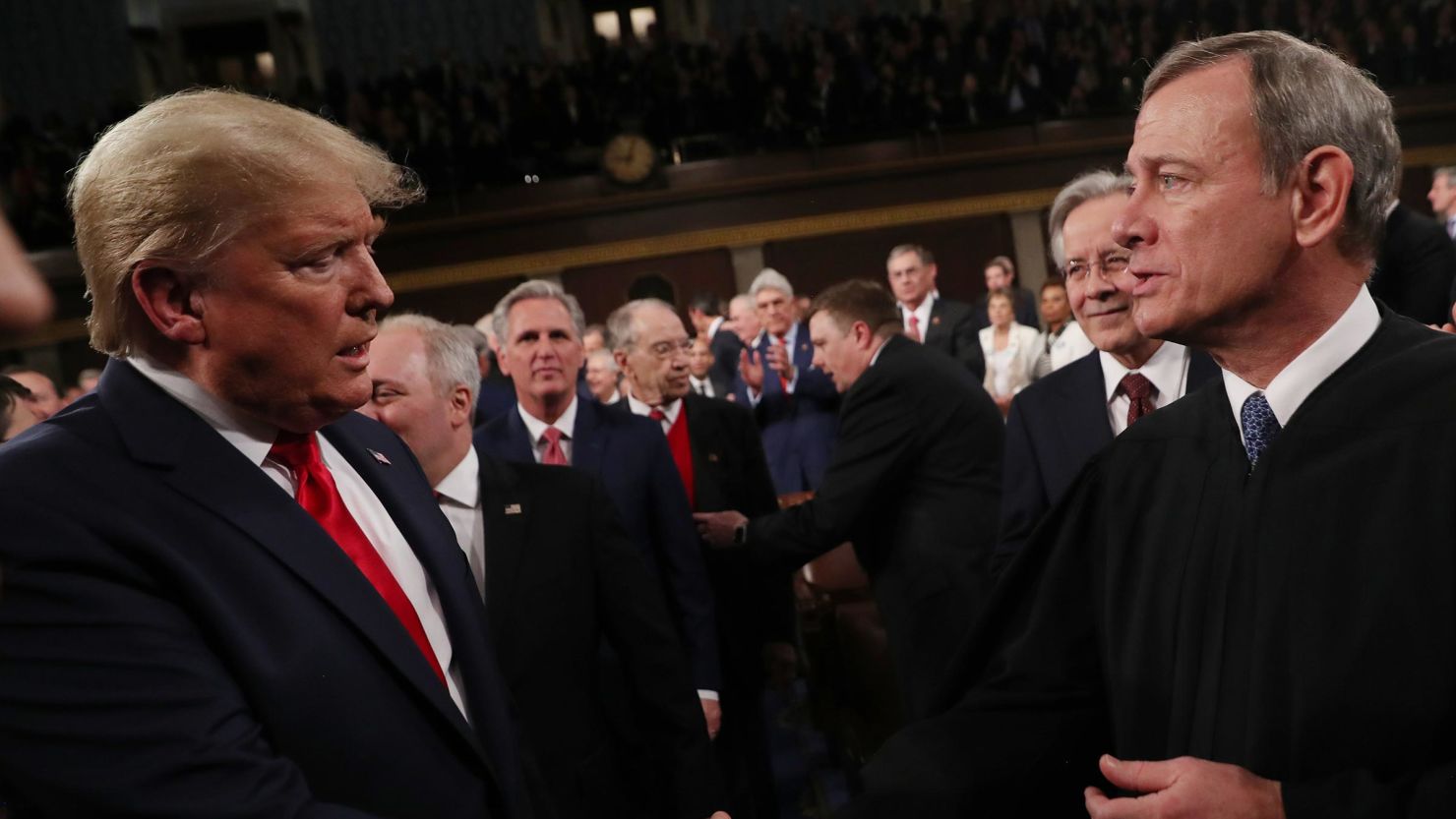
As the international community watches these developments, the focus remains on whether the current diplomatic outreach can bridge the gap between American strategic expectations and European security policy. The ongoing dialogue between the White House and the NATO headquarters in Brussels will likely dictate the tone of the alliance for the remainder of the decade.
We invite our readers to join the conversation on these critical geopolitical developments. Please share your thoughts or perspectives in the comments section below as we continue to monitor the evolving transatlantic partnership.