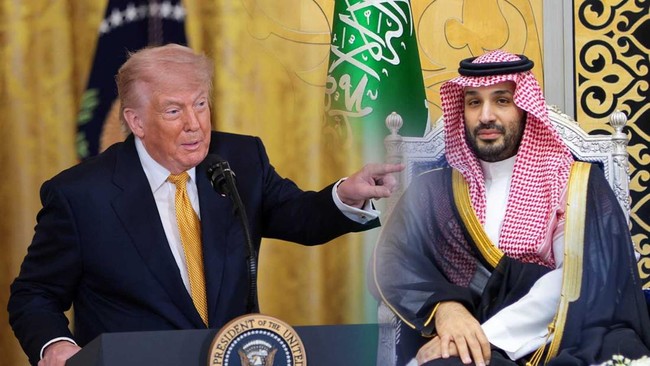
As the international community navigates the complex geopolitical landscape of the Middle East, the push for regional integration remains a central focus of U.S. Foreign policy. President Donald Trump has recently signaled a renewed emphasis on the Abraham Accords, advocating for the expansion of diplomatic ties between Israel and several Arab and Muslim-majority nations as a strategic element of regional stability.
The Abraham Accords, which were first initiated in 2020, represent a series of agreements that established formal diplomatic, economic, and security relations between Israel and several regional partners. As the administration looks toward the future, the integration of further nations into this framework is being framed as a priority, particularly in the context of broader efforts to resolve long-standing regional conflicts and address security concerns involving Iran.
Strategic Diplomatic Goals in the Middle East
The current diplomatic outreach led by the White House aims to build upon the momentum of the initial agreements. By encouraging further normalization, the administration seeks to create a more cohesive regional bloc capable of addressing shared challenges. This strategy is intrinsically linked to the broader goal of regional security, where the alignment of interests between Israel and its neighbors is viewed as a deterrent against regional instability.

According to official statements from the White House regarding the Abraham Accords, the objective is to foster a new era of cooperation that transcends historical grievances. The administration maintains that such partnerships are vital for economic prosperity and collective defense. However, the path to further expansion is complex, involving intricate negotiations that require balancing the diverse political, social, and security interests of multiple sovereign states.
Regional Perspectives and Challenges to Normalization
While the push for expanded diplomatic ties continues, the response from regional capitals remains varied. Many nations are carefully weighing the domestic and international implications of formalizing relations with Israel. These deliberations are often influenced by public sentiment, regional security dynamics, and the ongoing status of the Israeli-Palestinian conflict, which remains a significant factor in regional diplomacy.

Recent reports from international observers highlight that while some nations may be open to deepening engagement, others maintain a more cautious approach, prioritizing internal stability and regional consensus before committing to formal agreements. The role of United States Department of State diplomacy is critical here, as officials work to provide security assurances and economic incentives that may facilitate these hard political decisions.
Understanding the Abraham Accords Framework
The Abraham Accords are not merely a singular treaty but a collection of bilateral agreements that have transformed the regional landscape since their inception. The framework focuses on:
- Economic Cooperation: Expanding trade, investment, and technological collaboration across borders.
- Security Coordination: Enhancing intelligence sharing and defense cooperation to counter shared regional threats.
- People-to-People Ties: Promoting cultural exchange, tourism, and academic partnerships to foster long-term understanding.
For observers of global affairs, understanding the nuances of these agreements is essential for assessing the future of the Middle East. The accords represent a departure from traditional diplomatic models in the region, focusing on pragmatic interests rather than exclusively ideological alignment. As the United Nations continues to monitor regional developments, the success of these agreements will likely depend on the ability of all parties to demonstrate tangible benefits for their respective populations.
Looking Ahead: The Path to Regional Stability
The trajectory of Middle Eastern diplomacy will remain a key focus for global leaders in the coming months. As discussions continue regarding the potential for further normalization, the international community is watching closely to see which nations may be the next to join the fold. The administration’s emphasis on these accords suggests that they will remain a cornerstone of U.S. Strategy in the region for the foreseeable future.
The next major checkpoint for these diplomatic efforts will likely occur during upcoming high-level summits where regional leaders are expected to convene. These meetings will provide further clarity on the willingness of various states to engage in the process and the conditions they may require for such a commitment. For those interested in tracking these developments, official updates and policy briefs are regularly published through the White House Briefing Room.
We invite our readers to share their perspectives on this evolving situation. How do you see the role of regional integration shaping the future of the Middle East? Join the conversation in the comments section below and share this article to help foster a deeper understanding of these critical geopolitical developments.
Related reading