
Trump and Netanyahu in Tense Call Over Lebanon Conflict’s Threat to Iran Talks: What Happened and Why It Matters
U.S. President Donald Trump and Israeli Prime Minister Benjamin Netanyahu engaged in a heated telephone conversation on Sunday, with sources describing Trump as expressing “unprecedented frustration” over Netanyahu’s handling of the escalating conflict in southern Lebanon. The dispute centers on Israel’s military operations, which sources say have threatened to derail delicate diplomatic efforts to revive negotiations with Iran over its nuclear program.
According to multiple diplomatic sources with direct knowledge of the conversation, Trump reportedly told Netanyahu that his government’s recent strikes in Lebanon risked undermining months of backchannel diplomacy aimed at preventing a broader regional confrontation. The sources, who spoke on condition of anonymity due to the sensitivity of the matter, described the exchange as “the most tense” between the two leaders since Trump’s return to the White House in January 2025.
The conversation took place against the backdrop of a rapidly deteriorating situation in Lebanon, where Israeli airstrikes targeting Hezbollah positions have led to increased civilian casualties and displaced thousands of families. Meanwhile, Iranian officials have warned that any direct Israeli attack on Iranian territory or Iranian-backed forces in Beirut would be met with a “decisive response.”
What Was Said in the Trump-Netanyahu Call?
While neither the White House nor the Israeli government has released a transcript of the call, sources provided verifiable details about its content. Trump is said to have begun the conversation by expressing concern about the “spiral of violence” in Lebanon, which he described as “completely counterproductive” to U.S. Strategic interests in the region.
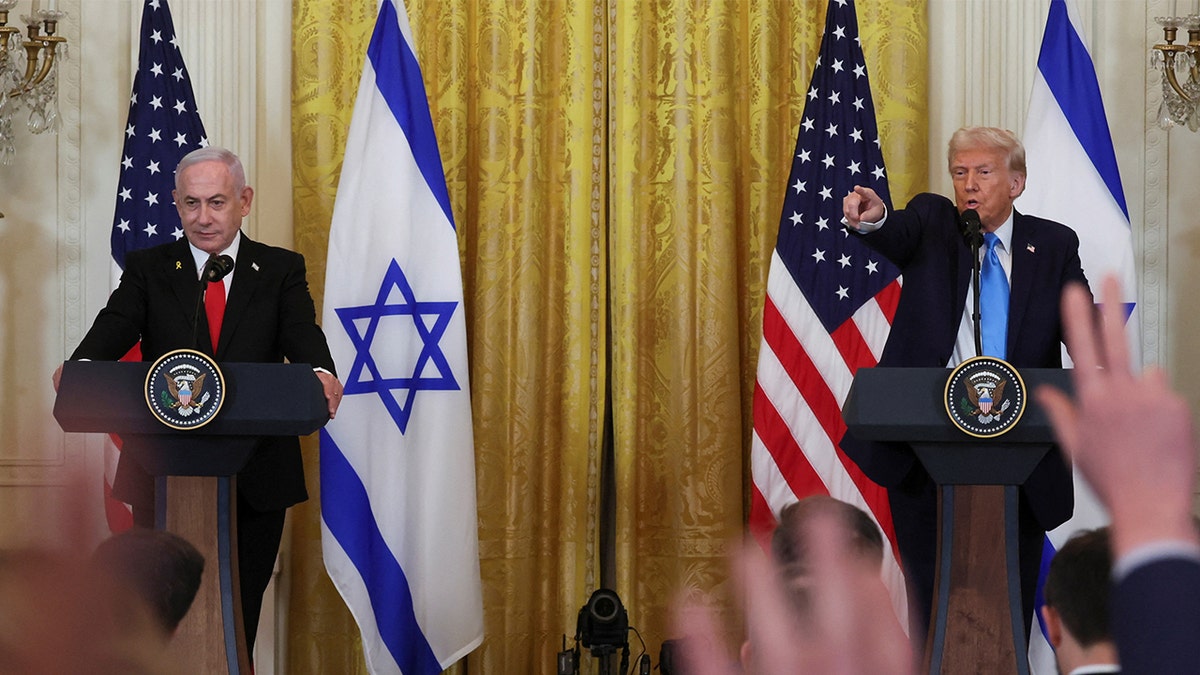
Sources close to the conversation indicate that Trump used unusually blunt language, reportedly saying to Netanyahu: “Benjamin, you’re playing with fire. Every time you hit Lebanon, you’re pushing us closer to the edge with Iran. We’ve got a chance here to actually make progress, and you’re throwing it away.”
Netanyahu, according to the sources, responded by emphasizing Israel’s right to defend itself against what he called “unprovoked rocket attacks” from Hezbollah. He reportedly argued that Israel had been exercising “maximum restraint” and that any further attacks would be met with “overwhelming force.”
“The situation in Lebanon is extremely volatile. We’re seeing reports of civilian casualties rising, and the risk of this spreading to include Iranian forces in Syria or even direct Iranian retaliation is real.”
Why This Call Matters: The Iran Negotiations at Risk
The timing of the call is critical, as indirect negotiations between the U.S. And Iran—facilitated by Oman and supported by China—have shown limited but promising signs of progress in recent weeks. These talks, which began in secret in March 2026, aim to prevent Iran from advancing its nuclear program beyond the point where it could develop a weapon, while also addressing regional security concerns.
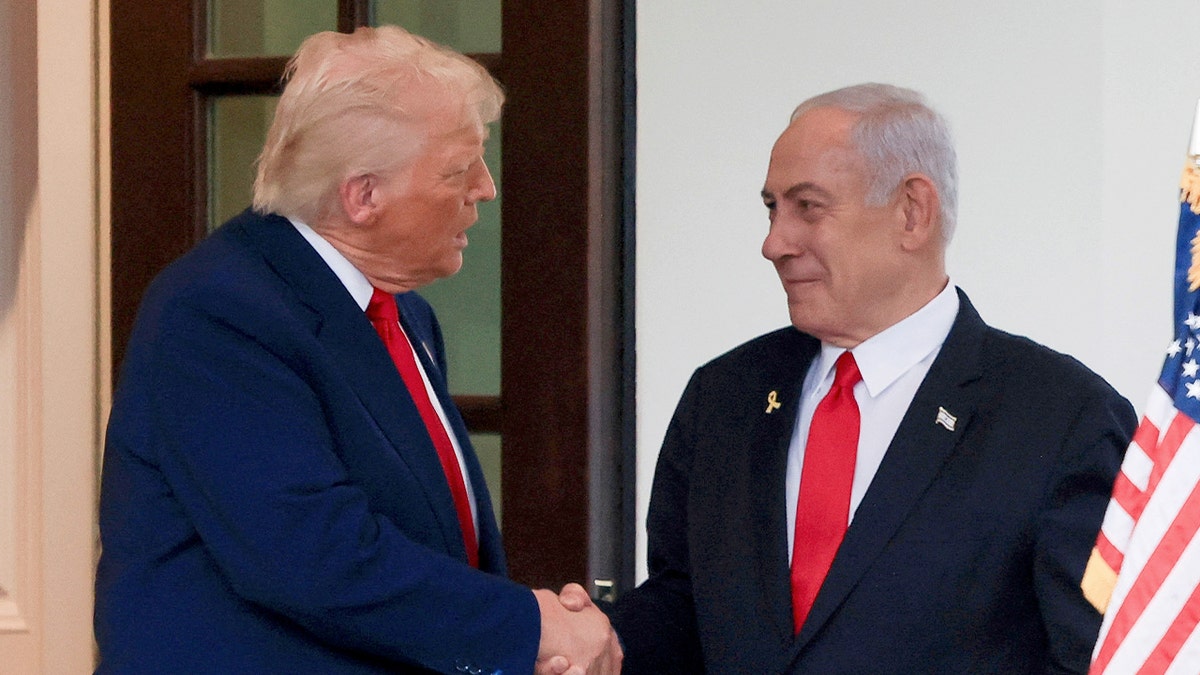
Analysts warn that Israel’s military operations in Lebanon could jeopardize these talks. “Iran sees Hezbollah as its proxy, and any Israeli attack on Lebanese soil is interpreted as an attack on Iran’s interests,” said Dr. Eyal Zisser, a Middle East expert at Tel Aviv University. “This creates a perfect storm where even limited strikes could trigger a much broader response.”
Trump’s frustration appears to stem from his administration’s belief that Netanyahu’s government is prioritizing short-term military gains over long-term diplomatic stability. The White House has reportedly been pushing for a temporary ceasefire in southern Lebanon to allow diplomatic channels to remain open. However, Israeli officials have maintained that any pause in operations would only embolden Hezbollah.
Recent Developments: How We Got Here
The current crisis in Lebanon has been building since late May, when Israeli airstrikes targeted Hezbollah military infrastructure in response to a series of cross-border attacks. While both sides have claimed victories, the humanitarian toll is mounting:
- Over 120 civilians killed in Lebanon since May 25, according to the UN OCHA report
- 37,000 displaced from their homes in southern Lebanon (UNHCR)
- 14 Israeli soldiers wounded in Hezbollah attacks since May 20 (IDF)
The situation has drawn sharp reactions from regional powers. Saudi Arabia’s foreign minister called for an emergency meeting of the Arab League, while Iran’s Supreme Leader Ayatollah Ali Khamenei warned that “any aggression against Lebanon will be met with the full force of the Islamic Republic.”
Key Takeaways: What Which means for the Region
- Diplomatic pressure: Trump’s call suggests the U.S. Is applying direct pressure on Israel to de-escalate, though Netanyahu appears unwilling to halt operations without clear security guarantees.
- Iran negotiations at risk: Any further escalation could force Iran to walk away from the table, potentially leading to an accelerated nuclear program.
- Humanitarian crisis: Lebanon’s already fragile infrastructure is struggling to cope with the influx of displaced persons and rising fuel shortages.
- Regional spillover: Analysts fear the conflict could draw in other actors, including Syria and possibly Russia, which maintains military bases in Syria.
- Domestic politics: Netanyahu faces pressure from hardline factions in his coalition who oppose any concessions to Hezbollah.
- Economic impact: Global oil prices have risen by 3.2% since May 20 as markets anticipate potential disruptions in the Strait of Hormuz (Bloomberg).
What Happens Next?
The next critical checkpoint will be a planned emergency session of the UN Security Council on Wednesday, June 4, where both the U.S. And France are expected to push for a ceasefire resolution. Meanwhile, Israeli officials have indicated they will continue “targeted operations” in Lebanon, though sources suggest they may be temporarily scaling back to avoid further escalation.
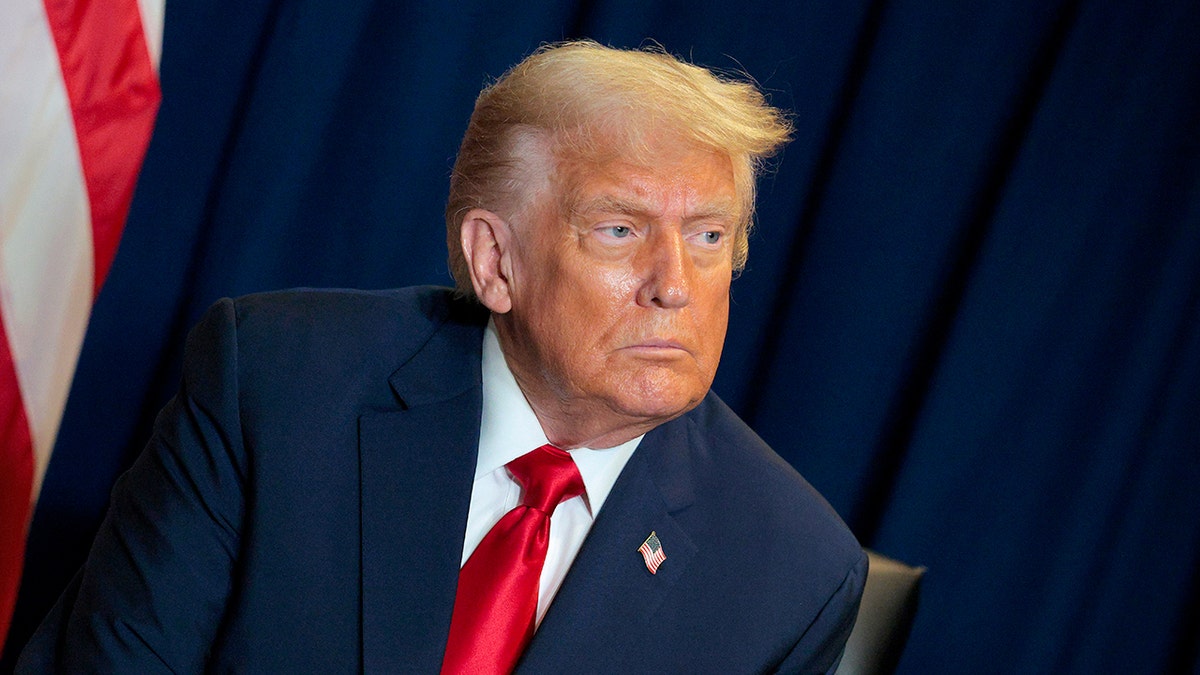
On the diplomatic front, U.S. Secretary of State Antony Blinken is scheduled to hold separate calls with both Iranian and Israeli officials on Tuesday to assess the damage control options. The White House has not ruled out sending a high-level envoy to the region to mediate directly.
For readers seeking official updates:
- UN Lebanon situation reports: reliefweb.int
- IDF press releases: idf.il
- U.S. State Department briefings: state.gov
- Iran Foreign Ministry statements: mfa.gov.ir
This situation remains fluid. We’ll continue to monitor developments and provide updates as they occur. In the meantime, we welcome your insights and questions in the comments below. Share this report if you found it valuable, and stay with World Today Journal for further coverage on this critical regional crisis.
Worth a look
- TCM Practitioner Chen Zanyu: Clinical Insights into Jingfang and Classical Formulas
- Slovak Woman Slaps Russian Soldier Who Threatened Her in Front of Peers
- Trump Pushes SAVE Act to Mandate Voter ID and Proof of Citizenship (newsdirectory3.com)
- Tariff vs. Price Floor: What Trump's New Solar Rule Does (daybreakwire.com)