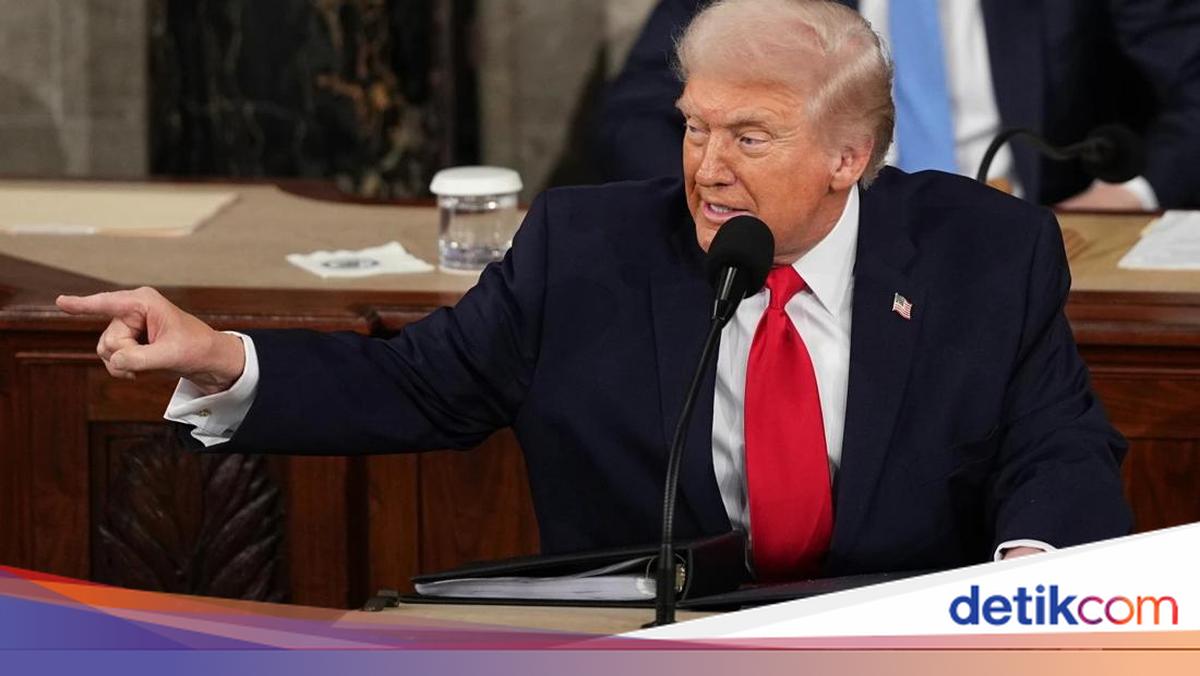
Former President Trump Calls for Deportation of Muslim Lawmakers Following State of the Union Clash
Washington D.C. – Former U.S. President Donald Trump has ignited controversy with calls for the removal of Representatives Ilhan Omar and Rashida Tlaib, both Muslim women serving in the House of Representatives, following a heated exchange during his recent public appearances. The former president accused the lawmakers of being “corrupt” and suggested they should “head back to where they came from,” echoing rhetoric that has drawn criticism from civil rights groups and political opponents. This incident underscores ongoing tensions surrounding political discourse and representation in the United States, and raises questions about the boundaries of acceptable debate.
The immediate catalyst for Trump’s remarks was the disruption during his speaking engagements, where Omar and Tlaib voiced their dissent. According to reports, the lawmakers interrupted the former president to protest what they characterized as his policies contributing to the deaths of American citizens at the hands of Immigration and Customs Enforcement (ICE) officials. Omar reportedly shouted, “You have killed Americans!” during the event. The exchange quickly escalated, leading to the lawmakers leaving the venue before the conclusion of the address. This incident has sparked a national conversation about the role of protest and dissent in a democratic society, and the appropriate response from political leaders.
Escalating Rhetoric and Online Attacks
Following the incident, Trump took to his social media platform, Truth Social, to further condemn Omar, and Tlaib. His posts, reported by Al Jazeera, included disparaging remarks about their intelligence and mental state, labeling them as “low IQ” and suggesting they “should be sent back to where they came from.” He further described them with inflammatory language, alleging they appeared “crazy” and “sick.” These statements have been widely condemned as racist and xenophobic, prompting calls for accountability and a more civil tone in political discourse. The Southern Poverty Law Center and other organizations have noted a correlation between such rhetoric and increased hate crimes against Muslim Americans.
Trump also extended his criticism to actor Robert De Niro, who had voiced opposition to him and his administration at a Democratic event. He accused De Niro of being “crazy” and “senile,” repeating claims about his intelligence. This broader pattern of attacks on political opponents and public figures raises concerns about the normalization of personal attacks and the erosion of respectful dialogue in American politics.
Background of Representatives Omar and Tlaib
Ilhan Omar, a representative for Minnesota’s 5th congressional district, is a naturalized U.S. Citizen who was born in Somalia. She immigrated to the United States as a child and has been a vocal advocate for progressive policies, including universal healthcare and criminal justice reform. She has served in Congress since 2019 and has faced repeated attacks and threats, often fueled by Islamophobia and xenophobia. NBC News reports that Omar has been a U.S. Citizen for nearly three decades.
Rashida Tlaib, representing Michigan’s 13th congressional district, is a Palestinian-American who was born and raised in Detroit. She is a progressive Democrat who has championed issues such as affordable housing, environmental justice, and workers’ rights. Tlaib was one of the first two Muslim women elected to Congress in 2018. Both Omar and Tlaib have consistently advocated for policies aimed at protecting civil rights and promoting social justice.
This proves important to note, as reported by Forbes, that neither Omar nor Tlaib is eligible for deportation as they are both U.S. Citizens.
Legal and Political Implications
Trump’s call for the deportation of U.S. Citizens is legally untenable. The U.S. Constitution protects the rights of citizens, and deportation is reserved for non-citizens. Legal experts have pointed out that Trump’s statements are not only factually incorrect but also potentially inciteful, given the rise in hate crimes against Muslim Americans. The Council on American-Islamic Relations (CAIR) has issued a statement condemning Trump’s remarks and calling for an investigation into potential incitement to violence.
Politically, the incident has further polarized the American electorate. Democrats have largely condemned Trump’s rhetoric, while some Republicans have defended him or remained silent. The incident is likely to be a key issue in the upcoming election cycle, as it highlights the deep divisions within American society and the ongoing debate over immigration and national identity. The incident also raises questions about the role of social media in amplifying divisive rhetoric and the responsibility of platforms to moderate harmful content.
The Role of Protest and Dissent
The actions of Representatives Omar and Tlaib also sparked debate about the appropriate forms of protest and dissent in a democratic society. While some have criticized their interruption of the former president’s remarks as disrespectful, others have defended their right to voice their opposition and hold power accountable. The First Amendment of the U.S. Constitution guarantees the right to freedom of speech, including the right to protest. However, this right is not absolute and can be subject to reasonable restrictions.
The incident underscores the importance of robust debate and the protection of dissenting voices in a healthy democracy. It also highlights the challenges of navigating complex political issues and finding common ground in a deeply divided nation.
As the political landscape continues to evolve, it remains to be seen how this incident will shape the future of American politics and the ongoing conversation about representation, inclusion, and the boundaries of acceptable discourse. Further developments are expected as investigations into potential incitement to violence proceed and as the 2024 election cycle gains momentum.
What are your thoughts on this developing story? Share your comments below and engage in respectful dialogue.