In a political earthquake that has reshaped the landscape of Central Europe, Péter Magyar and his Tisza Party have secured a landslide victory in Hungary’s national election, ending the 16-year tenure of Prime Minister Viktor Orbán. The result, confirmed on Sunday, marks one of the most significant democratic shifts in the region in over a decade, signaling a decisive move away from the nationalist policies of the Fidesz Party toward a pro-European future.
Péter Magyar’s victory in the Hungarian election was not merely a narrow win but a sweeping mandate. Addressing a jubilant crowd of supporters, Magyar declared that the nation had “liberated Hungary” and “took our homeland back,” pledging to lead the country toward a “free, European, functioning, and humane” state over the next four years. The scale of the defeat for Orbán, a long-time figurehead of the global right, has sent shockwaves through both the European Union and the United States.
The victory comes at a moment of high geopolitical tension. While Orbán had aligned himself closely with Russia and frequently obstructed European Union efforts to support Ukraine, Magyar’s center-right, pro-EU platform has been welcomed by Brussels as a “new dawn” for Hungary-EU relations. The shift is expected to remove a primary source of friction within the Union, potentially streamlining collective security and economic policies across the bloc.
A Landslide Shift in Budapest
The final tallies reveal a staggering shift in parliamentary power. The Tisza Party gained 138 of the 199 available seats according to TIME, effectively stripping Orbán’s Fidesz Party of its long-held dominance. Election officials indicate that Magyar is set to secure a two-thirds supermajority in parliament as reported by CNN, a position that may allow him to reverse many of the controversial institutional changes implemented during the Orbán era.

Viktor Orbán, 62, conceded the election on Sunday night, describing the results as “painful” but “clear” via CNN. In his concession, Orbán stated that he congratulated the victorious party and that his movement would now serve the Hungarian nation from the opposition as detailed by the Hindustan Times.
The statistical gap between the two candidates was stark. With 77% of the vote counted, Magyar held more than 53% support, while Orbán’s Fidesz party trailed with 38% per the Hindustan Times.
The Evolution of Péter Magyar
The man now poised to lead Hungary is a 45-year-old conservative-liberal leader whose path to power was an unexpected trajectory. Péter Magyar was once a loyal ally of Viktor Orbán, but the relationship splintered in February 2024 according to the Hindustan Times. The break was triggered by a scandal involving a presidential pardon for an individual convicted of covering up child sexual abuse, a controversy that led to the resignations of President Katalin Novak and Justice Minister Judit Varga, who is also Magyar’s ex-wife.
Magyar accused the Orbán government of sacrificing women to protect the regime, a narrative that resonated with a public increasingly weary of corruption. By forming the Tisza Party, Magyar bridged the gap between center-right conservatives and pro-European liberals, focusing his campaign on domestic failures, including a stagnating economy and a deteriorating healthcare system via CNN.
Economic Fatigue and the Fall of Fidesz
Analysts suggest that the primary driver of Orbán’s defeat was the state of the Hungarian economy. Leading up to the election, struggling economic indicators had caused Orbán’s party to falter in the polls as reported by TIME. While Orbán attempted to pivot the campaign toward national security—stoking fears that Hungary could be dragged into the war in Ukraine—voters ultimately prioritized internal stability and corruption reform via CNN.
The narrative of “regime change” became a central theme of the campaign. Magyar’s ability to present himself as a viable alternative who understood the inner workings of the Fidesz machine provided voters with a sense of security that the opposition could actually govern effectively once in power.
A “New Dawn” for Europe and a Blow to the MAGA Right
The global reaction to the election results has been swift and largely celebratory among Western leaders. European Commission President Ursula von der Leyen praised the result, stating, “Hungary has chosen Europe. Europe has always chosen Hungary. A country reclaims its European path. The Union grows stronger” via TIME. Similarly, Polish Prime Minister Donald Tusk welcomed Magyar “back to Europe” in a public video message according to TIME.

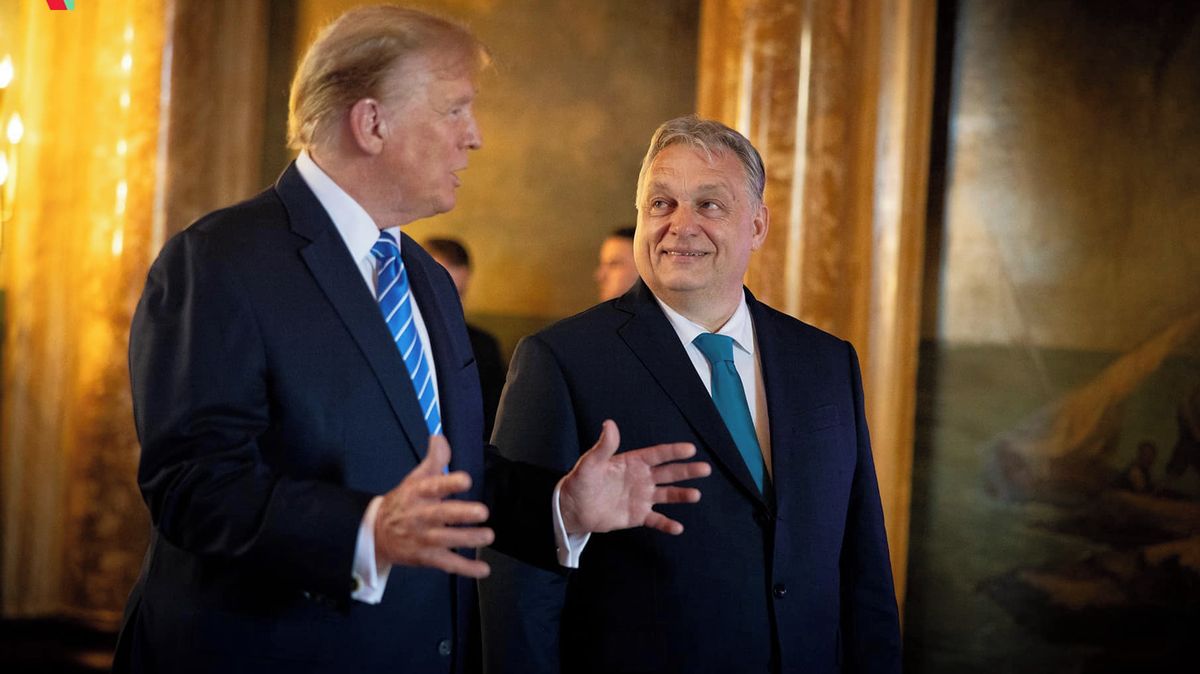
In the United States, the result is viewed as a significant political blow to President Donald Trump. Orbán had received a strong endorsement from Trump and was joined on the campaign trail by Vice President J.D. Vance just last week as reported by TIME. CNN described the victory of the pro-European Magyar as a “blow” for the U.S. President, given Orbán’s status as a key international ally for the nationalist, pro-Russian right via CNN.
Former U.S. President Barack Obama also hailed the results on X, comparing the victory to the 2023 Polish election and calling it “a victory for democracy, not just in Europe but around the world” according to CNN.
Key Takeaways of the 2026 Hungarian Election
- Complete of an Era: Viktor Orbán’s 16-year rule has ended following a landslide defeat.
- Tisza Party Dominance: Péter Magyar’s party won 138 of 199 seats, likely securing a two-thirds supermajority.
- Pro-EU Pivot: Hungary is expected to move away from its pro-Russian alignment and resolve long-standing frictions with the European Union.
- Economic Drivers: Stagnating economic growth and corruption were cited as primary reasons for the Fidesz party’s collapse.
- U.S. Impact: The defeat is seen as a setback for President Donald Trump, who had actively campaigned for Orbán.
As the transition of power begins, the international community will be watching closely to see how Magyar balances his commitment to the European Union with the complexities of the U.S. Relationship. While he has previously expressed views on U.S. Leadership, the focus now shifts to the practical implementation of his promised reforms.
Next Checkpoint: Péter Magyar is scheduled to take the oath of office in the coming week as reported by the Hindustan Times.
What do you think this shift means for the future of the European Union? Share your thoughts in the comments below or share this article with your network.
Worth a look
- Two U.S. service members killed in Jordan, one missing; Iran threatens ‘unforgettable lessons’ after calling off interim peace agreement
- Concert Bad Bunny in Milaan geëvacueerd om noodweer – HLN
- Trump says US being ‘invaded by filthy air’ as he threatens Canada with tariffs over wildfires (archyworldys.com)
- Trump Calls 2026 World Cup the Biggest Sporting Event Ever (world-today-news.com)