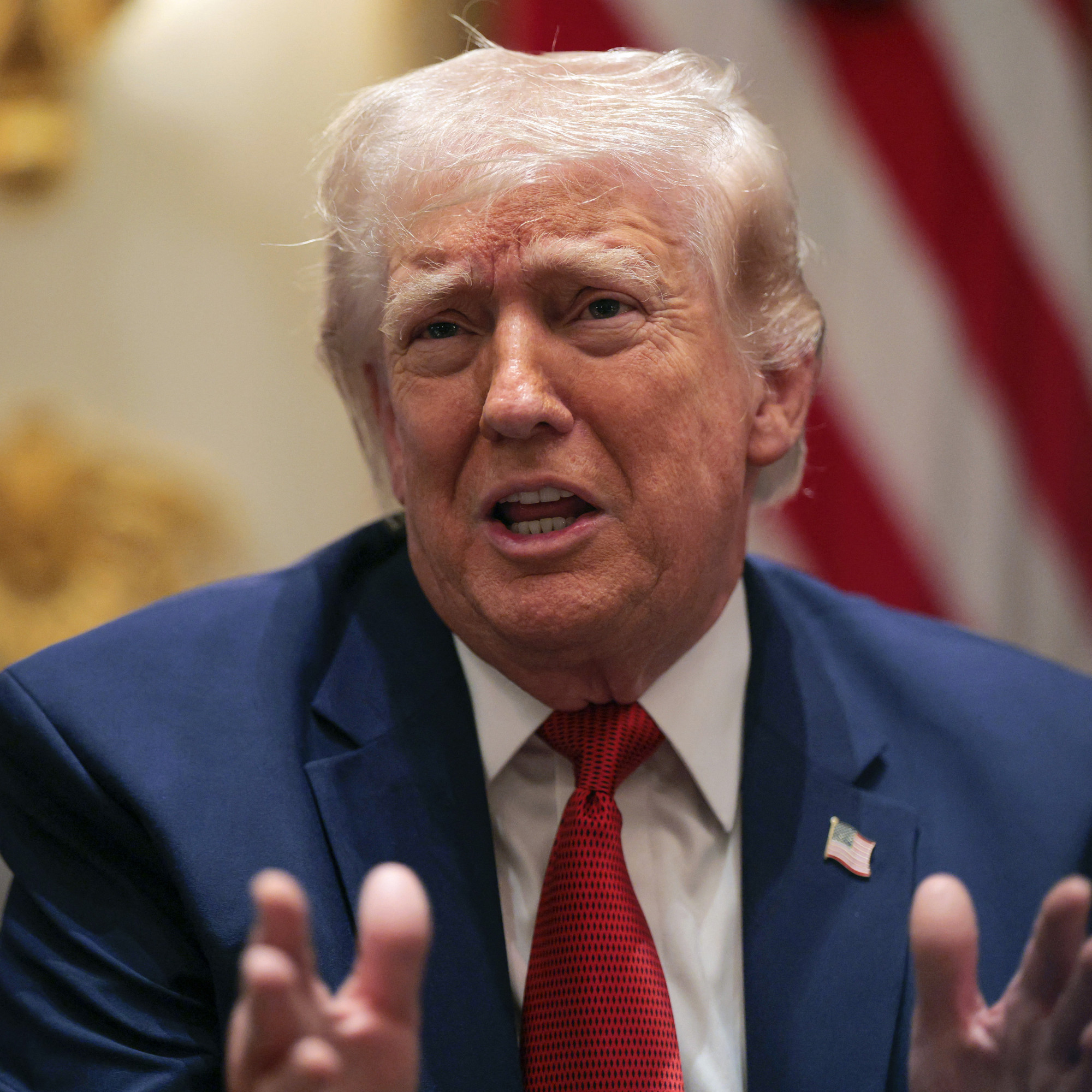
Tensions in the Middle East have reached a critical flashpoint as the White House confirmed that President Donald Trump has declined a proposed 45-day ceasefire in Iran. The proposal, put forward by international mediators, was intended to halt the escalating conflict, but U.S. Officials state that the president has not validated the idea, allowing the ongoing military operation—referred to as “Epic Fury”—to continue.
The diplomatic effort to avert further escalation was led by mediators from Pakistan, Egypt, and Turkey, according to reports from Axios. This refusal comes at a moment of extreme volatility, as the U.S. Administration maintains a hardline stance against Tehran, with the White House indicating that the proposed truce was merely “one idea among many” that did not meet the president’s current requirements.
The stakes have been heightened by a strict ultimatum issued by President Trump, demanding the immediate reopening of the Strait of Hormuz. This strategic waterway is vital for global energy markets, and the U.S. President has threatened to “unleash hell” if the Iranian government does not comply. The current deadline for this ultimatum is set for Tuesday evening, U.S. Time, creating a narrow window for diplomacy before potential further strikes on Iranian infrastructure.
This escalation is part of a broader, high-intensity power struggle where the U.S. Seeks to force Iranian compliance through a combination of military pressure and aggressive rhetoric. While some observers have hoped that the exfiltration of an American pilot would serve as a catalyst for dialogue, the atmosphere remains fraught, with the U.S. Continuing its offensive posture despite the mediation attempts.
The Failure of the 45-Day Truce Proposal
The attempt to secure a 45-day ceasefire was a coordinated effort by three key regional players: Pakistan, Egypt, and Turkey. These nations sought to provide a cooling-off period to prevent a full-scale regional war, but the White House has remained firm in its rejection. A senior U.S. Official clarified that while the proposal was received, President Trump did not approve it, ensuring that “Operation Epic Fury” remains active according to reports from RTL.
The rejection of this truce underscores a strategic shift in the U.S. Approach, prioritizing the achievement of specific objectives—namely the reopening of the Strait of Hormuz—over a general cessation of hostilities. For the mediators, the 45-day window was seen as a necessary bridge to restart negotiations; for the Trump administration, it appears to be viewed as an unnecessary delay in applying maximum pressure on Tehran.
The Strait of Hormuz Ultimatum
At the center of the current crisis is the Strait of Hormuz. President Trump has used his social media presence to demand that Iran “open the f***ing strait,” calling the Iranian leadership “crazy” and threatening devastating consequences if the waterway is not reopened as reported by RTL info. This ultimatum is not merely a diplomatic request but a “conditional declaration of war,” according to international relations experts.
The Iranian government has already rejected this ultimatum, setting the stage for a potential collision. The deadline is scheduled for Tuesday night (U.S. Time), which corresponds to the night between Monday and Tuesday in Belgium. If the deadline passes without the reopening of the strait, the U.S. Has signaled its intent to bombard key infrastructure within Iran.
Expert Analysis: A Cycle of Escalation
Geopolitical analysts are closely monitoring the volatility of the current situation. Raoul Delcorde, a professor of international relations at UCLouvain, has noted that the president’s rhetoric has turn into increasingly “febrile,” reacting by instinct rather than through traditional diplomatic channels. While the U.S. Remains the stronger power in this confrontation, the fact that Iran refuses to cede despite the pressure is amplifying the sense of “disproportion” in the U.S. Response.
The situation is further complicated by external influences. Thierry Breton has characterized the ongoing conflict as a “catastrophic victory,” suggesting that the U.S. May be weakened by the process while Iran potentially reconstitutes its capabilities with assistance from China per RTL reports. This perspective highlights the risk that short-term military gains may lead to long-term strategic instability in the region.
Key Stakes and Global Impact
The conflict is not limited to the two primary combatants. The global economy is particularly sensitive to the status of the Strait of Hormuz, as any prolonged closure or significant military engagement in the area could lead to a spike in global oil prices and disrupt international shipping lanes.
- Energy Security: The Strait is the world’s most essential oil transit chokepoint.
- Diplomatic Isolation: The rejection of mediators from Egypt, Turkey, and Pakistan suggests a breakdown in regional cooperation.
- Military Risk: The transition from targeted strikes to “unleashing hell” suggests a potential shift toward unrestricted warfare.
What Happens Next?
The immediate focus of the international community is now on the Tuesday night deadline. The White House has indicated that the president will hold a press conference at 1:00 PM (7:00 PM Paris time) to further outline the U.S. Position and the future of Operation Epic Fury.
With the 45-day ceasefire off the table and the Iranian government refusing to meet the U.S. Demands regarding the Strait of Hormuz, the window for a peaceful resolution is closing. The world now awaits the official communication from the U.S. Presidency to determine if the ultimatum will lead to a new wave of bombardment or if a last-minute diplomatic breakthrough is possible.
The next confirmed checkpoint is the presidential press conference scheduled for 1:00 PM (U.S. Time) and the expiration of the ultimatum on Tuesday evening.
We invite our readers to share their perspectives on this developing crisis in the comments below and share this report to preserve others informed on the escalating situation in the Middle East.