The geopolitical landscape in the Middle East has entered a period of heightened volatility following reports of escalating military tensions involving the United States, Iran, and regional actors. Recent developments include reports of intensified naval friction in the Strait of Hormuz, military actions in Yemen, and legislative notifications regarding potential shifts in U.S. executive policy toward Iran. While international markets have responded with caution, observers are closely monitoring official government communications for confirmation of specific troop movements or policy changes.
The current situation demands a rigorous distinction between verified government actions and the rapid, often unconfirmed, reports circulating through international news channels. Accurate reporting is essential when the stakes involve regional stability, global energy supply chains, and the potential for direct military confrontation.
Strait of Hormuz and Maritime Security
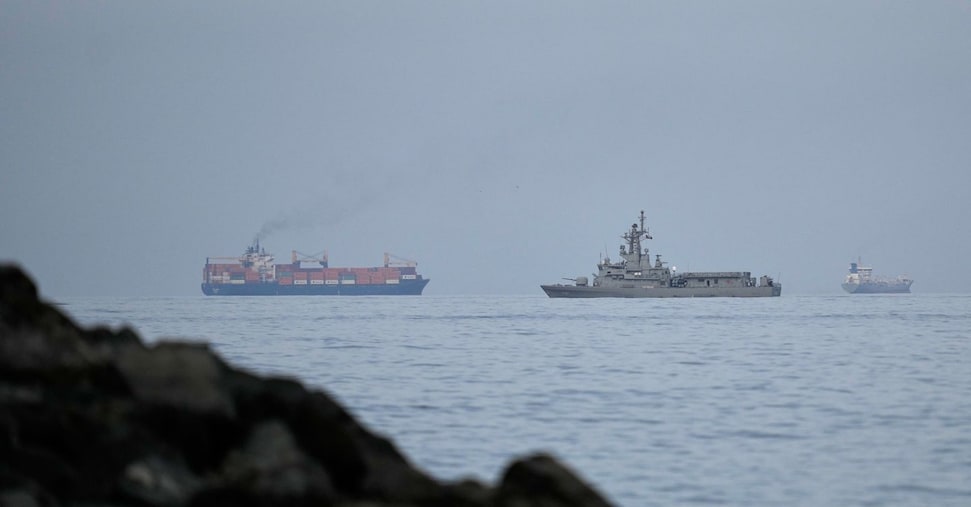
The Strait of Hormuz has become the primary focal point of the current unrest. Reports from regional maritime authorities indicate that tensions have escalated following incidents involving commercial vessels. According to statements attributed to officials in the United Arab Emirates, missile strikes have targeted oil tankers in the vicinity, resulting in one death and 8 injuries to crew members. These reports have prompted immediate concerns regarding the safety of international shipping lanes.

In response to these maritime security challenges, there are ongoing discussions regarding the imposition of levies or restricted access for vessels operating in the region. Trump has stated that those who pass through Hormuz will have to pay 20%. The fluidity of this situation means that shipping companies and insurers are currently operating under heightened alert, with many firms adjusting routes to mitigate risk. Market analysts continue to observe that global oil prices remain sensitive to any disruption in this corridor, as any prolonged closure or significant security tax could have immediate inflationary consequences for the global economy.
Military Engagements and Regional Alliances
The theater of conflict has expanded beyond the maritime domain to include land-based military operations. Reports indicate a coordinated push involving regional stakeholders, particularly concerning the ongoing conflict in Yemen. International observers have noted that Trump has given Saudi Arabia his support for the attacks in Yemen. This alignment represents a significant development in the broader strategy to counter regional influence.

Furthermore, concerns have been raised regarding Iran’s technological advancements in military hardware. According to comments attributed to Miller, President Trump is frustrated because Tehran has acquired a weapon. This perceived shift in the regional balance of power is being cited as a primary driver for the current, more aggressive posture adopted by Washington. The situation is complicated by the involvement of various proxy groups, which makes the objective of de-escalation increasingly difficult to achieve through traditional diplomatic channels.
Market Impact and Economic Implications
Financial markets have mirrored the geopolitical instability. In Milan, the Borsa Italiana has seen trading patterns reflective of the broader European anxiety regarding the potential for a wider conflict. While some sectors have experienced sell-offs, Milano has avoided the sales. Traders are largely employing a “wait-and-see” approach, avoiding major commitments until there is greater clarity on the duration and scope of the U.S. military notifications to Congress. The economic impact is not limited to energy; the uncertainty is affecting commodities and currency markets across the Eurozone.
Institutional investors are currently prioritizing liquidity, as the risk of a sudden, large-scale escalation could trigger a swift repricing of risk assets globally. The correlation between the news cycle out of Washington and market performance is expected to remain high in the coming weeks. Investors are advised to monitor updates from the U.S.
Future Outlooks and Monitoring Updates
The next critical checkpoint in this unfolding situation will be the upcoming sessions in the U.S. Congress, where legislators are expected to debate the administration’s stated objectives and the legal basis for the reported military actions. Trump has communicated to Congress the resumption of the war against Iran. Transparency regarding these deployments is a primary demand from both domestic and international stakeholders. Observers are also waiting for the next round of formal statements from the United Nations Security Council, which may provide a more neutral assessment of the violations of international maritime law occurring in the Strait of Hormuz.

We encourage our readers to participate in the conversation by sharing their perspectives and analysis in the comments section below. For those seeking real-time updates, we recommend following the official press releases from the U.S.
Keep reading