
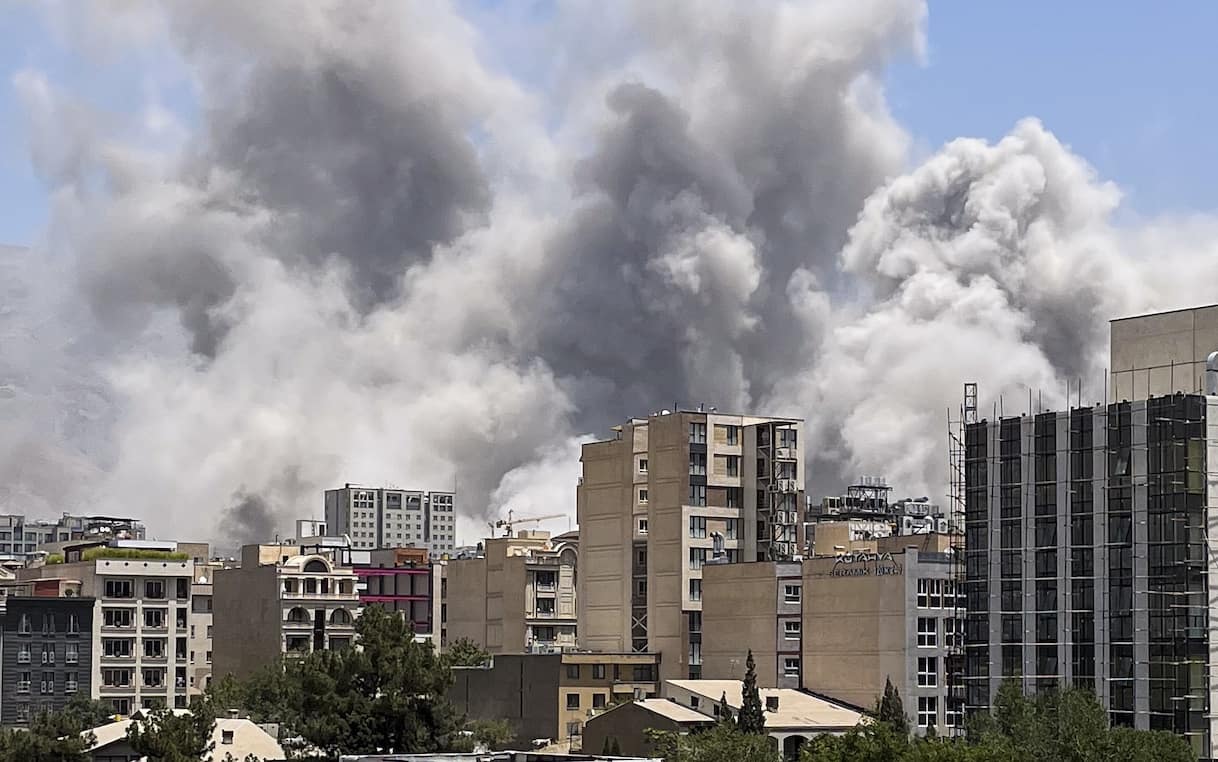
Trump-Iran Standoff: ‘Unacceptable Response’ Escalates Tensions as Diplomacy Hits Dead End
Sofia, Bulgaria — May 11, 2026
U.S. President Donald Trump has publicly rejected Iran’s response to his administration’s latest ceasefire proposal, calling it “totally unacceptable” in a post on Truth Social that has sent shockwaves through diplomatic circles. Meanwhile, Iranian officials have dismissed American overtures as irrelevant, deepening concerns about a potential military confrontation in the strategically vital Strait of Hormuz. The escalating rhetoric comes as Trump prepares for a high-stakes visit to China next week, where regional stability—particularly in the Gulf—will be a key topic of discussion.
Trump’s blunt assessment marks a significant hardening of the U.S. Stance just days after Iranian Revolutionary Guards threatened to target American military sites in the Middle East if their oil tankers faced further interference. The back-and-forth underscores the fragility of diplomatic efforts to de-escalate a conflict that has already disrupted global energy markets and prompted warnings from NATO allies about the risk of broader regional war.
As tensions rise, analysts warn that both sides appear to be playing a dangerous game of brinkmanship, with Iran’s hardline factions gaining influence while the U.S. Faces domestic pressure to demonstrate strength in the face of perceived Iranian defiance.
“I just read the response from Iran’s so-called ‘Representatives.’ I don’t like it—TOTALLY UNACCEPTABLE!”
Diplomatic Breakdown: How Did We Get Here?
The latest exchange follows weeks of secretive negotiations brokered through intermediaries in Qatar, where U.S. Special envoy Steve Witkoff and Iranian officials engaged in indirect talks aimed at halting military strikes in the Gulf. The Trump administration’s proposal reportedly included concessions on sanctions relief in exchange for Iranian commitments to halt attacks on commercial shipping and cease support for proxy groups in Yemen and Syria.
However, Iranian officials—including representatives from the Islamic Revolutionary Guard Corps (IRGC)—have repeatedly signaled that they view American demands as non-negotiable. In a statement carried by the Wall Street Journal, Iranian diplomats emphasized that any agreement must address “the root causes of the conflict,” including what they describe as U.S. “economic warfare” through sanctions and military actions. The IRGC’s public threats to retaliate against American military assets in the region have further complicated efforts to reach a compromise.
Trump’s public rebuke of Iran’s response suggests that his administration may be preparing for a more confrontational approach, possibly including expanded military operations or additional sanctions. Meanwhile, Iranian state media has framed the U.S. Proposal as an attempt to “divide and conquer” Iranian interests, with Supreme Leader Ayatollah Ali Khamenei’s office reportedly urging patience and unity among hardline factions.
Recent Escalations: A Timeline of Tensions
Over the past month, the U.S.-Iran standoff has intensified along several fronts:
- May 8, 2026: U.S. Military forces intercepted two Iran-flagged oil tankers near Qeshm Island, firing warning shots after the vessels appeared to be violating U.S.-imposed blockades. Iran’s IRGC vowed retaliation, stating that any attack on its “legitimate trade” would be met with “decisive action.”
- May 9, 2026: The U.S. Unveiled a new ceasefire proposal through Qatari mediators, offering partial sanctions relief in exchange for Iranian guarantees to halt attacks on shipping lanes and cease arms transfers to Houthi rebels in Yemen.
- May 10, 2026: Iran responded with a statement dismissing the U.S. Proposal as “insulting” and reiterating its demand for the lifting of all sanctions as a precondition for negotiations. Trump’s subsequent Truth Social post marked the first public U.S. Acknowledgment of the breakdown.
- May 10, 2026: Defense Secretary Pete Hegseth denied reports of critical shortages in U.S. Munitions stockpiles, accusing Senator Mark Kelly of “blabbing on TV” about classified Pentagon briefings. The exchange highlighted internal divisions over military readiness amid the Iran conflict.
Who Stands to Lose—orGain—in This Standoff?
The escalating tensions have far-reaching implications for multiple stakeholders:

- Global Energy Markets: The Strait of Hormuz, through which roughly 20% of the world’s oil supply passes, remains a flashpoint. Any disruption could trigger another oil price shock, particularly as global demand recovers post-pandemic. The International Energy Agency (IEA) has already warned of “severe supply chain risks” in its latest May 2026 Oil Market Report.
- NATO Allies: European nations, including Germany and France, have privately urged the U.S. To de-escalate, fearing that a broader conflict could destabilize the Middle East and draw in regional powers like Saudi Arabia and Israel. The North Atlantic Council held an emergency session on May 9 to discuss contingency plans.
- Domestic Politics: Trump’s hardline stance on Iran plays well with his base but risks alienating moderates who favor diplomatic solutions. Polls from Pew Research Center show that 58% of Americans support a tougher approach to Iran, but only 32% believe diplomacy can succeed.
- Iranian Hardliners: The IRGC and Supreme Leader Khamenei have capitalized on the standoff to consolidate power, portraying any concessions as a betrayal of the Islamic Revolution. Internal dissent within Iran’s leadership remains rare but could emerge if the economy worsens due to prolonged sanctions.
What Happens Next? The Risks of Escalation
With diplomacy at a dead end, military and economic risks are rising. Here’s what could unfold in the coming weeks:
- Expanded U.S. Military Operations: Reports suggest the U.S. Is considering preemptive strikes against IRGC bases in Syria and Iraq, where Iranian-backed militias operate. A Reuters investigation cites unnamed Pentagon officials confirming “planning for limited airstrikes” in coordination with Israel.
- Sanctions Escalation: The Trump administration may impose secondary sanctions on Chinese and Russian companies aiding Iran’s oil trade, further straining relations with Beijing ahead of Trump’s visit. China has already signaled irritation, with Foreign Minister Wang Yi calling for “restraint” during a press conference in Beijing.
- Regional Proxy Wars: Iran’s support for Houthi attacks on Red Sea shipping and its backing of Hezbollah in Lebanon could draw Israel into the conflict, risking a broader war. The BBC reports that Israeli warplanes have conducted “dozens of strikes” against Iranian targets in Syria since April.
- Energy Market Volatility: If the Strait of Hormuz is blocked, oil prices could surge by 30% or more, triggering inflationary pressures globally. The Bloomberg Commodities Index has already risen 8% this week.
Trump in China: Can He Balance Diplomacy and Defiance?
As the Iran crisis deepens, Trump embarks on a state visit to China next week, where he is expected to press President Xi Jinping on multiple fronts, including:
- Iranian Oil Trade: Trump will demand that China halt imports of Iranian crude, a key revenue stream for Tehran. Sources tell The Washington Post that Trump plans to raise the issue directly, offering China “trade concessions” in exchange for compliance.
- Taiwan Tensions: With U.S.-China relations already strained over Taiwan, the Iran crisis could complicate efforts to avoid a military confrontation in the South China Sea.
- North Korea Sanctions: Trump may seek Chinese cooperation on reining in North Korea’s nuclear program, though Beijing has shown little willingness to abandon its ally.
Analysts suggest that Trump’s tough stance on Iran may be designed to signal strength to both domestic and international audiences before his China trip. However, the risk of miscalculation remains high, particularly if Iran interprets Trump’s rhetoric as a green light for further aggression.
Key Takeaways
- Diplomatic Deadlock: The U.S. And Iran have failed to bridge their differences, with Trump calling Iran’s response “totally unacceptable” and Tehran dismissing American overtures.
- Military Risks: Both sides are engaged in a dangerous game of brinkmanship, with the Strait of Hormuz and Red Sea shipping lanes as potential flashpoints.
- Economic Fallout: Global oil markets are bracing for volatility, with prices already rising as tensions escalate.
- Regional Alliances: NATO allies are divided, while Iran’s hardliners are gaining influence at home.
- China Factor: Trump’s upcoming visit to Beijing will test whether he can use the Iran crisis as leverage—or if it will further complicate U.S.-China relations.
- Domestic Politics: Trump’s hardline approach plays well with his base but risks alienating moderates who favor diplomacy.
What to Watch: Upcoming Checkpoints
The next critical developments will likely include:

- May 12–15, 2026: Trump’s state visit to China, where discussions on Iran, Taiwan, and North Korea will take center stage. Official White House schedule will be updated daily.
- May 13, 2026: Expected U.S. Military briefing to Congress on Iran strategy, following Defense Secretary Hegseth’s denial of munitions shortages.
- May 14, 2026: Iranian Parliament session, where lawmakers may debate a response to U.S. Sanctions and military threats.
- May 15–17, 2026: Emergency meetings of the UN Security Council, requested by France and Germany, to discuss de-escalation measures.
For real-time updates, follow:
- U.S. Department of State
- Iranian News Agency (IRNA)
- White House Live Updates
- International Energy Agency Alerts
This is a developing story with significant implications for global security and economics. We welcome your insights and questions—share your thoughts in the comments below or reach out to our team at [email protected]. For breaking updates, follow @WorldTodayJrnl on X/Twitter and subscribe to our newsletter for in-depth analysis.
Maria Petrova is the Editor of the World section at World Today Journal, covering geopolitics, global conflicts, and cross-cultural reporting. With 14 years of experience in international journalism, Maria holds an MA in International Relations from Sofia University and has contributed to Balkan Insight and Reuters. Her work has been recognized with the European Press Prize for International Reporting (2022).