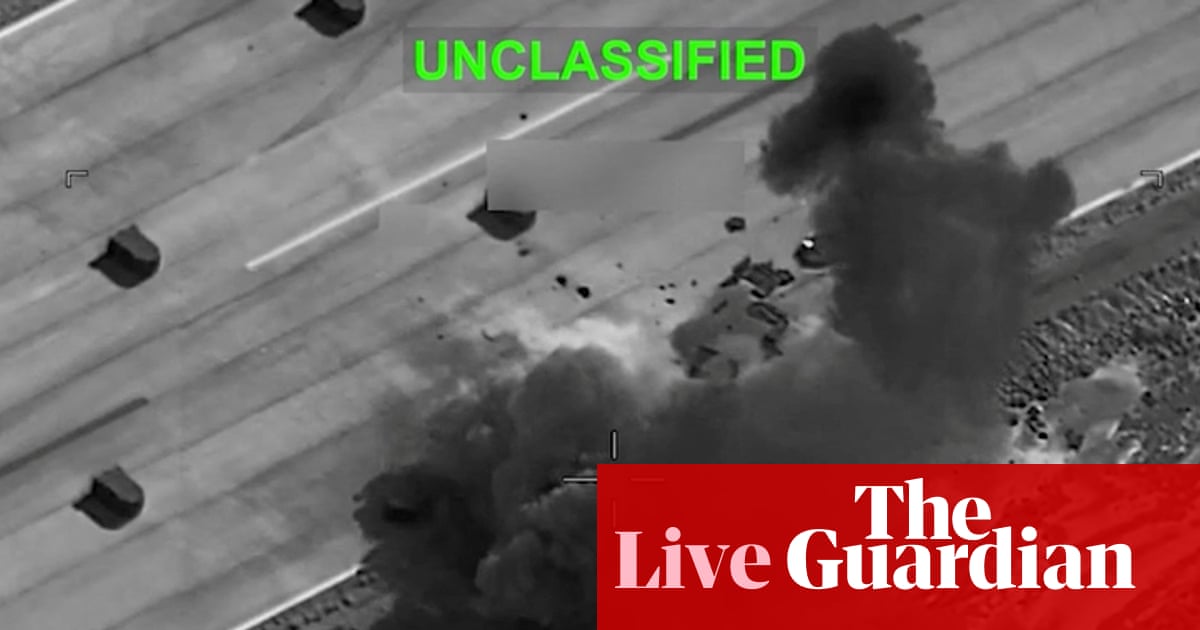
Rising tensions in the Middle East have escalated following reports of military strikes near the Bushehr nuclear facility in Iran. The incident follows a period of heightened regional instability, with international observers monitoring the impact on global energy markets and diplomatic relations. As of early this week, the Kuwaiti Ministry of Foreign Affairs has formally condemned the recent attacks, emphasizing that the security and sovereignty of the state remain a “red line” in its foreign policy, according to an official statement released by the ministry.
The situation remains fluid as regional powers assess the implications of the strikes. While reports from Iranian state media indicate that military activity occurred in the vicinity of the Bushehr nuclear power plant, international verification of the facility’s status is ongoing. The Kuwaiti government, in a statement nearly identical to one issued previously, reiterated its commitment to protecting its national security, stating that it “reserves its full rights to take all necessary measures to protect its security and preserve its sovereignty,” as reported by the Kuwaiti Ministry of Foreign Affairs.
Regional Security and Diplomatic Stance
The condemnation from Kuwait underscores the broader regional anxiety regarding the potential for expanded conflict. Kuwaiti officials have consistently signaled that the current cycle of cross-border strikes threatens the stability of the Gulf Cooperation Council (GCC) states. By identifying its sovereignty as a “red line,” the ministry is signaling to both regional and global stakeholders that further escalation will be met with defensive preparations. This diplomatic stance aligns with recent Reuters reporting on the heightened alert levels across Gulf states as they seek to insulate their infrastructure from the ongoing military exchanges.

The focus on the Bushehr facility adds a significant layer of concern. As the first civilian nuclear power plant in the Middle East, the site is subject to monitoring by the International Atomic Energy Agency (IAEA). Any military action near such infrastructure raises risks regarding both regional safety and the status of international nuclear non-proliferation agreements. According to current IAEA safeguards briefings, the integrity of nuclear facilities is a primary concern during periods of geopolitical conflict, as accidental or intentional damage could have catastrophic environmental and humanitarian consequences.
Market Response and Economic Implications
Global financial markets are reacting to the increased volatility in the Middle East, with energy prices serving as a primary indicator of investor sentiment. For commodity traders and economic policymakers, the primary risk involves potential disruptions to shipping lanes in the Strait of Hormuz, a critical artery for global oil and liquefied natural gas (LNG) transport. The uncertainty surrounding Iranian infrastructure security historically correlates with fluctuations in Brent Crude benchmarks, as analysts at institutions like the International Energy Agency have noted in recent market outlooks.
For investors and businesses operating in the region, the current environment demands a reassessment of risk management strategies. The combination of military action and diplomatic warnings creates a landscape where supply chain reliability is increasingly difficult to forecast. Economists typically look for “risk premiums” to be priced into energy contracts during such periods, reflecting the cost of potential supply interruptions. Monitoring official government bulletins from the region remains the most reliable way to track the situation as it develops.
Next Steps and Official Updates
The international community is awaiting further briefings from the United Nations Security Council regarding the recent escalation. Diplomatic efforts to de-escalate the situation are currently being led by regional intermediaries, though no formal truce has been established. Interested parties should continue to monitor official communications from the Kuwaiti Ministry of Foreign Affairs and the International Atomic Energy Agency for updates on the security status of nuclear sites and regional diplomatic developments.

We encourage our readers to stay informed through official government channels and verified international news services as this situation evolves. Please share your perspectives or insights in the comments section below.