
As the current administration continues its second term, the landscape of U.S. Policy and domestic governance remains a subject of intense scrutiny and debate. President Donald J. Trump, who assumed office on January 20, 2025, following his victory in the 2024 presidential election, is currently focused on a broad agenda that aims to build upon the initiatives of his first term, which concluded in 2021. The administration has positioned its current efforts as a continuation of a mandate to shift the trajectory of federal policy, emphasizing economic growth, border security, and a reevaluation of existing international agreements.
Central to these efforts is the administration’s push to implement changes that supporters argue will provide tangible quality of life improvements for the American people. According to the official White House administration profile, these goals include the pursuit of energy independence, the advancement of domestic economic potential, and a significant focus on national security. However, as the President navigates the complexities of the federal government, he faces a multifaceted political environment characterized by both legislative challenges and ongoing legal scrutiny.
The Evolving Legal and Political Landscape
The President’s second term has been marked by a complex interaction between executive action and the judicial system. A notable development currently capturing public attention is the emergence of a $1.8 billion fund, often described as an “anti-weaponization” fund, designed to support allies who claim to have been victims of government overreach. This initiative has become a focal point of intense political friction, drawing both support from the President’s base and sharp criticism from his political opponents.
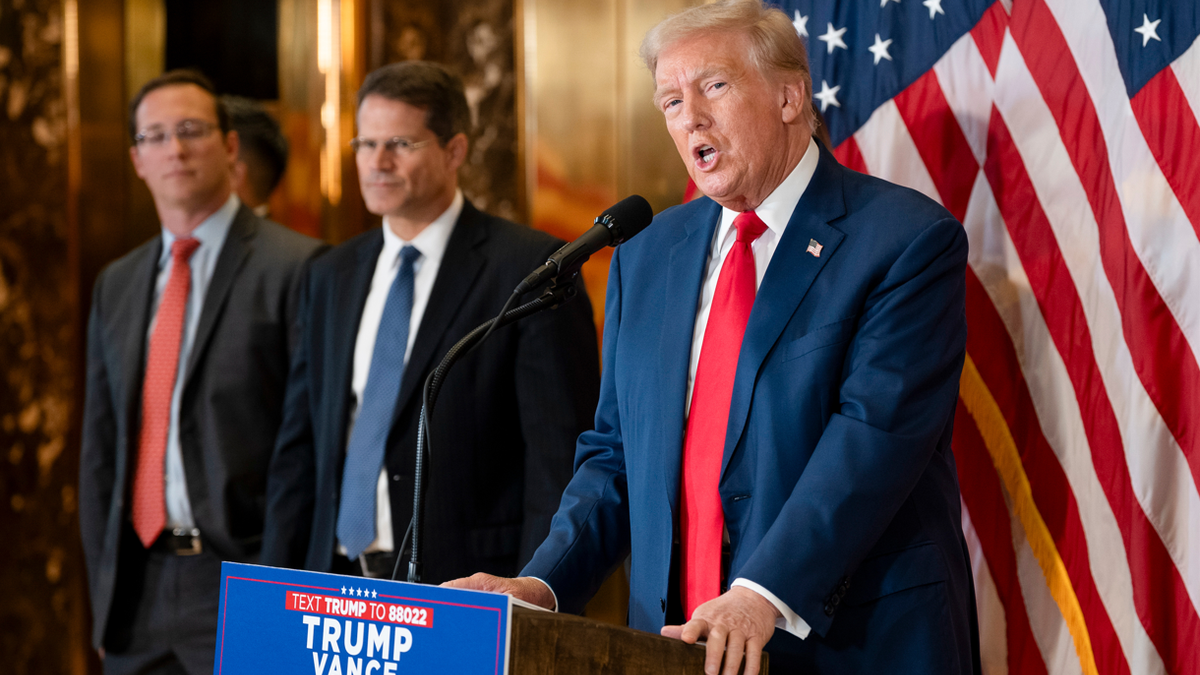
A coalition of critics, including former prosecutors, has initiated legal action to block the distribution of these funds. The core of their argument rests on the assertion that the fund represents an improper use of resources or an attempt to influence the judicial or investigative landscape. As reported by the Associated Press, the controversy surrounding this fund has sparked a broader conversation about the boundaries of executive power and the independence of legal institutions. This legal challenge is part of a larger, ongoing series of events that have defined the early months of the 2025-2029 presidential term.
Economic Policy and Institutional Appointments
Beyond the legal battles, the administration is actively reshaping federal institutions to align with its economic vision. A recent, high-profile example of this strategy was the swearing-in of a new Federal Reserve chair. This appointment is widely viewed as a signal of the President’s intent to exercise greater oversight and control over the nation’s independent central bank. The move comes as the administration seeks to address concerns regarding inflation, interest rates, and the broader health of the American economy.
The transition in leadership at the Federal Reserve is consistent with the President’s stated goal of “unleashing the potential of the American economy.” During his first term, the administration prioritized tax cuts, deregulation, and the replacement of the North American Free Trade Agreement (NAFTA) with the United States-Mexico-Canada Agreement (USMCA). Observers note that the current administration appears to be employing similar strategies, seeking to leverage executive authority to achieve structural changes in the regulatory and financial sectors. This approach has, at times, led to friction within the legislative branch, where even members of the President’s own party have occasionally demonstrated rare instances of defiance regarding his policy demands.
Looking Ahead: Governance and Accountability
As the administration approaches the midpoint of its first year in this second term, the focus remains on balancing ambitious policy goals with the realities of a divided political climate. The administration’s platform, as outlined in its official communications, highlights a commitment to ending what it terms “endless wars” and reforming the federal judiciary, following the confirmation of over 250 federal judges and three Supreme Court justices during the President’s first term.

For those tracking these developments, the next few months will be critical. The outcome of the litigation surrounding the $1.8 billion fund, along with the impact of new leadership appointments at key federal agencies, will likely serve as indicators of the administration’s effectiveness in implementing its agenda. Ongoing discussions regarding international strategy—specifically the President’s approach to nations like Cuba and Venezuela—suggest that foreign policy will remain as contentious as domestic reform.
We invite our readers to share their perspectives on these ongoing developments in the comments section below. As the situation remains fluid, our team at World Today Journal will continue to monitor official filings, court dockets, and White House briefings to provide updates as they occur. For those interested in the formal records of these actions, the official White House portal provides the most direct access to statements and executive orders issued by the President.
- Moving from Atlanta to Chicago After Graduation: Advice & Insights
- Singapore’s “Supported Autonomy” Roadmap: What It Means for the Future
- Trump Legal Team Defends Accountability Efforts Amid Ongoing Proceedings (world-today-news.com)
- Federal Reserve Chair Kevin Warsh Resists Trump Rate Cuts Amid Inflation (archyworldys.com)