
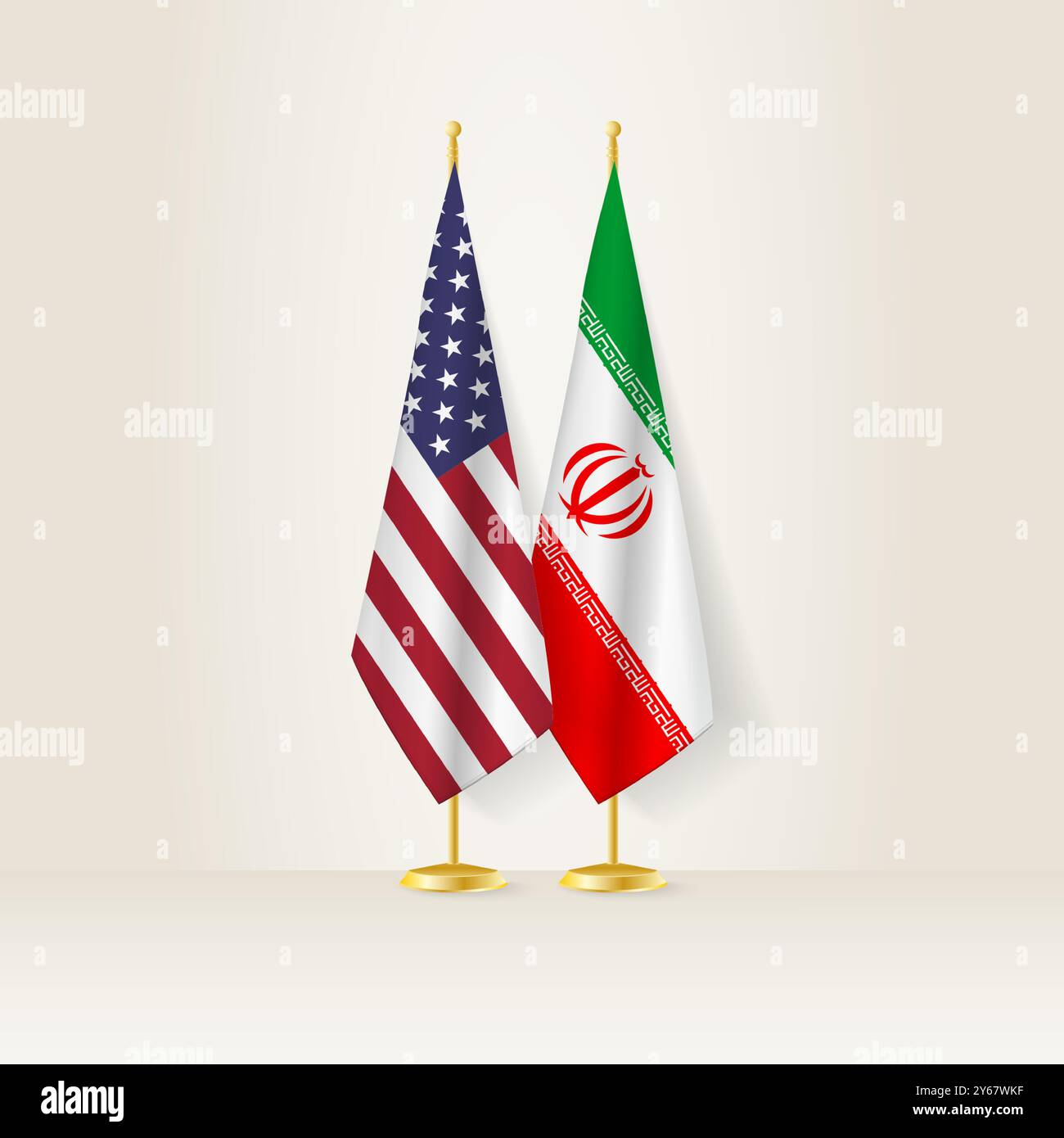
The potential for renewed diplomatic engagement between the United States and Iran is driving a significant re-evaluation of global energy security and oil price forecasts. As reports emerge regarding a new framework for peace involving multiple memorandums of understanding (MOUs), market analysts are adjusting projections for Brent crude oil, reflecting the complex interplay between Middle Eastern stability and shifting global consumer demand.
While the specific details of a reported 14-MOU peace framework have not yet been officially confirmed by the U.S. State Department or Iranian government channels, the prospect of a 60-day negotiation window has introduced new variables into the geopolitical landscape. This period of potential de-escalation coincides with a downward revision of oil prices by major financial institutions, signaling that markets are balancing the “peace dividend” against broader economic headwinds.
Goldman Sachs Lowers Brent Crude Forecast Amid Economic Uncertainty
Financial markets are reacting to a shift in both geopolitical risk and macroeconomic indicators. Goldman Sachs has adjusted its forecast for Brent crude oil, lowering the target from $90 per barrel to $80 per barrel. According to analysts at the firm, this downward revision is driven by a combination of weakening consumer spending and a potential reduction in the geopolitical risk premium that has previously kept prices elevated.
The reduction in the oil forecast highlights a dual-sided pressure on energy markets. On one hand, the possibility of a diplomatic resolution between Washington and Tehran suggests a decrease in the likelihood of sudden supply disruptions in the Middle East. On the other hand, cooling economic activity in major consuming nations is dampening the long-term demand outlook. This adjustment reflects a broader trend where the “geopolitical premium”—the extra cost added to oil due to the threat of conflict—is being weighed against the reality of a slowing global economy.
The Strategic Significance of the Strait of Hormuz
Central to any US-Iran negotiation is the security of the Strait of Hormuz, a critical maritime chokepoint through which approximately one-fifth of the world’s total oil consumption passes daily. Despite reports of high-level diplomatic movement, maritime security remains a primary concern for international shipping and energy stability.
The volatility in the Strait of Hormuz is not merely a regional issue but a global economic one. Any disruption to the flow of tankers through this narrow waterway can trigger immediate spikes in global energy prices. Observers note that even as diplomatic frameworks are discussed, the physical presence of naval assets and the movement of commercial vessels remain subject to heightened scrutiny. The challenge for negotiators lies in establishing a verifiable mechanism to ensure freedom of navigation that satisfies both Iranian sovereignty concerns and the international community’s need for uninterrupted energy transit.
Geopolitical Realignment: The Role of China and Russia
The current diplomatic landscape is being shaped by the evolving roles of China and Russia, both of which have maintained a stance of relative neutrality regarding the recent tensions between the United States and Iran. This neutrality has been noted by observers as a significant factor in the weight of current negotiations.
The involvement of these global powers complicates traditional Western-led diplomatic efforts. China, as one of Iran’s largest energy customers, holds significant economic leverage that can influence Tehran’s willingness to compromise. Similarly, Russia’s strategic interests in the Middle East provide an alternative geopolitical pole that prevents any single power from dominating the regional security architecture.
Reports suggest that the administration’s approach involves acknowledging the strategic positions of Beijing and Moscow while simultaneously expressing frustration with traditional Western allies. The tension arises from the perceived gap between the diplomatic neutrality of global powers and the military responsibilities of regional allies, particularly regarding the active protection of maritime corridors like the Strait of Hormuz.
Analyzing the Proposed 60-Day Negotiation Framework
If the reported framework of memorandums of understanding (MOUs) moves toward formal implementation, the next 60 days will serve as a critical testing period for US-Iran relations. Such a window would likely focus on several key pillars of de-escalation, including maritime security protocols, sanctions relief mechanisms, and nuclear monitoring.
The use of MOUs rather than a single, comprehensive treaty suggests a modular approach to diplomacy. This “step-by-step” method allows both parties to build trust through smaller, verifiable agreements before tackling more contentious issues. However, the success of this approach depends on transparency and the ability of both sides to fulfill immediate commitments, particularly regarding the cessation of hostile maritime activities.
Comparison of Market Perspectives
| Factor | Bullish Scenario (Price Rise) | Bearish Scenario (Price Drop) |
|---|---|---|
| Geopolitical Risk | Escalation in the Strait of Hormuz | Successful US-Iran diplomatic breakthrough |
| Global Demand | Recovery in consumer spending | Sustained economic slowdown (Goldman Sachs view) |
| Supply Stability | Disruption of Iranian oil exports | Increased market predictability via MOUs |
What Happens Next?
The immediate focus for diplomats and market participants will be the formal verification of any signed agreements and the commencement of the scheduled 60-day negotiation period. Key milestones to watch include:

- Official State Department briefings: Confirmation of the specific terms within the reported MOUs.
- Maritime activity reports: Monitoring of tanker movements and naval presence in the Strait of Hormuz.
- Energy sector updates: Further adjustments to oil price forecasts from major institutions like Goldman Sachs as diplomatic progress is assessed.
As the international community awaits official confirmation, the stability of global energy markets remains tethered to the success of these nascent diplomatic efforts. Whether this period leads to a lasting peace or a temporary pause in hostilities will have profound implications for global geopolitics and the world economy.
What are your thoughts on the impact of these negotiations on global energy security? Share your analysis in the comments below and share this article with your network.
Keep reading