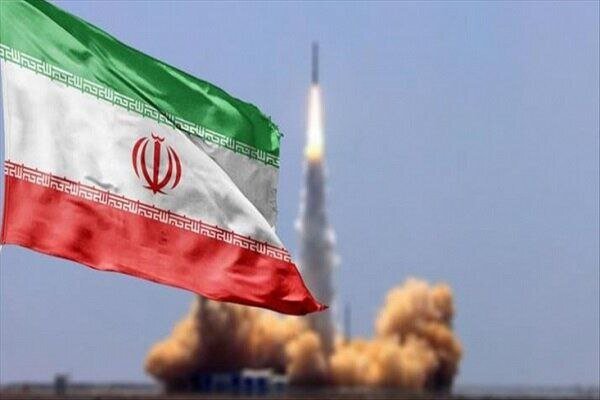
U.S. Death Toll Reaches 17 as Conflict with Iran Enters Second Week
The United States military launched a ninth consecutive night of airstrikes against Iranian targets early Monday, as the total number of American service members killed since the conflict began in February reached 17. The escalation follows a deadly attack on an air base in Jordan that has further strained regional stability and disrupted global energy markets.
U.S. Central Command confirmed that American forces are conducting strikes to degrade Iran’s ability to target commercial shipping in the Strait of Hormuz and to retaliate for the recent deaths of U.S. personnel. According to officials, the latest military actions have targeted Iranian command centers, air defense and coastal surveillance sites, maritime capabilities, missile and drone launch sites, and communications networks.
Casualties and Military Developments
The death toll rose over the weekend following two distinct incidents. Two U.S. service members were killed and several were wounded during an Iranian attack on an air base in Jordan on July 17. Following that engagement, U.S. forces reported that one service member remained missing, and unidentified remains
were subsequently discovered Sunday near the site of the attack.
Additionally, the U.S. military reported that a third service member was killed in Iraq on Saturday during a controlled detonation
of unexploded ordnance from a downed Iranian drone. These fatalities bring the total number of American service members killed since the start of the conflict to 17.
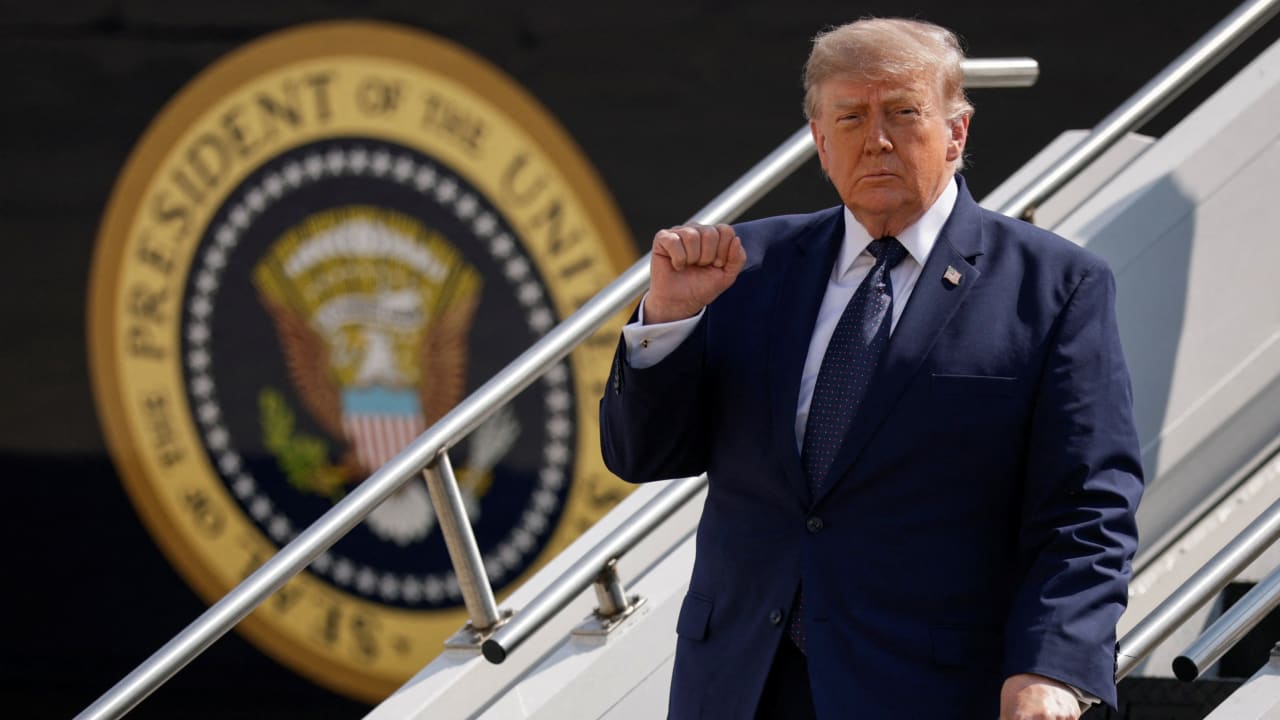
President Donald Trump addressed the recent losses, stating to the New York Post that the soldiers died because they opposed Iran obtaining a nuclear weapon. Regarding the collapse of last month’s interim peace agreement, Trump reportedly remarked, I couldn’t care less.
Regional Escalation and Infrastructure Targets
The conflict has increasingly expanded to include civilian and military infrastructure across the Middle East. Iran has fired missiles toward Jordan, prompting concerns from Israeli officials that the fighting could spill over into Israeli territory. In response, Israel’s military noted that interceptors were launched to prevent debris from falling into the city of Eilat after missiles were fired toward the Jordanian port of Aqaba.
The U.S. military’s campaign has also targeted sites within Iran, including bridges, electrical facilities, and a construction site for a planned nuclear power plant in the southwest. Iran’s atomic energy agency claimed the site was hit, though the International Atomic Energy Agency noted that the facility was in the early stages of construction and contained no nuclear material during its last visit.
Meanwhile, U.S.-allied nations continue to face pressure:
For more on this story, see Oil Prices Volatile After Trump’s Iran Threat: Market Reactions & Geopolitical Impact.
- Bahrain: The U.S. Embassy issued a warning regarding potential threats in central Manama.
- Strait of Hormuz: Shipping traffic has largely stalled, and a ship caught fire near the coast of Oman on Monday.
Global Energy and Logistical Stakes
The persistent conflict has had an immediate impact on global markets, with benchmark Brent crude prices rising above $90 a barrel on Monday. U.S. Logistical operations for U.S. forces have also faced challenges. Reports indicate that the military is concerned about a dwindling stockpile of munitions, leading to debates in Congress over additional funding. Furthermore, key support hubs, such as the Ali al-Salem airbase and Camp al-Adiri, have been identified as targets in the broader exchange of fire, potentially impacting the ability of the U.S. to maintain its current logistical operations in the region. As the ninth night of airstrikes concludes, there has been no immediate confirmation from Iranian state media regarding the extent of damage or casualties resulting from the U.S. military’s latest operations, though explosions were reported in southern and northwestern Iran.

Worth a look