
U.S. President Donald Trump has intensified his criticism of Australia, claiming the nation failed to provide necessary support during the ongoing war in Iran. The remarks, delivered during a press conference at the White House briefing room on Tuesday morning (Australian time), mark a deepening strain in the diplomatic rhetoric between the two allies.
The president expressed frustration not only with Australia but also with NATO, South Korea, and Japan, suggesting a broader dissatisfaction with the level of international assistance provided to the United States in its military efforts. This latest outburst follows a period of increasingly erratic language regarding the conflict, with Trump alternating between claims of total victory and demands for more foreign aid.
The tension comes at a critical juncture in the conflict. President Trump has issued a strict deadline for Iran to meet specific conditions, stating that the country has until 8 p.m. Tuesday US time (10 a.m. Wednesday AEST) to comply or face “devastating fresh air strikes” across the nation. He warned that the scale of these potential strikes would be so severe that it would take Iran “100 years to rebuild” according to ABC News.
A Pattern of Shifting Rhetoric
Analysts suggest that the president’s approach to the Iran war has been characterized by contradictory messaging. Since early March, Trump has made more than 30 declarations that vary wildly in tone and substance. He has claimed the U.S. Has “won the war” and “defeated Iran,” although simultaneously asserting that the U.S. Is about to win or that it urgently needs the help of other countries per reports from ABC News.
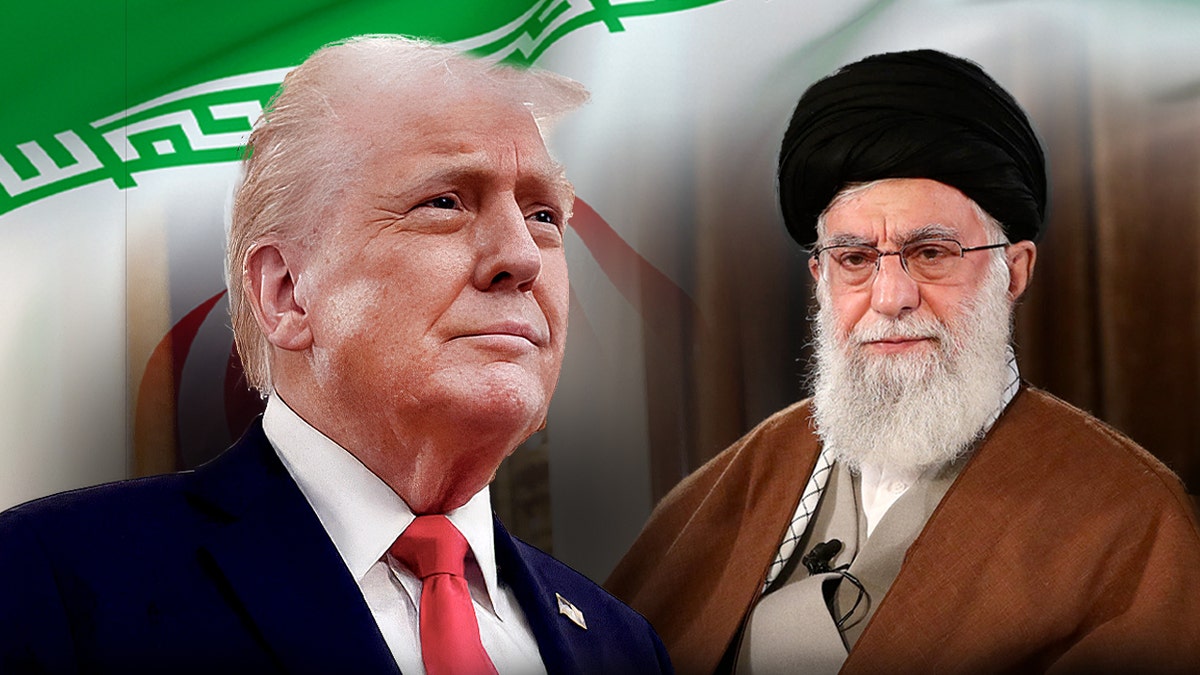
This volatility extended into the Easter weekend. On Easter Sunday, the president threatened that Iran would be “living in hell,” using violent profanities that reportedly shocked U.S. Politicians across the political spectrum. The following day, he repeated these threats in a presentation that included the Easter Bunny, leading some observers to describe his behavior as “unhinged.”
The disparity in his messaging—claiming to have obliterated the “evil” regime while also stating that the U.S. Is currently talking to Iran—has led to concerns regarding the credibility of the U.S. Presidency on the global stage. This erratic communication style is viewed by some as a factor that is rapidly thinning the president’s international standing.
The Diplomatic Fallout with Allies
The specific targeting of Australia in his remarks highlights a growing friction regarding the expectations of security partnerships. Trump’s frustration stems from the perception that key allies are not contributing sufficiently to the war effort. By publicly calling out Australia, Japan, South Korea, and NATO, the president is signaling a shift toward a more transactional view of international alliances.
The U.S. Administration has attempted to move toward a resolution through a 15-point plan to end the war, which was first proposed on March 25. However, this plan was rejected by Iran, leaving the U.S. To rely on a combination of diplomatic threats and the promise of overwhelming military force to achieve its objectives as detailed by ABC News.
Key Timeline of Recent Events
| Date | Event/Statement |
|---|---|
| March 25 | U.S. Proposes a 15-point plan to end the war; Iran rejects the proposal. |
| Early March – April | President Trump makes 30+ conflicting declarations regarding victory and the need for aid. |
| Easter Sunday | Trump threatens Iran with “living in hell” using violent profanities. |
| Tuesday, April 7 | Trump criticizes Australia and other allies for lack of help; sets 8 p.m. US time deadline. |
What So for Global Security
The current situation creates a high-stakes environment for the region. The threat of air strikes that could take a century to recover from suggests a shift toward total war if the Tuesday deadline is not met. For Australia and other allies, the public criticism from the White House may necessitate a re-evaluation of their strategic contributions and their relationship with the U.S. Executive branch.
The impact of these statements is felt most acutely in the perceived stability of U.S. Foreign policy. When a president’s word is viewed as having varying weight—ranging from a definitive declaration of victory to a desperate plea for help—it complicates the ability of allied nations to coordinate a unified response to the crisis in Iran.
The immediate focus now remains on the 8 p.m. Tuesday US time deadline. Whether Iran meets the conditions set by the Trump administration or the U.S. Proceeds with the threatened air strikes will determine the trajectory of the conflict and the future of the U.S.-Australia alliance.
The next confirmed checkpoint is the expiration of the deadline at 8 p.m. Tuesday US time (10 a.m. Wednesday AEST), at which point the U.S. Administration will decide whether to launch new air strikes.
We invite our readers to share their perspectives on these diplomatic developments in the comments section below.
Keep reading