
Sofia, Bulgaria — May 19, 2026
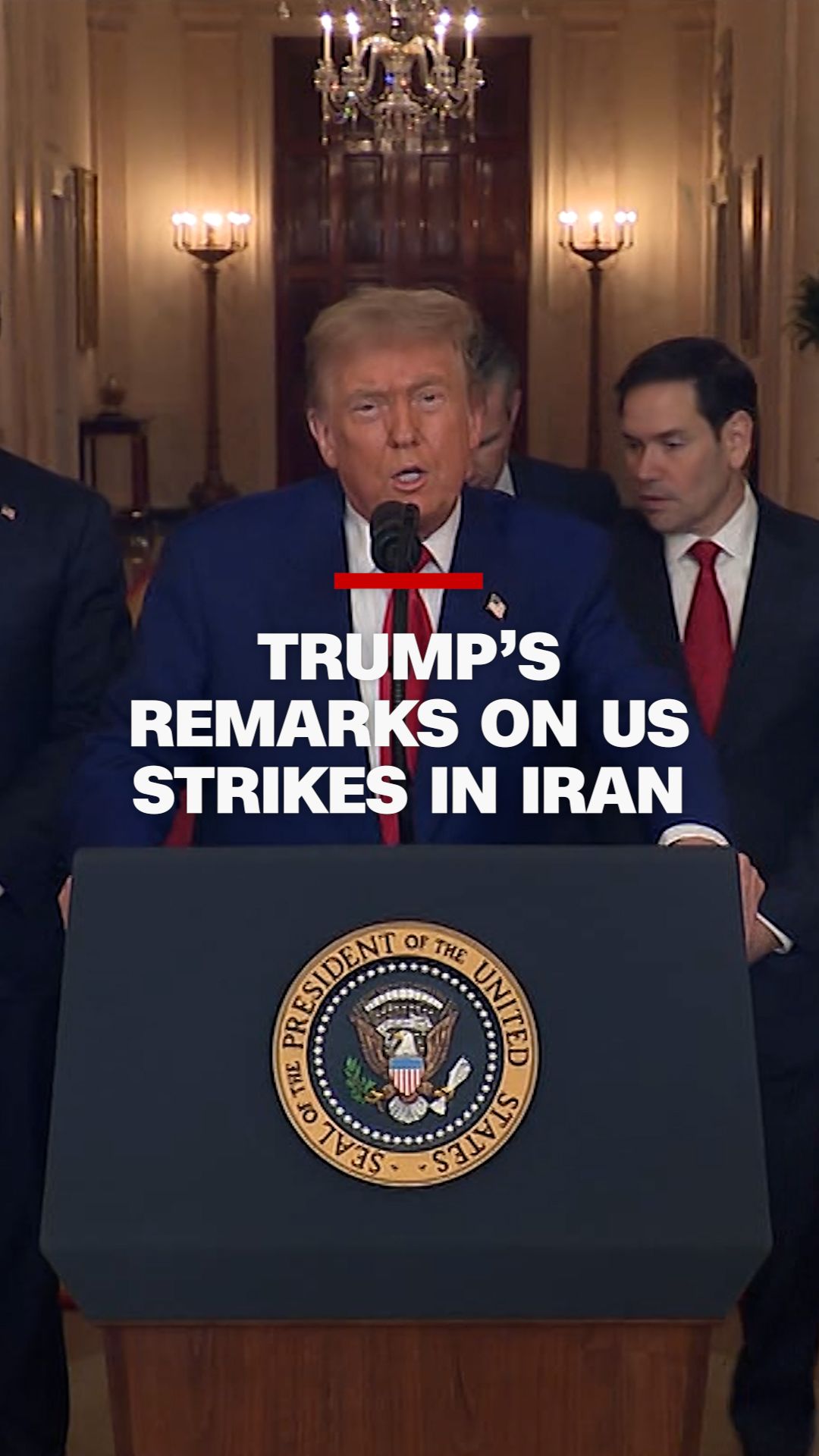
US President Donald Trump has announced a temporary suspension of planned military operations against Iran, marking a dramatic shift in the escalating regional conflict. In a statement released today, Trump described the decision as part of “very positive developments” in ongoing diplomatic efforts to de-escalate tensions between Washington and Tehran. The move comes amid heightened concerns about a potential wider confrontation in the Middle East, with Gulf Arab states reportedly urging restraint.
The announcement follows weeks of heightened tensions, including Iranian threats against US allies and reports of military preparations on both sides. While details of the diplomatic breakthrough remain scarce, Trump’s statement suggests that key mediators—including Gulf Arab leadership—have played a crucial role in securing the pause. The White House has not yet provided specific terms of the agreement or confirmed whether it includes reciprocal Iranian concessions.
Iranian officials have not yet responded publicly to Trump’s announcement, though state media outlets have previously warned of the country’s “unprecedented readiness” to respond to any US aggression. The suspension of military action comes as negotiations for a broader ceasefire remain stalled, with both sides accused of undermining trust through recent actions.
Context: A Fragile Pause in the Escalation
Trump’s decision to suspend military operations follows a period of intense diplomatic activity. In recent days, Gulf Arab states—particularly Saudi Arabia and the United Arab Emirates—have reportedly intensified behind-the-scenes efforts to mediate between Washington and Tehran. These countries, which have faced direct Iranian threats in recent weeks, have expressed growing concern about the potential for a wider regional conflict that could destabilize global energy markets and trigger a refugee crisis.

According to diplomatic sources cited by multiple news agencies, the US administration had been preparing for a limited military strike against Iranian-backed proxy forces in the region, including targets in Syria and Iraq. However, the intervention of Gulf mediators appears to have prompted a reassessment of the timing and scope of any such operation. The two-week suspension announced by Trump suggests that both sides are now engaged in a high-stakes game of brinkmanship, with each testing the other’s resolve while seeking to avoid direct confrontation.
Analysts warn that the current pause remains fragile. “This represents not a peace deal—it’s a temporary cessation of hostilities while both sides try to calculate their next move,” said Dr. Fatima El-Sayed, a Middle East expert at the University of Cairo. “The real question is whether this buys enough time for serious negotiations to begin, or if it simply delays the inevitable.”
Who Stands to Gain—or Lose?
The suspension of military action has been met with cautious optimism in some quarters, particularly among countries that have been directly targeted by Iranian-backed militias. Israel, which has faced repeated rocket attacks and drone strikes in recent months, has not yet commented on Trump’s announcement, but officials in Jerusalem have reportedly welcomed the development as a potential opportunity to reduce tensions along its northern border.

However, hardline factions within both the US and Iranian governments have already begun to criticize the move. In the US, some Republican lawmakers have accused the Trump administration of conceding ground to Iran without securing meaningful concessions in return. Meanwhile, Iranian Supreme Leader Ayatollah Ali Khamenei’s office has not issued any public statement, though hardline media outlets have suggested that the suspension is a sign of Iranian strength rather than US weakness.
For ordinary citizens in the region, the announcement offers a rare moment of relief. In Baghdad, where Iranian-backed militias have carried out multiple attacks on US and coalition forces, residents described a palpable sense of uncertainty. “We were all on edge, waiting for the next strike,” said a shopkeeper in the Karrada district, who requested anonymity. “Now, we’re just hoping this pause lasts long enough for things to calm down.”
What Happens Next?
The next critical checkpoint will be the expiration of the two-week suspension period, during which both sides are expected to assess whether the diplomatic process has yielded any tangible results. Trump has indicated that the suspension is conditional on continued progress in negotiations, though he has not specified what form those concessions might take.
In the meantime, regional actors are closely monitoring developments. Saudi Arabia’s Crown Prince Mohammed bin Salman has reportedly held private discussions with US officials to explore potential confidence-building measures, while Russia—which maintains close ties with both Iran and the US—has signaled a willingness to facilitate further talks. China, too, has expressed interest in playing a mediating role, though its leverage in the region remains limited.
For now, the focus remains on whether the current pause can be transformed into a more durable diplomatic process. The stakes could not be higher: a miscalculation by either side could trigger a full-scale conflict with catastrophic consequences for the entire region.
Key Takeaways
- Temporary Pause: Trump has suspended planned US military strikes against Iran for two weeks, citing “very positive developments” in negotiations.
- Gulf Mediation: Reports indicate that Saudi Arabia and the UAE played a key role in persuading the US to delay military action.
- Uncertain Future: While the move offers a brief respite, analysts warn that the underlying tensions remain unresolved.
- Regional Impact: Countries like Israel and Iraq face both risks and potential opportunities from the developing situation.
- Next Steps: The two-week window will be critical in determining whether negotiations can proceed or if tensions escalate further.
As the situation evolves, World Today Journal will continue to provide updates on this developing story. We encourage readers to share their perspectives and questions in the comments below, and to follow our coverage for further developments.
