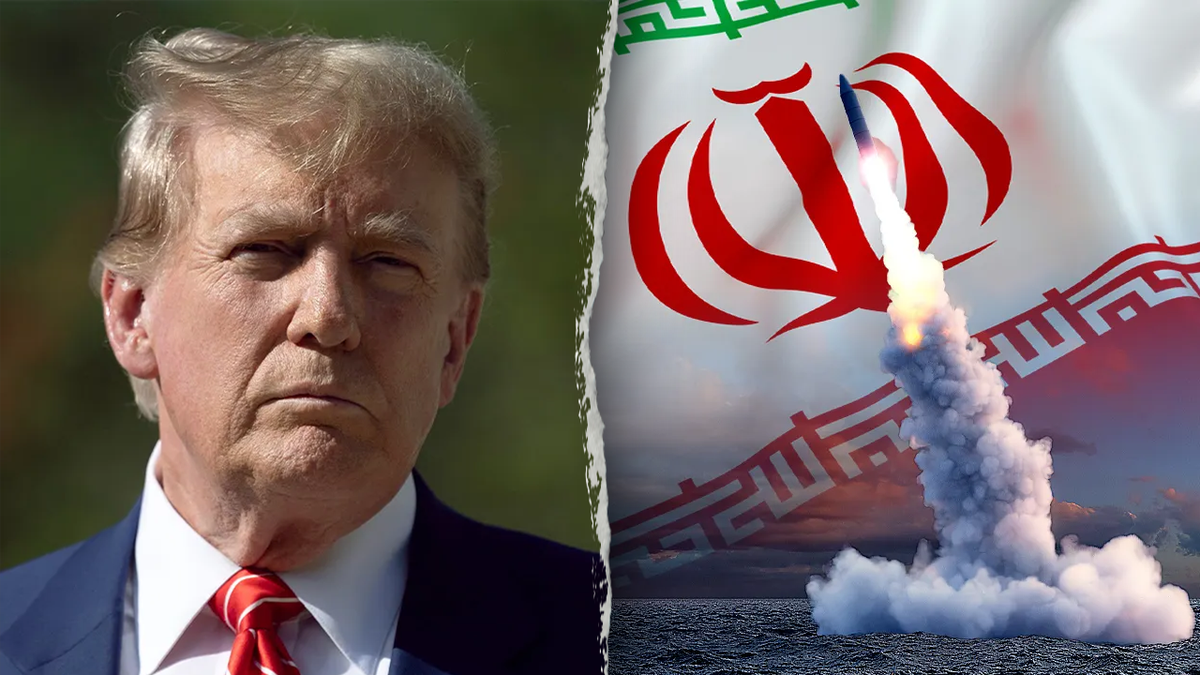
The geopolitical landscape of the Middle East has shifted violently over the last 72 hours, as President Donald Trump transitioned from threats of total annihilation to the brokering of a fragile diplomatic truce. Central to this new strategy is a dual-track approach of extreme economic pressure and tentative diplomacy, aimed at neutralizing Iran’s regional influence and securing critical global trade arteries.
While the administration has secured a tentative ceasefire, reports from Reuters and CNBC indicate that the U.S. Is expanding its pressure campaign. President Trump has reportedly threatened 50% tariffs on countries supplying military weapons to Iran, signaling that the U.S. Intends to use its economic hegemony to isolate Tehran’s defense supply chains even as diplomatic talks proceed.
This move comes on the heels of a high-stakes standoff that nearly escalated into a full-scale regional war. The tension peaked early Tuesday when President Trump issued a deadline for Iran to meet specific U.S. Demands or face the “wide-scale destruction” of its civilian and military infrastructure. The sudden pivot to a ceasefire suggests a calculated use of “maximum pressure” to force immediate concessions.
The Two-Week Ceasefire and the Strait of Hormuz
On Tuesday, the United States and Iran reached a ceasefire agreement that suspended the immediate threat of U.S. And Israeli bombing campaigns. According to NPR, the deal is set for a duration of two weeks and took effect immediately after Iran ceded to demands to reopen the Strait of Hormuz for safe passage.
The negotiations, which were facilitated by Pakistan, represent a dramatic reversal from the rhetoric used by the White House just hours prior. President Trump had pledged that if a deal to open the strait was not reached by 8 p.m. ET on Tuesday, a “whole civilization will die tonight, never to be brought back again,” as reported by NPR.
In announcing the agreement via his social media platform, the president described the arrangement as a “double sided CEASEFIRE,” claiming that the U.S. Had already “met and exceeded all Military objectives.” Trump further noted that Iran has proposed a “workable” 10-point peace plan that addresses previous points of contention, which the administration believes can be finalized during the two-week window.
Economic Warfare: The 50% Tariff Threat
The reported threat of 50% tariffs on nations supplying weapons to Iran marks a significant escalation in the administration’s use of trade policy as a tool of national security. By targeting the third-party suppliers of Iranian military hardware, the U.S. Aims to create a financial deterrent that outweighs the benefits of arms trade with Tehran.
This strategy mirrors the administration’s broader approach to the Iran conflict: combining the threat of overwhelming military force with severe economic penalties. The tariffs are designed to starve the Islamic Republic of the technical and material resources required to maintain its military infrastructure, potentially forcing Iran to accept more stringent terms in the long-term peace agreement currently under negotiation.
A Fragile Peace: Uranium and Violations
Despite the official announcement of a truce, the stability of the ceasefire is already being questioned. Reports from AP News indicate that Tehran has already accused the Trump administration of major violations, placing the tentative deal in jeopardy.
Several critical points of friction remain unresolved:
- Uranium Enrichment: Iran continues to insist on its right to enrich uranium, a primary point of contention for the U.S. And Israel.
- Strait Control: While the strait has been reopened, Iranian leadership has indicated it may continue to control and charge ships passing through the waterway.
- Military Presence: The suspension of bombing is subject to Iran’s continued commitment to safe passage, leaving the U.S. And Israel in a state of high alert.
The internal dynamics of the U.S. Administration also reflect the volatility of the situation. White House press secretary Karoline Leavitt has defended the president’s rhetoric, describing the threat that a “whole civilization will die” as a “very strong threat” that ultimately delivered the desired results, according to AP News.
Strategic Implications for the Middle East
The current crisis has disrupted global energy markets and forced a realignment of regional alliances. The involvement of Pakistan as a facilitator highlights a shift in diplomatic channels, while the coordinated military actions between the U.S. And Israel in Tehran—which left buildings destroyed as recently as Monday, April 7, 2026—underscore the scale of the conflict.
For the global community, the primary concern remains whether the 10-point peace plan can be translated into a durable agreement. If the two-week window expires without a definitive treaty, the region faces a return to the brink of total war, with the U.S. Potentially implementing the threatened 50% tariffs and resuming military operations.
| Feature | Detail | Status |
|---|---|---|
| Duration | 2 Weeks | Active |
| Primary Condition | Reopening of the Strait of Hormuz | Met/Ongoing |
| U.S./Israel Action | Suspension of bombing campaigns | Active |
| Diplomatic Goal | Finalize 10-point peace plan | Under Negotiation |
| Economic Pressure | Proposed 50% tariffs on weapon suppliers | Reported/Pending |
The next critical checkpoint will be the expiration of the two-week ceasefire period, at which point the administration will determine if Iran’s 10-point proposal is sufficient for a long-term peace agreement or if the threatened “annihilation” and economic penalties will be fully realized.
World Today Journal will continue to monitor the situation in the Strait of Hormuz and the progress of the diplomatic talks. We invite our readers to share their perspectives on the use of tariffs as a diplomatic tool in the comments below.
Related reading
- Why the Ultra-Wealthy Are Spending Fortunes on Elite Data-Removal Services
- Abelardo De La Espriella’s Urban Security Plan Backed by Mayors at Colombia Summit
- Trump’s Former Lawyer Clears Key Hurdle for Attorney General Role (world-today-news.com)
- Phoenix Species Project to Fund Global Wildlife Recovery in 30 Countries (newsdirectory3.com)