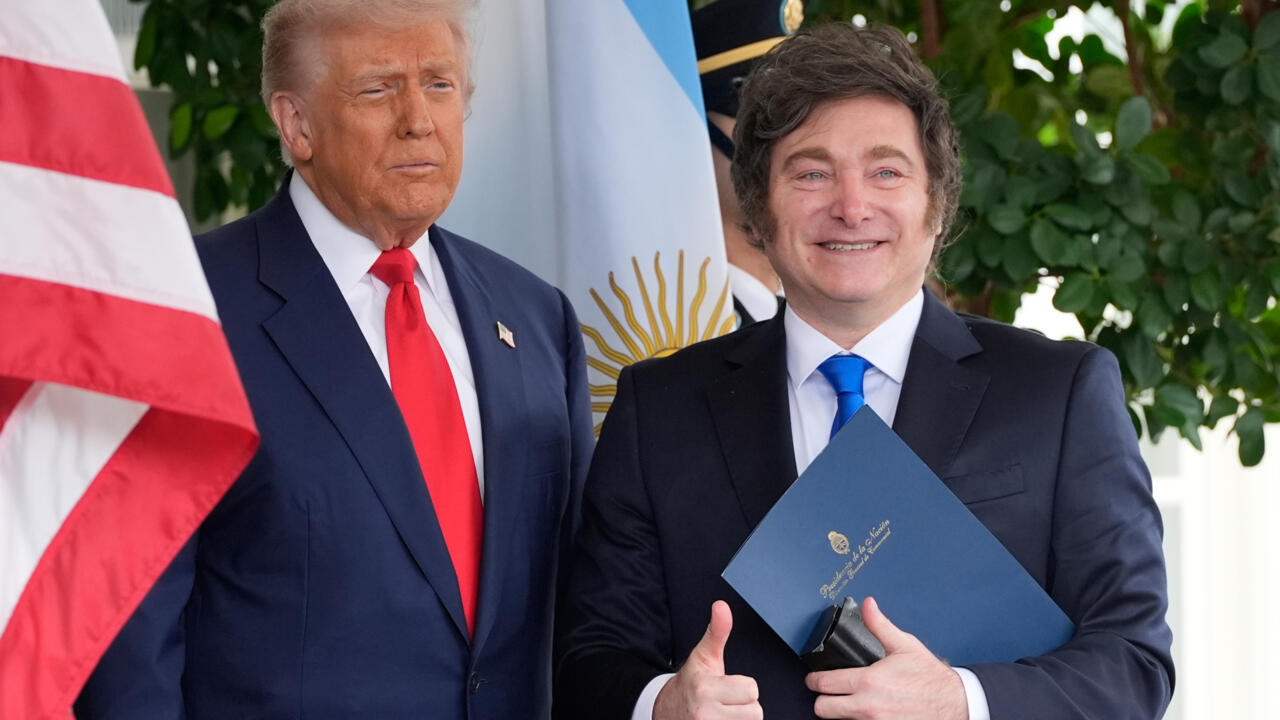
Trump Backs Milei with $20 Billion Lifeline: A Deep Dive into argentina’s Economic Gamble
Argentina is walking a tightrope. Facing a looming financial crisis and rising domestic disapproval, President Javier Milei has turned to an unlikely ally: former U.S. President Donald Trump. This alliance isn’t just political; it’s backed by a considerable $20 billion economic package, raising questions about its implications for both nations and the future of Argentina’s economic stability. Let’s break down what’s happening, why it matters, and what you need to know.
The Stakes are High: Argentina’s Economic Predicament
Argentina’s economy is in a precarious state. years of economic mismanagement, high inflation, and mounting debt have left the country struggling with “acute illiquidity,” as described by U.S.Treasury official Scott Bessent. Recent weeks have seen over a billion dollars spent simply defending the peso, a strategy widely considered unsustainable.
this isn’t a new situation. Argentina has a history of financial crises, and Milei, who came to power promising radical reforms, is attempting to steer the country away from collapse. Though, his “shock therapy” approach – including drastic austerity measures – has proven unpopular, and his approval ratings are slipping.
Trump’s Endorsement and the $20 Billion Bailout
Enter Donald Trump. He’s publicly and enthusiastically endorsed Milei, framing him as an ideological ally and even coining the slogan “Make argentina Great Again.” This support is coupled with a promise of $20 billion in economic aid, a significant intervention designed to stabilize Argentina’s economy.
But this isn’t purely altruistic. Trump has articulated that the U.S. is “helping a great beliefs take over a great country,” suggesting a strategic alignment based on shared ideological principles. This raises questions about how the bailout aligns with Trump’s “America First” policy, a point he addressed by emphasizing the benefit of seeing “freedom” and a “strategic ally” succeed.
Key Elements of the U.S. Aid Package:
* $20 Billion in Financial Assistance: This provides Argentina with crucial access to U.S. dollars, aiming to bolster the peso and stabilize financial markets.
* Extraordinary Measures: The U.S. Treasury has signaled its willingness to take “whatever exceptional measures are warranted” to ensure market stability.
* Direct Intervention: This marks a rare instance of direct U.S. intervention in Latin American currency markets, highlighting the strategic importance Washington places on Milei’s success.
What’s at Play in the October 26th Midterms?
The upcoming midterm elections on October 26th are critical. The results will determine whether Milei can effectively implement his enterprising, and frequently enough controversial, cost-cutting reforms.
* Legislative Support: A stronger showing for Milei’s party will give him the legislative backing needed to push through his agenda.
* Potential Gridlock: If his party fails to gain significant ground,Milei could face a legislative brick wall for the remaining two years of his term,hindering his ability to enact meaningful change.
Beyond Economics: geopolitical Considerations
The U.S. support for Milei isn’t solely about economics.Argentina is a major lithium producer, a critical resource for the burgeoning electric vehicle industry. Prior to Milei’s election, argentina was strengthening ties with china.
this shift in focus - towards closer alignment with the U.S.and Israel, as Milei himself has stated – is likely a key factor in Washington’s willingness to provide substantial aid. The U.S. views Argentina as a perhaps valuable strategic ally in the region.
What Could Trump Want in Return?
Speculation is rife about what concessions Trump might seek from Milei in exchange for his support. While details remain unclear, potential areas of negotiation could include:
* Lithium Supply: Securing access to Argentina’s lithium reserves.
* Geopolitical Alignment: Further strengthening Argentina’s alignment with U.S. foreign policy objectives.
* trade Agreements: Negotiating favorable trade terms for U.S. businesses.
Looking Ahead: Uncertainty Remains
While the $20 billion bailout has provided a temporary reprieve, Argentina’s economic future remains uncertain
Worth a look