
In a sudden escalation of transatlantic trade tensions, U.S. President Donald Trump announced on Friday, May 1, 2026, that the United States will increase tariffs on cars and trucks imported from the European Union to 25%. The move, announced via a post on Truth Social, is set to take effect next week, threatening to disrupt global automotive supply chains and deepen a diplomatic rift between Washington and Brussels.
The decision follows accusations from the White House that the European Union has failed to adhere to a trade agreement negotiated between the two parties last summer at the President’s Turnberry golf course. According to reporting from Politico, the tariffs will rise from the current 15% to the new 25% rate in response to what the President described as the EU not complying with our fully agreed to Trade Deal
.
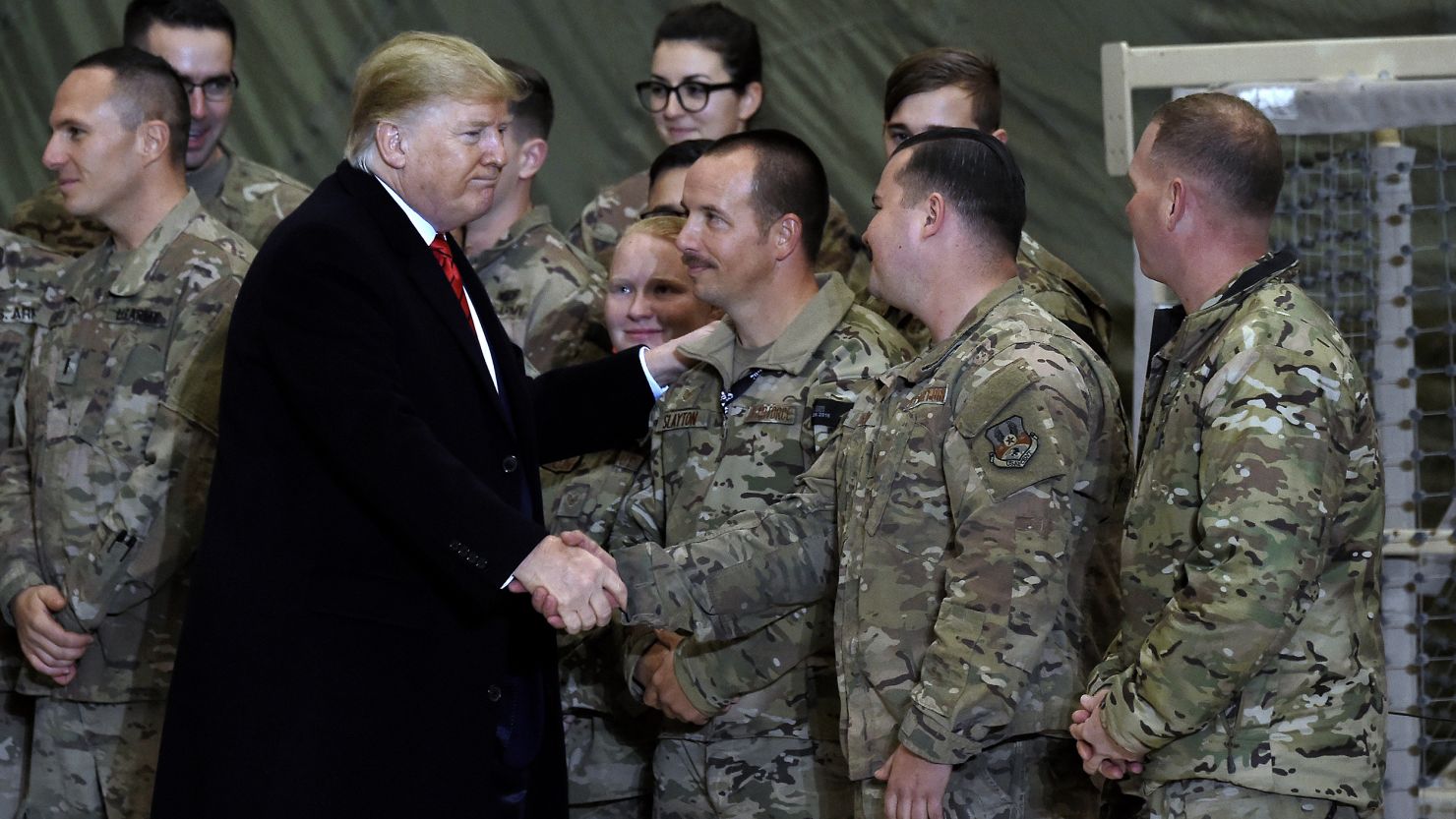
This economic pressure arrives alongside a volatile shift in U.S. Security policy in Europe. The administration has already announced the withdrawal of approximately 5,000 U.S. Troops from Germany, a move the Pentagon confirmed on Friday, May 1, 2026, as reported by NPR. President Trump indicated on April 30, 2026, that he is open to reducing military personnel in Italy and Spain, responding yeah, probably
when asked about potential drawdowns in those nations.
The Legal Mechanism and Economic Justification
The White House has indicated that the President intends to implement these changes under Section 232 of the Trade Expansion Act of 1961, which allows the U.S. President to impose tariffs based on national security concerns. This follows a period of legal instability for the administration’s trade policies, as the U.S. Supreme Court struck down certain reciprocal
tariffs earlier in 2026, as noted by CNBC.
President Trump has defended the hike as a necessary measure to incentivize European manufacturers to shift production to the United States. By increasing the cost of imports, the administration argues that the U.S. Will see a boost in domestic investment and job creation within the automotive sector. However, economists warn that such a sharp increase could lead to higher prices for American consumers and trigger retaliatory measures from the EU.
European Response and the Threat of a Trade War
The reaction from European leadership has been swift and critical. Bernd Lange, the head of the European Parliament’s trade committee, described the 25% tariff threat as unacceptable
and characterized the U.S. As an unreliable partner
, according to Bloomberg.
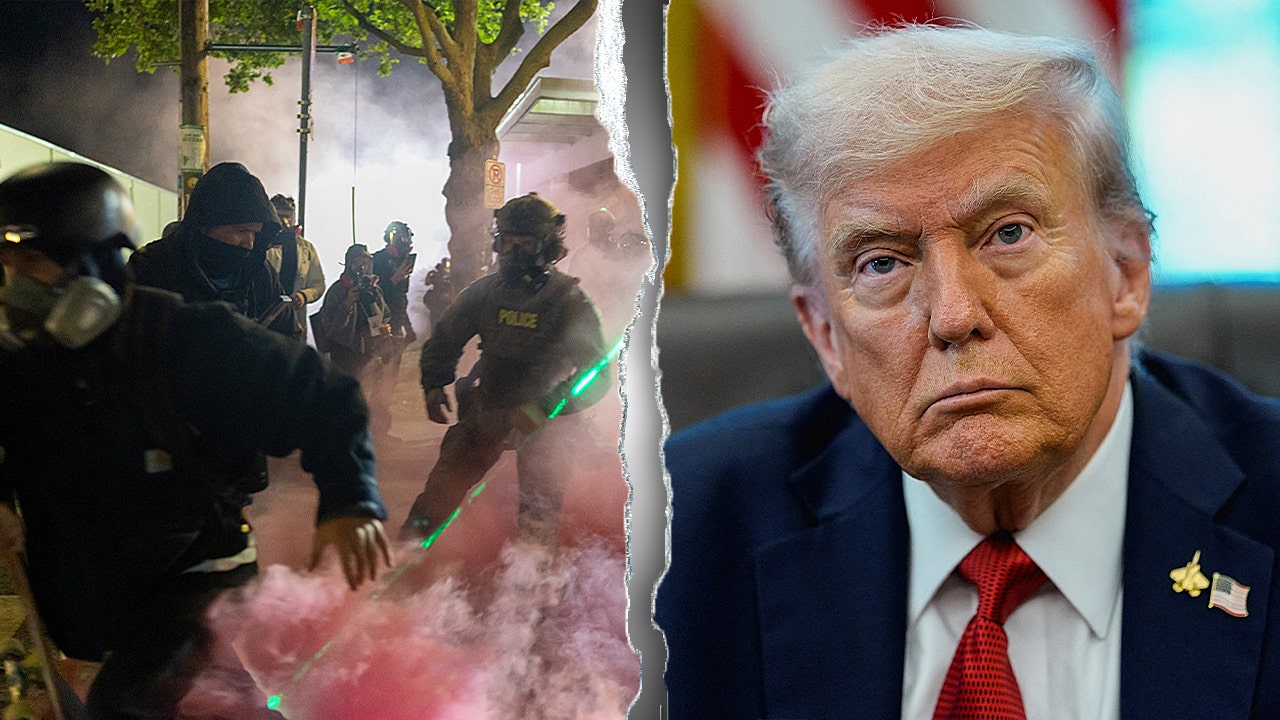
The European Commission has stated it will keep our options open
as it evaluates the impact of the announcement. While the EU maintains that it is implementing the terms of the previous trade deal, officials in Brussels are reportedly weighing the possibility of counter-tariffs on U.S. Goods. This strategy of tit-for-tat
escalation could broaden the conflict beyond the automotive industry, potentially affecting agricultural products, chemicals, and technology services.
Who Is Affected by the New Tariffs?
The primary stakeholders facing immediate impact include:
- European Automakers: Companies such as Volkswagen, BMW, and Mercedes-Benz, which rely heavily on the U.S. Market for luxury and commercial vehicle exports.
- U.S. Consumers: Potential price increases for imported European vehicles and parts as manufacturers pass the 25% cost onto buyers.
- Global Supply Chains: Logistics and parts suppliers who operate across the Atlantic and may face delays or cost spikes due to shifting trade routes.
- NATO Allies: Specifically Germany, Italy, and Spain, where economic tension is now coinciding with the reduction of U.S. Military footprints.
Geopolitical Context: The Iran Factor
The trade dispute is not occurring in a vacuum. Analysts suggest the tariffs and troop withdrawals are linked to a broader clash over U.S. Foreign policy, specifically regarding the ongoing conflict with Iran. The withdrawal of 5,000 troops from Germany follows public criticism from German Chancellor Friedrich Merz, who suggested the U.S. Had been humiliated
by Iran, according to reports from The Guardian.
The President has expressed frustration that certain European nations have refused to support U.S. Military operations in the Strait of Hormuz. By linking trade access and security guarantees to geopolitical cooperation, the administration is utilizing a “maximum pressure” strategy to force EU alignment with U.S. Objectives in the Middle East.
Key Takeaways of the Current Crisis
- Tariff Hike: EU cars and trucks will face a 25% tariff starting next week (up from 15%).
- Security Shift: 5,000 troops are being withdrawn from Germany; cuts in Italy and Spain are “probable.”
- Core Dispute: The U.S. Claims the EU breached a trade deal reached at Turnberry; the EU denies this.
- Trigger: Tensions are exacerbated by disagreements over the U.S. War with Iran and NATO contributions.
The global economy remains in a fragile state, and a full-scale trade war between the world’s two largest economic blocs could stifle growth and increase inflation. Market volatility is expected as investors wait to see if the EU will implement retaliatory tariffs or if a diplomatic breakthrough can be reached before the new levies take effect.
The next critical checkpoint will be the official implementation of the tariffs next week, following which the European Commission is expected to announce its formal response and whether it will file a challenge with the World Trade Organization (WTO).
We desire to hear from you. How will these tariffs affect your industry or your purchasing decisions? Share your thoughts in the comments below or share this article on social media to join the conversation.
Worth a look