
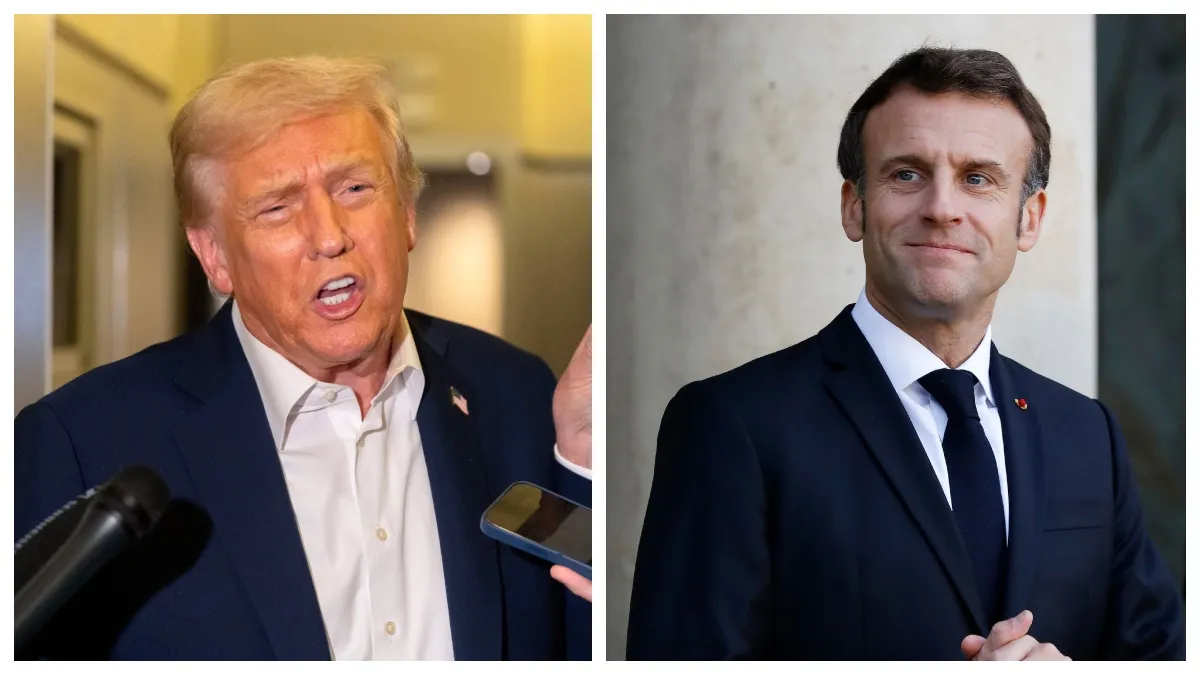
President-elect Donald Trump has signaled a potential shift in international trade policy by threatening to impose 100% tariffs on French wine, citing grievances over France’s digital services tax. The warning, which surfaced following earlier trade disputes between the two nations, highlights ongoing tensions regarding how sovereign states tax American technology companies operating within their borders. According to reports, the proposed retaliatory measures are intended to pressure the French government to reconsider its fiscal policies directed at U.S. tech giants.
The conflict centers on the French Digital Services Tax (DST), a 3% levy enacted in 2019 that targets revenue generated by large technology companies providing digital services in France. The United States Trade Representative (USTR) has previously characterized such taxes as discriminatory against American firms, noting that these companies often bear a disproportionate share of the tax burden compared to domestic competitors. Information regarding the U.S. government’s stance on these international tax frameworks can be found in the official USTR Section 301 investigation records.
The Origins of the Digital Services Tax Dispute
The friction between Washington and Paris over digital taxation is not a new development. When France first moved to implement its 3% tax on digital revenue, it ignited a multi-year diplomatic and economic debate. The U.S. government argued that the tax unfairly targeted major U.S.-based corporations such as Google, Amazon, and Facebook. In response to the initial implementation, the Trump administration during its previous term threatened retaliatory tariffs on a variety of French luxury goods, including wine, cheese, and handbags.
The Organization for Economic Cooperation and Development (OECD) has spent years attempting to forge a multilateral consensus on global tax reform to address these issues. The OECD’s Base Erosion and Profit Shifting (BEPS) framework aims to ensure that multinational enterprises pay a fair share of tax in the jurisdictions where they conduct business. Despite these international efforts, unilateral measures like the French DST have persisted, serving as a primary point of contention in transatlantic trade relations.
Economic Impact on the Wine Industry
A 100% tariff on French wine would represent a significant escalation in trade barriers, likely resulting in a doubling of the cost for imported French vintages in the American market. For the French wine industry, the United States remains a critical export destination. Data from the U.S. Customs and Border Protection suggests that such a move would not only affect French producers but also American importers, distributors, and consumers who face higher retail prices.
Industry analysts have frequently noted that trade wars involving agricultural products often lead to supply chain disruptions and shifts in consumer preference. Should these tariffs be enacted, market experts suggest that importers might pivot toward wines from other regions, such as Italy, Spain, or domestic U.S. vineyards, to avoid the prohibitive costs associated with French imports.
What Happens Next in Transatlantic Trade
The future of these proposed tariffs depends heavily on the incoming administration’s formal trade policy and the willingness of the French government to engage in further negotiations. While threats of tariffs are a standard tool in the U.S. trade negotiation arsenal, they are often used as leverage to compel policy changes rather than as permanent fixtures of economic policy.

Observers are closely monitoring the transition period for signals regarding whether the U.S. will seek a bilateral resolution or continue to push for a broader, global agreement through the OECD. The next major checkpoint will likely be the formal transition of power and subsequent announcements from the U.S. Trade Representative’s office regarding trade enforcement priorities. Readers interested in tracking official trade actions can consult the Federal Register for public notices and executive orders.
As the situation evolves, the impact on global commerce remains a central concern for policymakers in both Washington and Brussels. If you have insights or observations on how these potential tariffs might affect your local economy, we invite you to share your thoughts in the comments section below.