
US-India Trade Tensions Rise: Will Tariffs Escalate Over Russian Oil?
The relationship between the United States and India is facing a critical juncture. Recent statements from former President Donald Trump signal a potential escalation in trade tensions, hinging on IndiaS continued purchases of russian oil. This development raises notable questions for businesses and policymakers alike. What does this mean for the future of US-india trade? And what steps are being taken to navigate this complex situation?
Trump’s Warning: Tariffs as Leverage
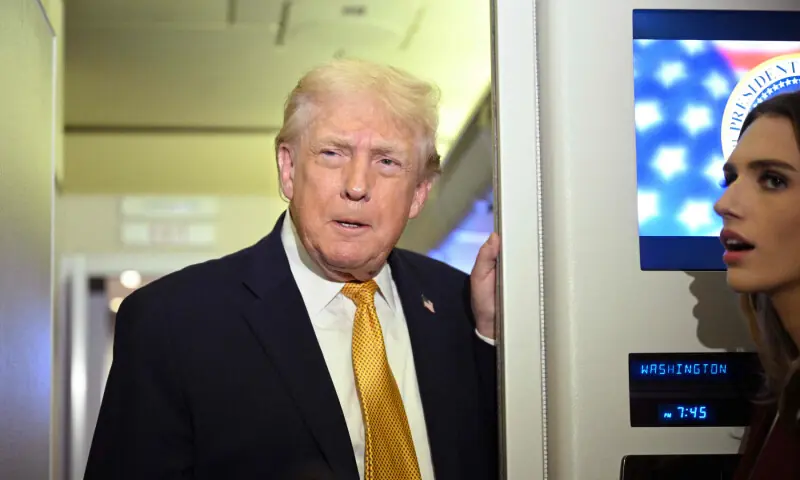
During a recent press briefing aboard Air Force One, Trump indicated the US could impose further tariffs on Indian goods if New Delhi doesn’t adequately address Washington’s concerns regarding its Russian oil imports. he framed the issue personally, stating, “Modi is a good guy. He knew I was not happy, and it was important to make me happy.”
This isn’t an empty threat.Last year, the US already doubled import tariffs on Indian goods to 50% as a punitive measure. Despite this, India’s exports to the US actually increased in November, suggesting a degree of resilience – and perhaps a calculated risk – on India’s part.
India’s Position: A Balancing act
India finds itself in a delicate position. It relies heavily on Russian oil to meet its energy demands, especially given its large and growing population. However, it also values its trade relationship with the US.
Indian officials have largely maintained a firm stance, signaling limited flexibility on certain US trade demands, specifically regarding agricultural imports. Concurrently,data indicates a recent decline in India’s oil purchases from Russia,possibly signaling a willingness to compromise.
* Recent Developments: India is now requesting weekly disclosures from refiners regarding their purchases of both Russian and US oil.
* Projected Impact: sources suggest Russian crude imports could fall below 1 million barrels per day as India seeks to secure a trade deal with washington.
Diplomatic Efforts and Ongoing Dialog
Despite the public rhetoric, diplomatic channels remain open. Prime Minister Modi and Trump have engaged in at least three phone conversations since the initial tariffs were imposed,though these discussions have yet to yield a definitive resolution.
Furthermore, India’s Commerce Secretary Rajesh Agrawal recently met with US Deputy Trade Representative Rick Switzer in Delhi to discuss bilateral trade and economic ties. These ongoing dialogues highlight the commitment – on both sides – to finding a path forward.
What’s Driving This Tension?
The core of the issue lies in the US’s efforts to isolate Russia economically following its invasion of Ukraine. Washington wants to discourage countries from providing financial support to the Kremlin through continued oil purchases.
However, india argues it needs to prioritize its own energy security and affordability.This divergence in priorities is fueling the current trade dispute.
Looking Ahead: Potential Scenarios
Several scenarios could unfold in the coming months:
- Tariff Escalation: If India doesn’t significantly reduce its Russian oil purchases, the US could follow through on its threat to impose further tariffs.
- Negotiated Compromise: Both sides could reach a compromise involving concessions on both sides, potentially including reduced tariffs in exchange for a commitment from India to curb its Russian oil imports.
- Continued Stalemate: The situation could remain unresolved, leading to ongoing trade tensions and uncertainty for businesses.
Evergreen Insights: Geopolitics and Trade
This situation underscores a broader trend: the increasing intersection of geopolitics and trade. Nations are increasingly using trade as a tool to achieve foreign policy objectives. For businesses, this means understanding the geopolitical landscape is just as important as understanding market dynamics.
Here’s what you need to consider:
* Diversification: Reduce your reliance on single markets or suppliers.
* Risk Assessment: Regularly assess the geopolitical risks associated with your operations.
* Scenario Planning: Develop contingency plans to mitigate potential disruptions.
Frequently Asked Questions
Q: What are tariffs, and how do they impact trade between the US and India?
A: Tariffs are taxes imposed on imported goods. They increase the cost of those goods, potentially reducing demand and impacting trade volumes.
Q: Why is the US concerned about India’s purchases of Russian oil?
A: The US wants to limit Russia’s revenue streams to weaken its ability to finance the war in Ukraine. India’s oil purchases


