The geopolitical landscape of the Middle East and the Western Hemisphere is experiencing a period of intense volatility as the United States pivots its military and diplomatic strategies under President Donald Trump. While recent headlines have focused on the administration’s aggressive stance toward international alliances, the scope of U.S. Military engagement is expanding to address both state actors and transnational criminal organizations.
Central to this shift is the administration’s approach to the North Atlantic Treaty Organization (NATO) and the strategic waterways of the Middle East. The tension surrounding the Strait of Hormuz—a critical chokepoint for global oil shipments—has become a focal point for the U.S. Presidency, with the administration signaling a willingness to challenge the existing military framework if immediate objectives are not met.
This strategic pressure comes amidst a broader realignment of U.S. Foreign policy. While the administration has issued ultimatums regarding the reopening of the Strait of Hormuz, it has simultaneously sought to build new, targeted alliances in the Americas to combat the influence of drug cartels and foreign interference in the Western Hemisphere.
The Strait of Hormuz and the NATO Ultimatum
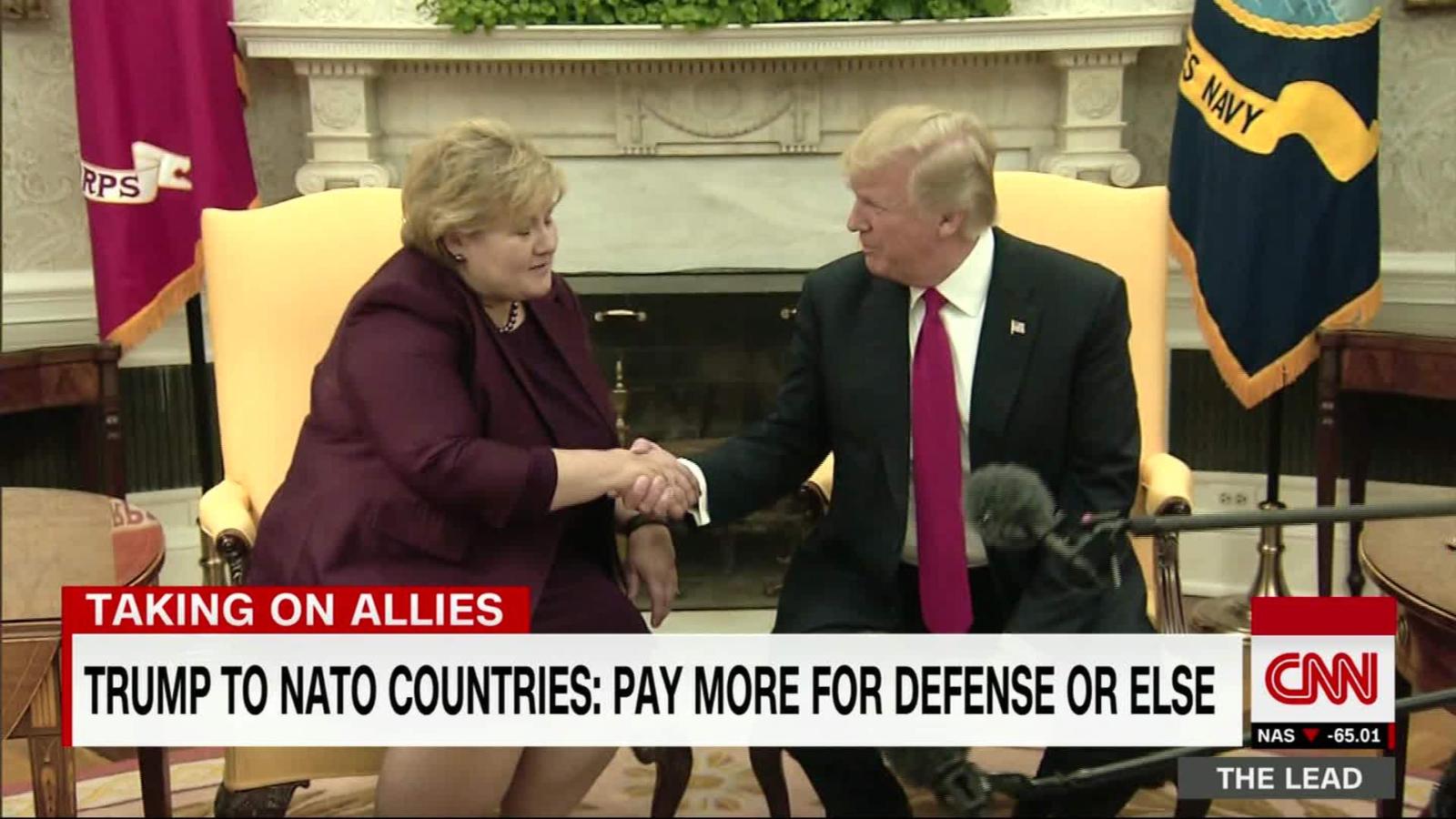
The U.S. Administration has placed significant pressure on NATO, demanding immediate support for operations to ensure the openness of the Strait of Hormuz. This maritime corridor is essential for global energy security, and any disruption to its flow has immediate implications for international markets. President Donald Trump has indicated that the U.S. May consider abandoning the military alliance if it does not provide the necessary support to secure this region within a matter of days.
This ultimatum reflects a broader trend in the current administration’s approach to multilateral treaties: a demand for immediate, tangible utility and shared burden-bearing. By linking the stability of the Strait of Hormuz to the future of the NATO alliance, the U.S. Is signaling that its commitment to traditional security umbrellas is contingent upon the active cooperation of its allies in specific, high-priority zones.
Expansion into the Americas: The Counter-Cartel Coalition
While tensions remain high with European allies, the U.S. Is actively constructing new partnerships in the Americas. On March 7, 2026, President Donald Trump convened the “Shield of the Americas” (Escudo de las Américas) summit in Miami to address the threat of drug cartels and narcotics terrorism BBC News Mundo.

The summit brought together twelve Latin American presidents who share alignment with the U.S. Administration. Key attendees included President Javier Milei of Argentina, President Nayib Bukele of El Salvador, President Daniel Noboa of Ecuador, and President-elect José Antonio Kast of Chile BBC News Mundo. The primary objective of this gathering was the establishment of the Americas Counter Cartel Coalition.
This new coalition is designed as a military agreement aimed at eradicating cartels throughout the Western Hemisphere. According to the U.S. State Department, the coalition will work to end “foreign interference in our hemisphere, the gangs and criminal cartels and narcoterrorists, and illegal and massive immigration” BBC News Mundo. President Trump emphasized the necessity of military force to achieve these goals, stating, “The only way to defeat these enemies is by unleashing the power of our armies” BBC News Mundo.
Key Objectives of the Americas Counter Cartel Coalition
- Military Eradication: Utilizing national armies to dismantle the infrastructure of drug cartels.
- Combating Foreign Influence: Preventing outside powers from interfering in the political and social stability of the hemisphere.
- Border Security: Implementing strategies to halt massive and illegal immigration.
- Regional Security: Promoting a framework of “freedom, security, and prosperity” through joint military action.
Reports indicate that the alliance may encompass up to 17 American countries dedicated to the destruction of these criminal organizations Swissinfo.
Strategic Pivot: From the Middle East to the Americas
The timing of the “Shield of the Americas” summit is notable, occurring just one week after U.S. And Israeli attacks against Iran BBC News Mundo. This suggests a strategic pivot where the U.S. Is attempting to manage multiple high-intensity conflicts simultaneously—maintaining a hard line in the Middle East while aggressively reorganizing security architectures in its own backyard.
The administration’s approach suggests a preference for “coalitions of the willing”—groups of aligned leaders who are ready to take direct military action—over the broader, often slower consensus-based models of traditional alliances like NATO. This is evident in both the demand for immediate NATO action in the Strait of Hormuz and the rapid assembly of the Americas Counter Cartel Coalition.
Comparison of Strategic Approaches
| Feature | NATO (Strait of Hormuz) | Americas Counter Cartel Coalition |
|---|---|---|
| Primary Goal | Reopening of maritime chokepoints | Eradication of drug cartels |
| Method | Ultimatum and alliance pressure | Joint military agreements |
| Key Partners | European Allies | Milei (Argentina), Bukele (El Salvador), Noboa (Ecuador), Kast (Chile) |
| Core Driver | Global energy security | Hemispheric stability and border control |
The shift toward using national armies to combat non-state actors in the Americas marks a significant escalation in regional security policy. By framing cartels as “enemies” and “narcoterrorists,” the administration is justifying the transition from law enforcement operations to military campaigns.
What This Means for Global Stability
The combination of a potential rupture with NATO and the creation of a new military bloc in the Americas creates a volatile global environment. For the Middle East, the ultimatum regarding the Strait of Hormuz places NATO members in a difficult position, forcing them to choose between immediate military escalation and the risk of U.S. Withdrawal from the alliance.
In the Americas, the “Shield of the Americas” initiative may lead to increased military presence in several Latin American nations. While the goal is the destruction of cartels, the use of armies for internal security and border control often brings complex human rights and diplomatic challenges.
The administration’s focus on “foreign interference” suggests that the Counter Cartel Coalition is not only about drugs but as well about limiting the influence of geopolitical rivals in the Western Hemisphere. This adds a layer of Cold War-style competition to the fight against organized crime.
As the U.S. Continues to redefine its role as a global superpower, the emphasis has clearly shifted toward unilateralism and transactional alliances. Whether in the waters of the Persian Gulf or the jungles of Latin America, the current strategy relies on the projection of military power and the demand for absolute alignment from partners.
The next critical checkpoint will be the response from NATO leadership regarding the deadline for the Strait of Hormuz, as well as the formalization of the 17-country alliance in the Americas.
We invite our readers to share their thoughts on these shifting global alliances in the comments section below.
Worth a look