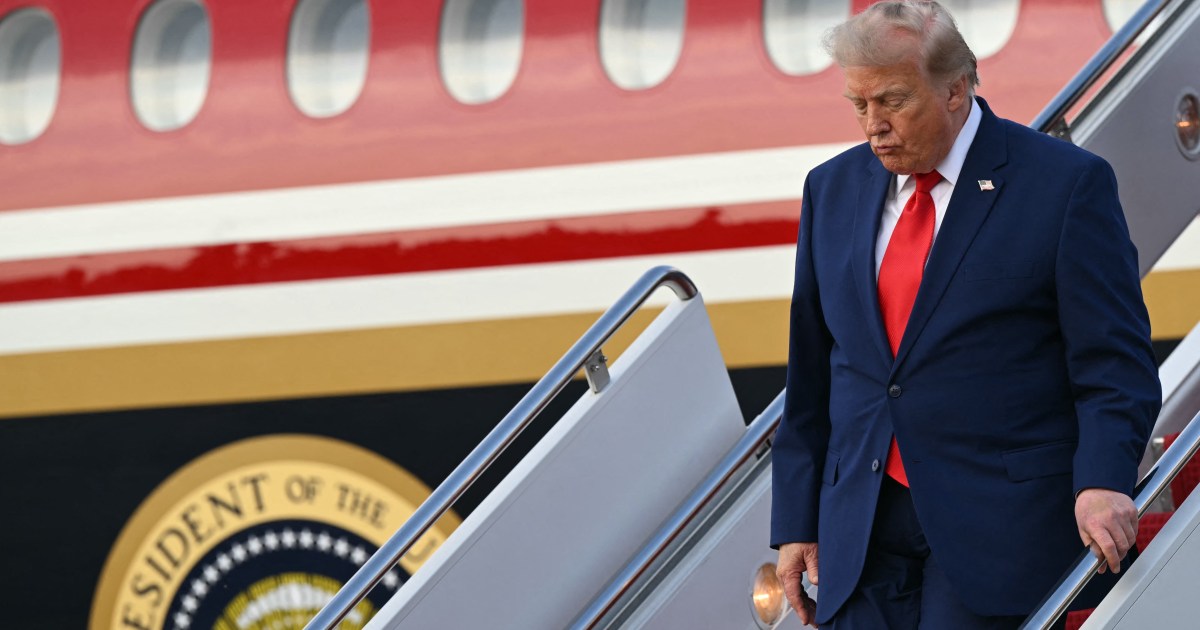
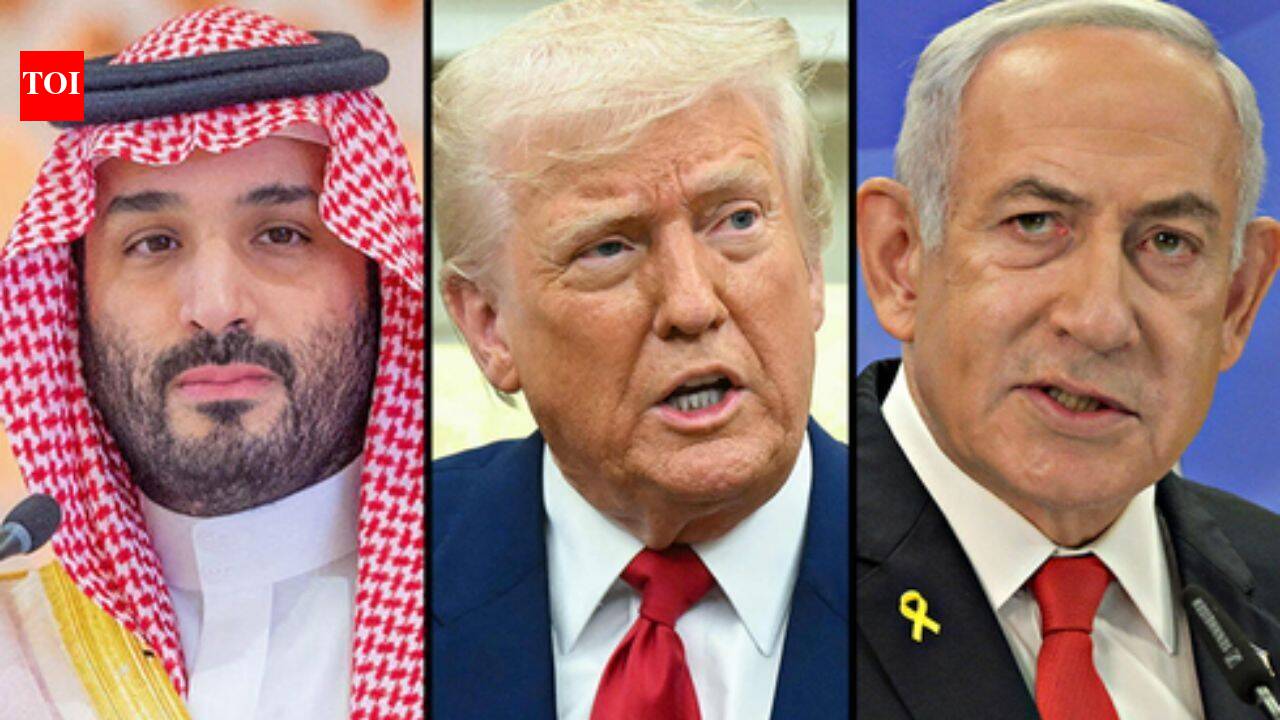
President Donald Trump announced on Thursday that a civilian nuclear cooperation agreement between the United States and Saudi Arabia is contingent on the kingdom joining the Abraham Accords.
The 30-Year Nuclear Framework and Congressional Review
According to WSJ, a key provision involves American companies building a uranium enrichment facility in Saudi Arabia if a joint study determines it is warranted. The administration planned to submit the agreement to Congress for review. Lawmakers have 90 days to review the package, and blocking it would require a joint resolution and a two-thirds majority vote to override a potential presidential veto, as noted by npr.org.
President Trump Links Final Approval to the Abraham Accords
A day after the Department of Energy announced the framework, President Donald Trump stated on Truth Social that the agreement is totally subject to Saudi Arabia joining the very respected and successful Abraham Accords. White House press secretary Karoline Leavitt reinforced that position to reporters, affirming that the energy deal is contingent on this condition as far as the president is concerned.
“The Civil Nuclear Deal (There will be no enrichment of material!) being made between the United States Department of Energy and Saudi Arabia, which pertains only to non-military use such as the ones that Iran and UAE (and others) already have, will be approved, but is totally subject to Saudi Arabia joining the very respected and successful Abraham Accords.”
Photo: WSJ
President Donald Trump, via Truth Social
The surprise condition cast immediate confusion over the diplomatic landscape. Steven Cook, a senior fellow for Middle Eastern studies at the Council on Foreign Relations, questioned the mechanics of the announcement, asking whether a social post supersedes a signed diplomatic agreement.
The public declarations from Washington highlighted conflicting signals over whether domestic uranium enrichment would actually be permitted under the accord. While initial reports indicated the framework left the door open for domestic enrichment facilities, President Trump insisted there would be no enrichment of material, asserting that the United States is not opposed to civil, non-enriched nuclear facilities.
Trump says Saudi Arabia must join Abraham Accords as contingency of nuclear deal
International Oversight and What Lies Ahead
With congressional review pending and the Abraham Accords condition added by executive pronouncement, lawmakers in Washington and diplomats abroad face an uncertain path toward finalizing the multi-decade energy partnership.