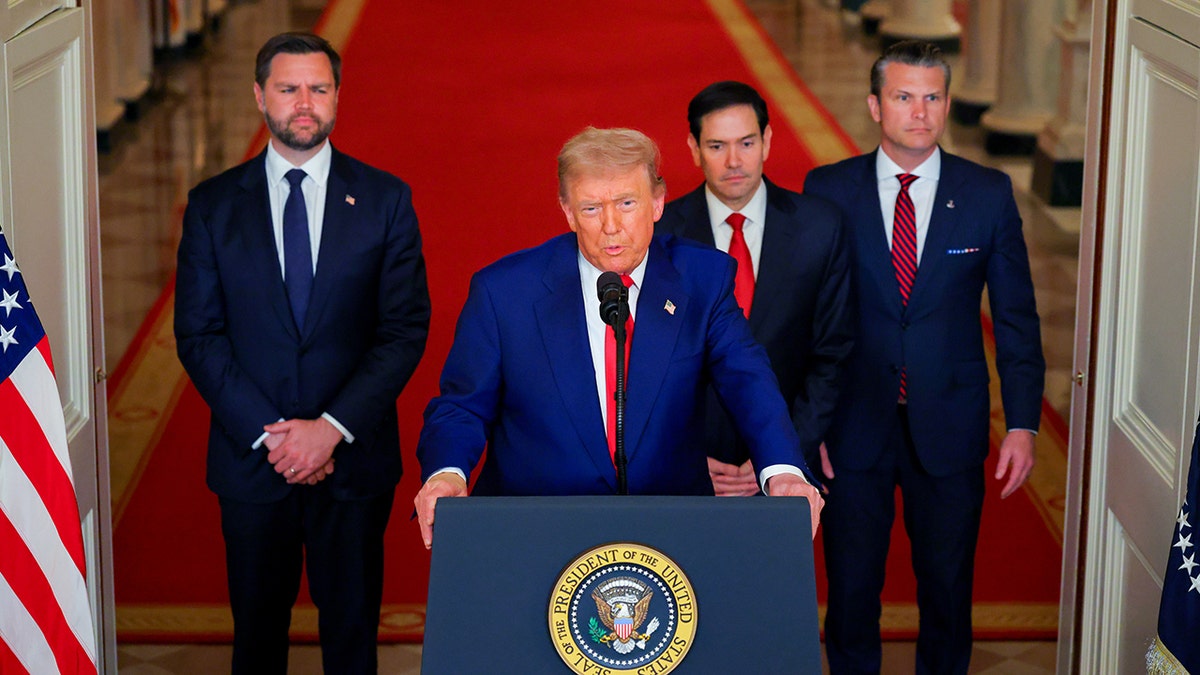
As the geopolitical landscape in the Middle East continues to shift, international observers are closely monitoring reports regarding potential adjustments to proposed diplomatic frameworks involving Iran. President Donald J. Trump, currently serving his second term, has indicated a desire to revisit the terms of existing diplomatic proposals, a move that comes amidst a period of heightened regional tension and ongoing maritime security concerns.
The situation remains fluid, with reports from the region highlighting a series of escalations that have drawn both United States and Iranian interests into direct conflict. While the White House has maintained a focus on its broader “peace through strength” doctrine, the specific mechanics of how a revised approach to Iran might be structured remain a subject of intense diplomatic scrutiny and public debate [1].
Navigating Diplomatic Hurdles in the Middle East
The core of the current tension centers on reports that the administration is seeking significant modifications to previously discussed peace proposals. These discussions are occurring against a backdrop of active military engagement. Notably, recent incidents at sea, including reports of strikes near the port city of Bandar Abbas, have underscored the volatility of the region [2].
For international stakeholders, the question is whether these proposed adjustments are intended to serve as a foundation for a new, more restrictive agreement or if they represent a fundamental departure from prior diplomatic efforts. The United States government has consistently emphasized the necessity of securing its interests and maintaining stability, often citing its commitment to regional alliances [3].
However, the complexity of these negotiations is compounded by the lack of direct, transparent communication channels between the involved parties. As the administration continues to implement its policy agenda, including its focus on energy independence and national security, the approach to Iran serves as a litmus test for the effectiveness of its current foreign policy strategy.
Maritime Security and Regional Stability
The maritime domain has become a critical theater for this ongoing friction. Reports of naval engagements, including the targeting of vessels linked to transit routes near Iran, have introduced a new layer of urgency to the diplomatic process. These actions are often justified by the involved parties as necessary measures to ensure the safety of critical trade corridors and to counter perceived threats to national sovereignty [4].

The intersection of these maritime activities with the broader diplomatic discourse suggests that any potential “deal” will likely require concessions that extend far beyond traditional nuclear or economic considerations. Issues such as regional proxy influence, missile development, and the protection of international shipping lanes are now inextricably linked to the conversation.
Key Factors in the U.S.-Iran Dynamic
- Strategic Realignment: The administration’s emphasis on “peace through strength” marks a departure from previous engagement models, prioritizing direct pressure over multilateral consensus.
- Maritime Escalation: The frequency of incidents involving commercial and military vessels has increased the risk of unintended conflict, necessitating more robust de-escalation protocols.
- Economic Pressure: The use of targeted economic measures remains a primary tool for the U.S. In influencing Iranian state behavior, though its long-term impact on domestic Iranian policy remains debated by analysts.
What Happens Next: The Path Toward Resolution
As we look toward the coming weeks, the international community is waiting for official briefings from the Department of State regarding the specific nature of the proposed adjustments to the Iran deal. There is no immediate timeline for a formal summit, though diplomatic backchannels are reportedly active in various neutral capitals.

The next major checkpoint will likely be the upcoming session of the United Nations Security Council, where the United States is expected to present its updated position on regional stability. Until such time, the situation in the Persian Gulf remains a primary focus for global markets and security analysts alike.
We invite our readers to share their perspectives on these developments in the comments section below. As this story continues to evolve, we remain committed to providing verified, objective reporting on the implications for global security and international law.
[1] The White House: Official Statements on Foreign Policy
[2] U.S. Department of State: Press Briefings and Regional Updates
[3] United Nations Security Council: Current Mandates and Briefings
[4] U.S. Department of Defense: Maritime Security Operations
- Extreme Weather Events Around the World: A Global Update
- Des eurodéputés réclament un contrôle de l’aide au Polisario – APAnews – Agence de Presse Africaine
- Trump says US being ‘invaded by filthy air’ as he threatens Canada with tariffs over wildfires (archyworldys.com)
- Trump Calls 2026 World Cup the Biggest Sporting Event Ever (world-today-news.com)