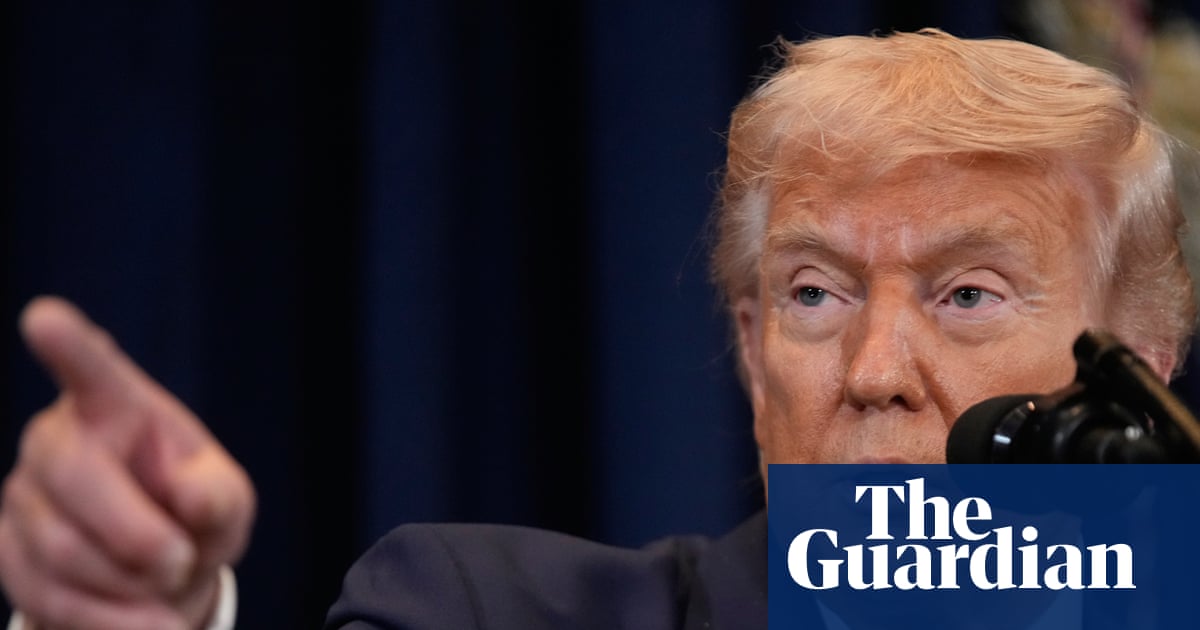
London, United Kingdom – As the conflict in Iran continues to disrupt global energy markets, a phone call between former U.S. President Donald Trump and Russian President Vladimir Putin has revealed discussions about easing international tensions and addressing the escalating energy crisis. The conversation, confirmed by both the Kremlin and sources close to Trump, centered on potential pathways to de-escalation in both Iran and Ukraine, with a particular focus on the disruption to oil supplies through the Strait of Hormuz. This development comes as benchmark crude oil prices surged past $100 a barrel on Monday, reaching levels not seen since Russia’s full-scale invasion of Ukraine in 2022, before partially retracting.
The situation is further complicated by the ongoing war in Ukraine, which continues to draw international attention and resources. While details remain scarce, the discussion between Trump and Putin reportedly touched upon potential avenues for a resolution to the conflict, though the specifics remain unclear. The timing of the call is significant, occurring amidst heightened global instability and increasing concerns about the economic ramifications of prolonged conflicts in both the Middle East and Eastern Europe. The potential for a shift in U.S. Policy regarding sanctions, particularly those impacting oil-producing nations, is now a key point of speculation among analysts and policymakers.
Trump Signals Potential Sanctions Relief to Stabilize Oil Markets
According to statements made by Trump in Florida on Monday, the United States is considering waiving oil-related sanctions on “some countries” in an effort to alleviate the oil shortage triggered by the conflict in Iran. “So we have sanctions on some countries. We’re going to take those sanctions off until the strait [of Hormuz] is up,” Trump stated, declining to elaborate on which nations might be affected. This move, as reported by Reuters, could potentially lead to a relaxation of sanctions on Russian oil, a prospect that would likely draw criticism from those advocating for stronger measures against Moscow in response to its actions in Ukraine. Reuters reported that multiple sources indicated this possibility.
The administration is also exploring other options to stabilize the market, including a potential release of oil from strategic reserves and restrictions on U.S. Exports. Last week, the U.S. Issued a temporary waiver allowing India to purchase certain Russian oil cargoes, a move intended to help New Delhi cope with the reduced supply from the Middle East. However, with the Strait of Hormuz experiencing significant disruptions to tanker traffic, the effectiveness of these measures remains uncertain. A previously announced White House plan to provide naval escorts and insurance for tankers transiting the strait has, so far, failed to significantly increase shipping activity through the crucial waterway.
Putin Proposes Solutions, Highlights Russia’s Energy Role
The Kremlin has characterized the conversation between Putin and Trump as “frank and businesslike,” lasting approximately one hour. Putin’s foreign affairs advisor, Yuri Ushakov, stated that the Russian president set forward proposals for a swift resolution to the conflict in Iran. Putin also reiterated Russia’s willingness to supply oil and gas to Europe, arguing that the war in Iran has exacerbated a global energy crisis and warned that oil production reliant on the Strait of Hormuz could soon grind to a halt. Russia, as the world’s second-largest oil exporter and holder of the largest natural gas reserves, sees an opportunity to capitalize on the current instability. Putin reportedly encouraged Russian companies to take advantage of the situation in the Middle East, while acknowledging that the surge in oil prices might be temporary.
Ukraine Seeks Support, Focus Shifts to Iran
Amidst these developments, Ukraine continues to navigate its own complex geopolitical landscape. President Volodymyr Zelenskyy announced that Ukraine has dispatched interceptor drones and operators to Jordan to bolster U.S. Base defenses, responding to a direct request from Washington. This assistance is part of a broader effort by Kyiv to strengthen relationships with countries in the Gulf and Middle East, many of which are facing increased threats amid the escalating conflict in Iran. Zelenskyy revealed that Ukraine has received requests for assistance from 11 countries, including those neighboring Iran, European nations, and the United States. Satellite imagery reportedly indicates damage to the radar system of a U.S. Thaad air defense system at a base in Jordan, suggesting the effectiveness of Iranian attacks in the region.
Despite Ukraine’s readiness for renewed U.S.-backed peace talks with Russia, Zelenskyy acknowledged that the current focus of international partners has shifted to the crisis in Iran. He further stated that the U.S. Has requested a postponement of an upcoming meeting, signaling a prioritization of addressing the immediate challenges posed by the conflict in the Middle East. This shift in attention underscores the interconnectedness of global security challenges and the potential for regional conflicts to divert resources and diplomatic efforts from other ongoing crises.
Continued Fighting in Ukraine
While the world’s attention is partially diverted to Iran, fighting continues in Ukraine. On Monday, a Russian drone strike near a high-rise apartment building in Kharkiv, Ukraine’s second-largest city, injured six people, including a child, according to Mayor Ihor Terekhov. Kharkiv, located just 30 kilometers (18 miles) from the Russian border, has been a frequent target of Russian attacks since repelling initial advances in February 2022. Separately, Russian shelling in Dnipro injured seven people, as reported by regional governor Oleksandr Ganzha, with images circulating online showing significant damage to buildings and infrastructure.
Cultural and Economic Fallout from Ongoing Conflicts
The ripple effects of the ongoing conflicts are extending beyond the military and economic spheres. Ukraine has urged organizers of the Venice Biennale to reconsider Russia’s participation in the prestigious art exhibition, arguing that allowing Russia to participate would be tantamount to “a stage for whitewashing… war crimes.” This plea follows a decision by Biennale organizers to permit Russia’s participation, a move that has drawn criticism from Italy’s culture ministry and other international observers. Russia was absent from the Biennale in 2022 and 2024.
Meanwhile, Russian oligarch Roman Abramovich is intensifying his legal battle with the British government over the £2.5 billion proceeds from the sale of Chelsea Football Club. Abramovich maintains that the funds are his to allocate, despite international sanctions imposed on his assets due to his ties to Putin’s regime. The UK and the European Union sanctioned Abramovich in 2022, leading to the sale of the Premier League club to a consortium. However, the £2.5 billion remains frozen in a UK bank account, with the British government seeking to ringfence the funds for use in Ukraine. Abramovich is reportedly seeking greater flexibility in how the money is spent.
Key Takeaways
- Potential Sanctions Relief: The U.S. Is considering waiving oil sanctions on some countries to address the global energy shortage caused by the conflict in Iran.
- Putin’s Proposals: Vladimir Putin has presented proposals for resolving the Iran conflict and reiterated Russia’s willingness to supply energy to Europe.
- Ukraine’s Shifting Focus: While prepared for peace talks, Ukraine’s partners are currently prioritizing the crisis in Iran, leading to a postponement of planned discussions.
- Continued Conflict in Ukraine: Fighting continues in Ukraine, with recent attacks reported in Kharkiv and Dnipro, resulting in civilian injuries.
The situation remains fluid and highly sensitive. The next key development to watch will be the official announcement, if any, regarding the U.S. Decision on sanctions waivers, expected within the coming days. The international community will also be closely monitoring the diplomatic efforts to de-escalate the conflict in Iran and the potential for further escalation in Ukraine.
What are your thoughts on the potential for sanctions relief and its impact on global energy markets? Share your comments below and join the conversation.
- Flavia Cappellini , giornalista esperta di Medio Oriente, è stata oggi ospite a Mondo, il … – Facebook
- L’Iran: ‘In fiamme due petroliere, hanno attraversato la zona minata a Hormuz
- FDA raised conflict of interest concerns ahead of new peptide panel (archyde.com)
- Trump Reignites Election Fraud Debates with Prime-Time Speech (time.news)