
The Rising Tide of Crypto Fraud: Why New Legislation falls Short of Protecting Consumers
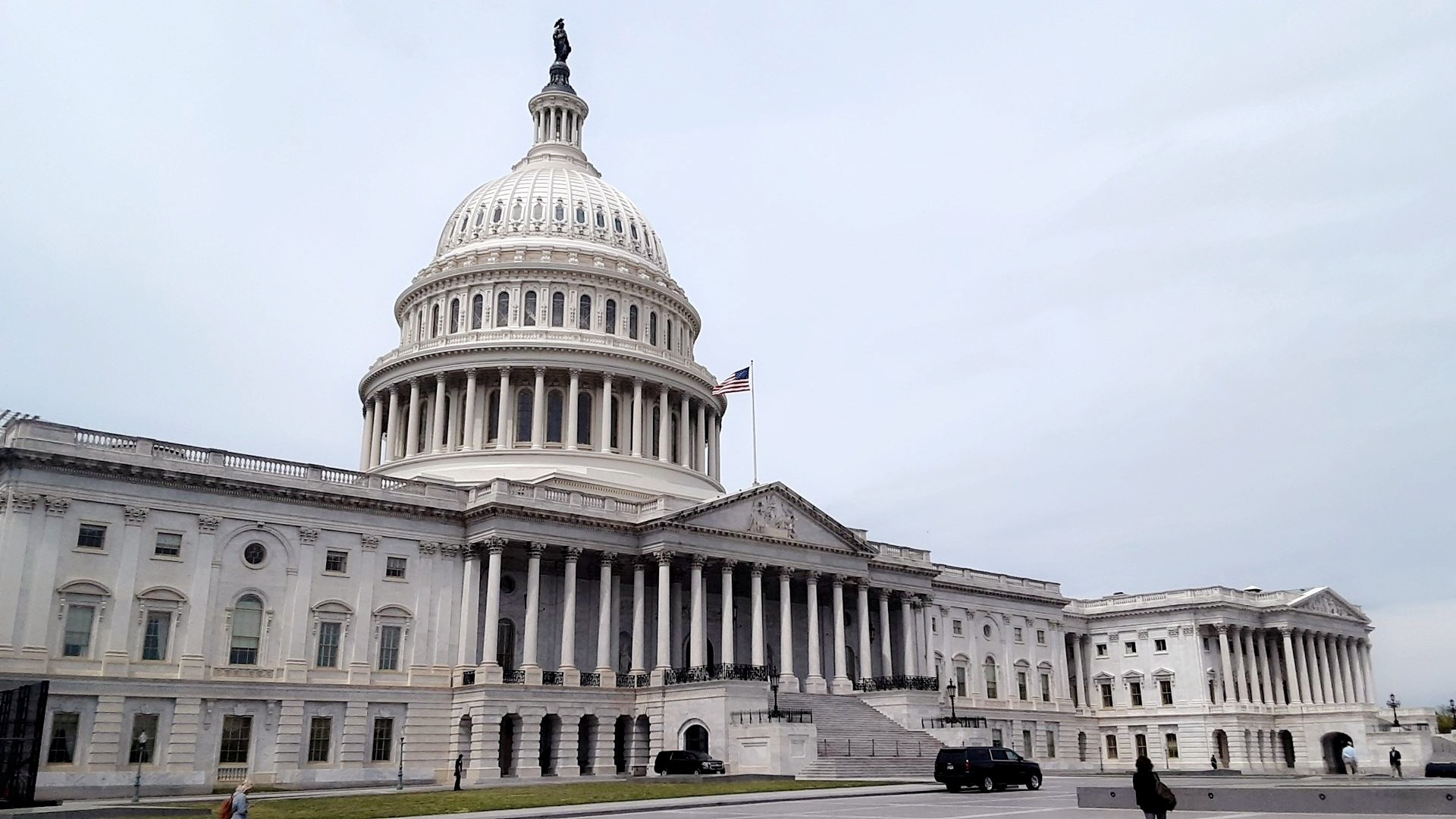
The House of Representatives recently debated a trio of bills aimed at regulating the burgeoning cryptocurrency landscape. While two passed with relative ease, a third, focused on preventing a U.S. Central Bank Digital Currency (CBDC), squeaked by on a narrower margin. Proponents, like House Majority Whip Tom Emmer, argue this bill safeguards financial privacy, preventing the Federal Reserve from monitoring or restricting Americans’ spending. Tho, a closer look reveals a concerning gap: these bills, while addressing potential government overreach, offer surprisingly limited protection against the already rampant wave of crypto-related fraud that’s costing Americans billions.
The global interest in digital currencies is undeniable. Dozens of nations – including France, Brazil, China, Australia, and India – are actively piloting Central Bank Digital Currencies (CBDCs), driven by goals like streamlining cross-border payments, supplementing conventional cash, and improving financial infrastructure. (You can track these developments at the Atlantic Council’s CBDC Tracker: https://www.atlanticcouncil.org/cbdctracker/). But while governments explore the potential benefits of digital currencies, the unregulated fringes of the crypto world are becoming a haven for scammers, and the current legislative response feels inadequate.
A Perfect Storm for Fraud: Speed, Irreversibility, and International Reach
The problem isn’t hypothetical. The FBI’s most recent Internet Crime Report details a staggering reality: crypto-related scams were a component of nearly 150,000 financial fraud complaints in 2024, resulting in a reported loss of $9.3 billion. (GENIUS Act doesn’t even mention the Consumer Financial Protection Bureau (CFPB) – the agency created after the 2008 financial crisis specifically to protect consumers from predatory financial practices. “Regarding anti-money laundering and illicit financing, it is kind of just open to interpretation when it comes to foreign businesses.So, can they use the loopholes to do more harm to U.S. citizens?”
The Need for a Multi-Pronged approach
The current legislative focus feels misplaced. While concerns about a CBDC are valid, the immediate and pressing threat is the existing fraud epidemic. Simply preventing a digital dollar doesn’t address the vulnerabilities being exploited right now.A truly effective solution requires a multi-pronged approach:
Strengthened Consumer Protections: The CFPB must be involved in regulating the crypto space. Its expertise in consumer finance is critical to developing safeguards against fraud and deceptive practices.Cutting its funding, as proposed in President Trump’s “Big Beautiful Bill” (https://www.cnbc.com/2025/07/09/trump-big-beautiful-bill-slashes-cfpb-funding-what-it-means.html), is a step in the wrong direction.
Enhanced Collaboration: Platforms commonly used by scammers – social media, dating apps, online marketplaces – need to proactively invest in fraud prevention. The online dating industry provides a positive





