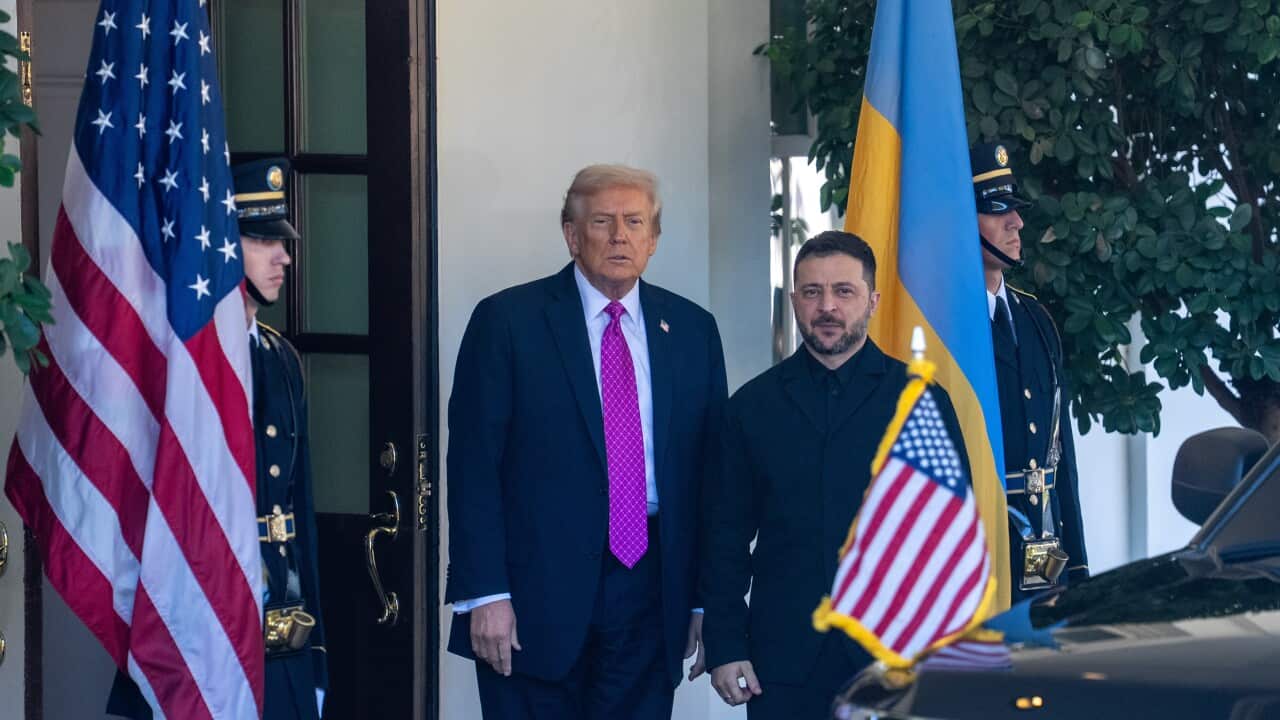
Trump’s Ukraine Peace Proposal: A Deep Dive into a Controversial Plan & Looming Negotiations
Geneva, Switzerland – As the conflict in Ukraine nears its four-year mark, a US-led peace proposal spearheaded by former President Donald Trump has ignited a firestorm of debate, raising both cautious optimism and significant concerns among Kyiv, its allies, and washington’s own political landscape. With a deadline of November 27th for Ukraine’s initial response, the plan is now the focal point of intense diplomatic activity, including upcoming talks in Geneva, and underscores a pivotal moment in the ongoing struggle for peace.
This article provides a comprehensive analysis of the proposal, its key stipulations, the reactions from key stakeholders, and the potential pathways forward – offering clarity amidst a complex and rapidly evolving situation.
The Core of the Proposal: A Framework for negotiation, or Capitulation?
The 28-point plan, reportedly developed by US diplomatic envoy Steve Witkoff and now being actively discussed by US Army Secretary Daniel Driscoll with Ukrainian President Volodymyr Zelenskyy, outlines a framework for ending the hostilities. However, its details have sparked considerable controversy. The proposal reportedly demands significant concessions from Ukraine, including:
* Territorial Cessions: The plan allegedly requires Ukraine to relinquish control of certain territories, a point of deep contention given Russia’s ongoing occupation of Ukrainian land.
* Military Restrictions: A substantial reduction in ukraine’s armed forces is proposed, raising fears about its future ability to defend its sovereignty.
* NATO Membership Bar: A permanent pledge to forgo NATO membership is a central tenet, effectively removing a key security guarantee for Ukraine.
While initially dismissed by some US senators as a Russian “wish list,” the US government has firmly asserted its authorship of the plan, framing it as a “strong framework for ongoing negotiations” based on input from both Russia and Ukraine. Senator Marco Rubio, a key figure in the discussions, clarified on social media that the proposal is intended as a starting point, acknowledging Russian input while emphasizing ongoing dialog with Ukraine.
International Reactions: A Call for Refinement and Red Lines
The proposal’s emergence has been met with a mixed response from Ukraine’s European allies. while acknowledging the need for a negotiated settlement, leaders at the G20 summit in South Africa stressed the plan requires “additional work.” A joint statement from key European nations, Canada, and Japan underscored several non-negotiable principles:
* Territorial Integrity: A firm rejection of any changes to borders achieved through force.
* Sovereign Defense: Concerns regarding limitations on Ukraine’s military capabilities, which could leave the nation vulnerable to future aggression.
These concerns reflect a broader apprehension that the plan, as currently formulated, could unduly disadvantage Ukraine and perhaps embolden further Russian aggression.Ukraine itself faces a challenging dilemma, as President Zelenskyy acknowledged in a recent address to the nation, describing the moment as one of the most challenging in its history. He has pledged to present “alternatives” to the Trump proposal, navigating the delicate balance between securing a lasting peace and preserving national dignity.
Russia’s Position: A Potential Foundation,with a Threatening Caveat
Russian President Vladimir Putin has cautiously welcomed the blueprint,suggesting it could “lay the foundation” for a final peace settlement.Though, this optimism is tempered by a familiar threat: further land seizures should Ukraine reject the negotiation process. This underscores Russia’s continued maximalist ambitions and its willingness to leverage military pressure to achieve its objectives.
The Geneva Talks: What to Expect
The upcoming talks in Geneva,commencing Sunday,are critical. US Army Secretary Driscoll and Senator rubio will be central figures, engaging directly with Ukrainian representatives led by Andriy Yermak, Zelenskyy’s top aide. Crucially, the Ukrainian decree outlining its delegation also mentions the inclusion of “representatives of the Russian federation,” although confirmation from Moscow remains pending.
The success of these negotiations hinges on several factors:
* Ukrainian Agency: Ukraine’s ability to articulate its red lines and secure meaningful concessions.
* US Commitment: The extent to which the US is willing to revise the plan based on feedback from Ukraine and its allies.
* Russian Engagement: Whether Russia will participate in good faith, or use the talks as a platform for further demands and preconditions.
the Broader Implications: A Test of Transatlantic Unity and Global Security
The Trump peace proposal is more than just a bilateral negotiation; it’s a test of transatlantic unity and the future of European security. The outcome will have far-reaching consequences, potentially reshaping the geopolitical landscape for years to come.
The pressure on Ukraine is immense, facing
Keep reading