
The Fragile Pursuit of Peace: Examining the Trump-Zelenskyy Meeting and the Road Ahead in Ukraine
Recent discussions between former President Trump and Ukrainian President Zelenskyy, held in Florida, have sparked both cautious optimism and considerable skepticism regarding potential pathways to peace in Ukraine. While presented as a productive dialog, a significant disconnect exists between the diplomatic narrative and the harsh realities unfolding on the ground. A genuine cease-fire, or even a concrete pause in hostilities, remains elusive.
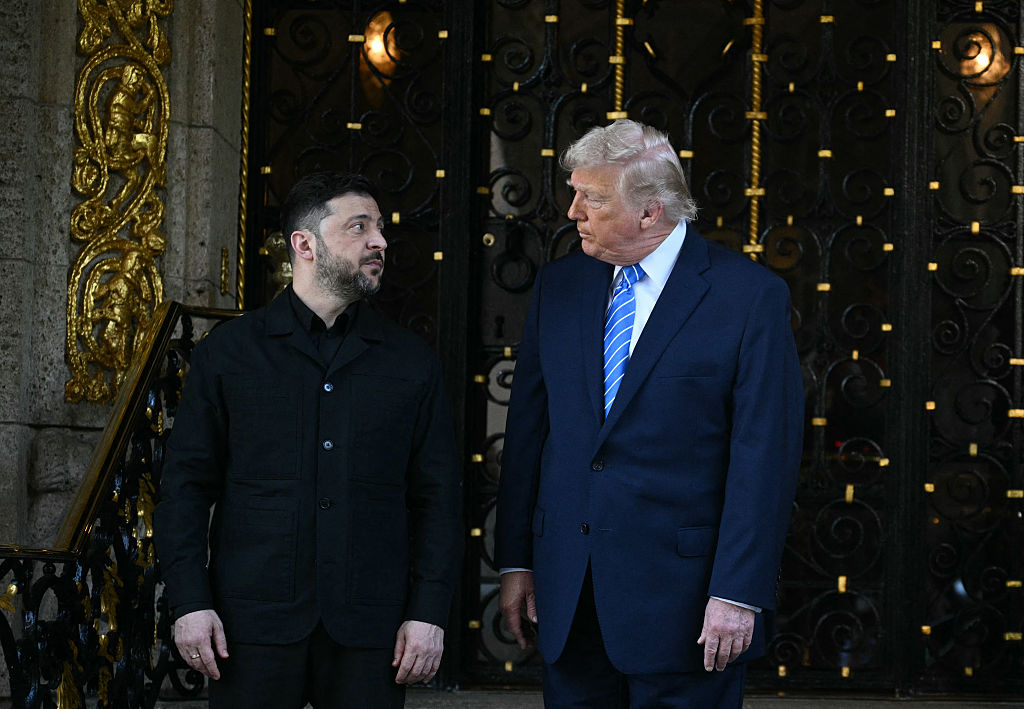
The meeting itself offered a striking dynamic. Zelenskyy maintained a measured approach, largely listening as Trump detailed his vision for resolving the conflict.Trump frequently interjected reflections on past political battles, including repeated references to the 2020 election and the Russia investigation, positioning himself as a pivotal figure in global affairs.
Trump asserted his team had been actively coordinating with European leaders to facilitate peace negotiations. He presented himself as an indispensable mediator between Kyiv and Moscow. Notably, when questioned about a potential cease-fire, he deferred to Vladimir Putin, emphasizing that any halt in fighting would ultimately be a decision made by Russia, not directly negotiated with Ukraine.
Analysts are rightly questioning the substance behind the presented optimism. The proposed 20-point framework and Trump’s claim of a “95%” agreement sound encouraging on the surface. Though, the continued attacks by Russia and the absence of a formal cease-fire raise serious doubts about how close the two sides truly are to a lasting resolution.
Here’s a breakdown of the key concerns:
* Lack of a Cease-Fire: Ongoing violence undermines any claims of imminent peace.
* One-Sided Emphasis: Placing the onus for a halt in hostilities solely on Russia is problematic.
* optics Matter: The dynamic of Trump as the dominant speaker and Zelenskyy as a largely silent observer suggests a power imbalance and a potential attempt to claim credit prematurely.
You might be wondering what this means for the future. The situation remains incredibly delicate.Progress hinges not only on diplomatic efforts but also on the brutal realities of the ongoing conflict and the complex geopolitical landscape.
Consider these factors as you follow the developments:
* Continued Violence: The intensity and frequency of attacks will directly impact the viability of any negotiations.
* Geopolitical Pressures: The involvement and influence of other nations will shape the outcome.
* Trust Deficit: Years of conflict have eroded trust between all parties involved, making meaningful dialogue challenging.
As both teams prepare for further negotiations, the prospects for peace remain tentative. It’s a situation shaped as much by the realities of war as by the personalities involved. A durable solution will require a commitment to genuine dialogue, verifiable cease-fire mechanisms, and a willingness to address the underlying causes of the conflict. It’s a long road ahead, and cautious realism is essential.





