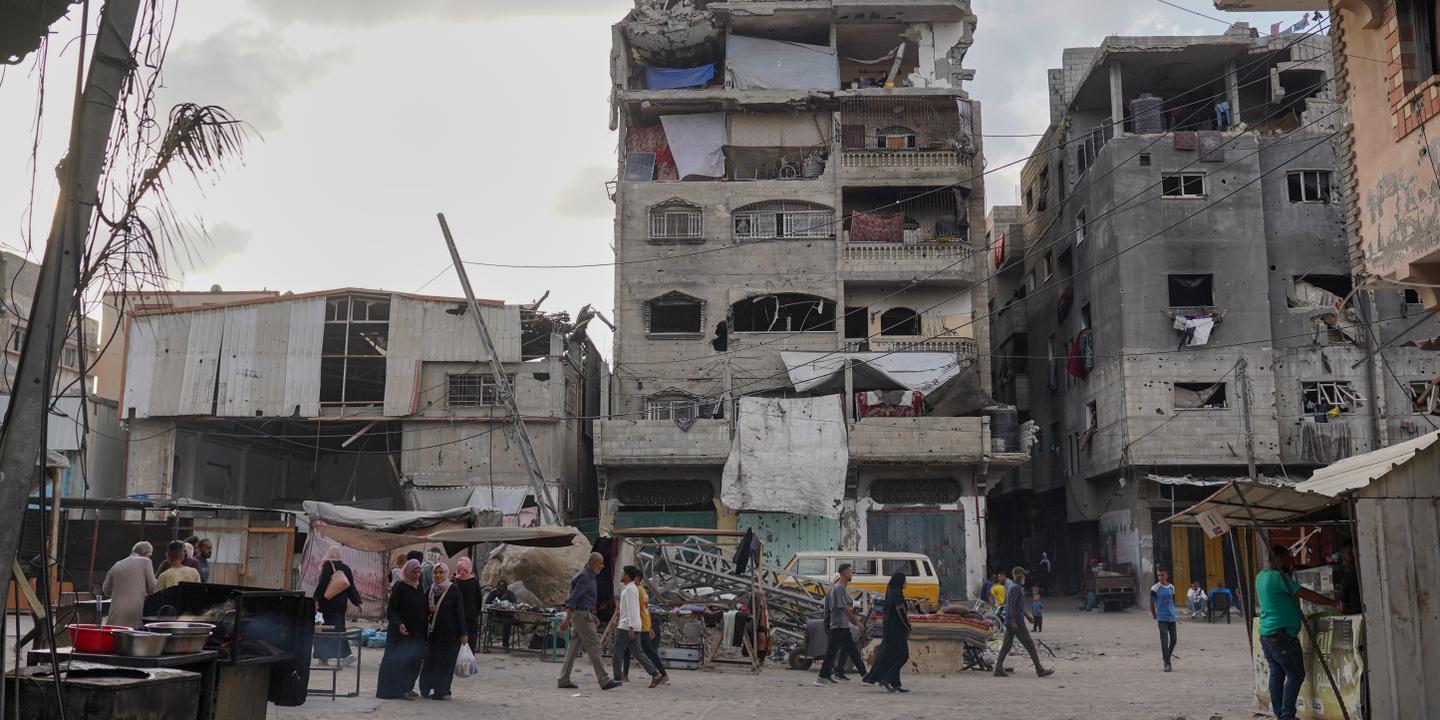
Gaza Conflict: Negotiations Resume with Focus on Prisoner Exchange and Ceasefire
Intense diplomatic efforts are underway in Egypt,aiming to broker an end to the nearly two-year conflict between israel and Hamas in the Gaza Strip. These talks represent a critical juncture, potentially paving the way for a sustained ceasefire and the release of hostages held by both sides.
A high-ranking source indicates Hamas is prepared to engage constructively, but with a firm condition. The group insists Israel must not obstruct the implementation of a previously proposed peace plan, often associated with former U.S. President Donald Trump. If Israel demonstrates genuine commitment to a deal, Hamas is ready to move forward.
Key Developments & Negotiation Dynamics
Here’s a breakdown of the current situation and what’s on the table:
* Delegation Arrival: Hamas negotiators, traveling from Doha, are expected to arrive in Cairo Sunday. they will then proceed to Sharm El-Sheikh for indirect negotiations with the Israeli delegation.
* Separate Discussions: Both delegations will be present in the same location, but will conduct discussions separately and away from media scrutiny. This approach aims to foster a more focused and confidential environment.
* Focus on Prisoner exchange: The primary objective of these negotiations is to establish a timeline for preparing the ground for a prisoner exchange.Specifically, discussions will center on the logistics of transferring hostages held in Gaza.
* mutual Ceasefire Demand: Hamas is demanding a complete halt to all Israeli military operations throughout Gaza. This includes ceasing aerial activity, reconnaissance missions, and drone surveillance, alongside a full withdrawal from within the territory.In return,Hamas and other militant factions pledge to suspend their own military operations.
The Proposed Framework & Potential Hurdles
The negotiations will also involve a detailed review of proposed withdrawal plans presented by Israel. These plans outline routes and timelines for Israeli forces, which are intended to align with the phased release of prisoners.
Furthermore, the Hamas delegation will present lists of Palestinian prisoners they expect Israel to release as part of the exchange. According to the framework, Israel would release approximately 250 Palestinian prisoners serving life sentences. Additionally, over 1,700 Palestinians detained from Gaza as the October 7th Hamas attack – the event that triggered the current conflict – would also be freed.
You might be wondering about the complexities involved in such a large-scale exchange. Several factors could potentially hinder progress:
* Verification & Trust: Ensuring the safe transfer of hostages and verifying the identities of released prisoners will be paramount.Building trust between the parties is crucial.
* Defining “Complete Cessation of Hostilities”: The interpretation of a full ceasefire could be a point of contention.Clear definitions are needed to prevent future escalations.
* Political Considerations: Both sides face internal political pressures that could influence their willingness to compromise.
What This Means for You
These negotiations represent a notable possibility to de-escalate a deeply entrenched conflict. A successful outcome could bring much-needed relief to civilians in Gaza and Israel, and potentially lay the groundwork for a more enduring peace.
Though, it’s crucial to remember that these are complex talks with many potential pitfalls. You can stay informed by following credible news sources and understanding the nuances of the situation.
ultimately, the coming days will be critical in determining whether these negotiations can translate into a lasting resolution.The world is watching,hoping for a breakthrough that will bring an end to the suffering and pave the way for a more peaceful future.
- UPDF Passes Out EOD and Counter-IED Technicians to Combat Asymmetric Warfare
- US-Iran Conflict: Trump Warns of Further Strikes as Tensions Escalate in the Middle East
- Trump Orders New Strike on Iran as Conflict Enters Sixth Month (world-today-news.com)
- The Senate Blue Slip, Explained: The Custom Trump Wants Gone (daybreakwire.com)