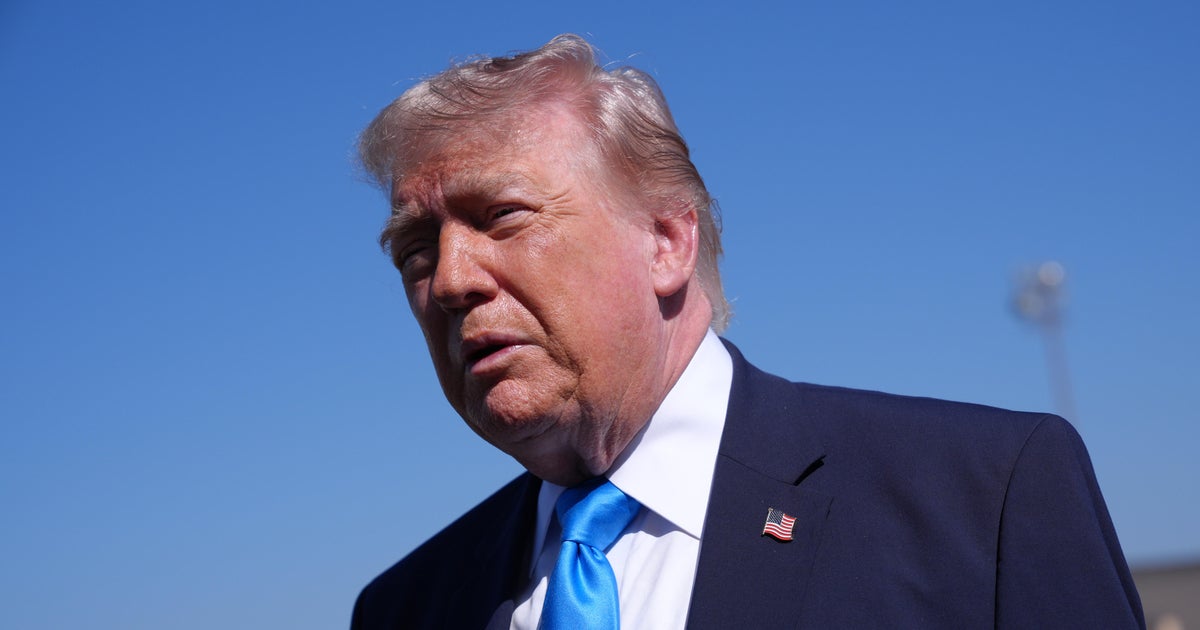
In a series of recent diplomatic overtures, President Donald Trump has indicated that the United States is “getting a lot closer” to finalizing an agreement with Iran. The remarks, which have drawn significant international attention, suggest a potential shift in the long-standing geopolitical tensions between Washington and Tehran. While specific details of the proposed arrangement remain under wraps, the President’s optimistic tone has sparked widespread discussion regarding the future of Middle Eastern security and global energy stability.
The prospect of a formal agreement follows a period of heightened diplomatic activity, with negotiators from both nations reportedly engaged in discussions aimed at de-escalating regional conflicts. For the international community, the potential for a breakthrough represents a pivotal moment in U.S. Foreign policy. Observers are now looking toward official channels to determine the scope of these talks and whether they will address long-standing concerns regarding nuclear proliferation, regional influence, and the security of critical maritime trade routes.
Diplomatic Momentum and Regional Security
The focus on a potential deal has intensified as both nations signal a willingness to engage in high-level dialogue. The administration’s approach, characterized by a mix of direct negotiation and strategic pressure, appears to be moving toward a framework that could fundamentally alter the current status quo. As reported by Reuters, negotiators are working through the complex technicalities that typically accompany such high-stakes international accords.
For many analysts, the primary interest lies in whether this agreement will address the security of the Strait of Hormuz—a vital artery for global oil transit. Recent reports indicate that the tone of these discussions has been notably upbeat, leading to speculation about a broader de-escalation of hostilities. The potential for a finalized agreement is being monitored closely by global markets, as any sustained reduction in regional friction would likely have significant implications for energy prices and trade stability.
The Path to Finalization: What Happens Next?
While the administration remains optimistic, the transition from negotiation to a binding agreement involves significant legal and diplomatic hurdles. Historically, agreements of this nature require extensive review by legislative bodies and international oversight agencies. The White House has yet to release a definitive timeline for the conclusion of these talks, emphasizing that the focus remains on ensuring that any deal serves national security interests.
The complexity of the current geopolitical landscape means that stakeholders are watching for any official statements from the Department of State or the White House press office. Transparency regarding the terms of the agreement will be crucial for maintaining public and congressional support. As the situation develops, the international community expects further updates on the progress of the working groups currently tasked with ironing out the final details.
Key Considerations for Global Observers
- Diplomatic Channels: Direct communication between U.S. And Iranian representatives remains the primary mechanism for these negotiations.
- Economic Impact: Potential stabilization of the region is viewed by market analysts as a positive indicator for global supply chain security.
- Regional Alliances: The impact of such a deal on existing U.S. Partnerships in the Middle East remains a central topic of debate among foreign policy experts.
As we continue to monitor this evolving story, we encourage our readers to look for updates through official government portals and verified news outlets. The next scheduled briefing from the White House is expected to provide further clarity on the administration’s legislative and diplomatic priorities for the remainder of the month. We will continue to track these developments as they unfold.

What are your thoughts on the potential for a U.S.-Iran agreement? Join the conversation below and share your perspective on the shifting dynamics of global diplomacy.
Related reading