Trump Administration Escalates Fight Against cartels, Drawing International Response
The Trump administration is taking increasingly assertive action against drug cartels, blurring the lines between counter-narcotics operations and counter-terrorism efforts.This shift has sparked both international concern and a potential reshaping of U.S.foreign policy. Here’s a breakdown of the recent developments and what they mean for you.
A New Directive for Military Action
Recently, Mr. Trump issued a directive authorizing potential military operations against cartels, both within international waters and on foreign soil. This provides an official justification for a more aggressive stance, moving beyond traditional law enforcement approaches.Cartels Now Labeled Terrorist Organizations
Simultaneously, the FBI is exploring adding suspected cartel members to the U.S. terrorist watch list, according to law enforcement documents obtained by Reuters.This move signals a fundamental change in how the U.S. views these organizations.In Febuary, the administration formally designated eight drug trafficking groups as Foreign Terrorist organizations (FTOs).
Six of these groups operate in Mexico.
one is based in Venezuela.
The eighth originates in El Salvador.
Leveraging New Powers
White House spokesperson Anna Kelly emphasized that protecting the homeland remains the administration’s top priority. She highlighted the FTO designations as a “bold step” in achieving this goal. Secretary of State Marco Rubio echoed this sentiment, stating the designations allow the U.S. to “target” cartel operations using a broader range of resources.
This includes intelligence agencies and the Department of Defense, effectively treating these groups as armed terrorist organizations rather than simply drug trafficking operations. You can expect a more comprehensive and forceful response to cartel activity.International Repercussions & Concerns
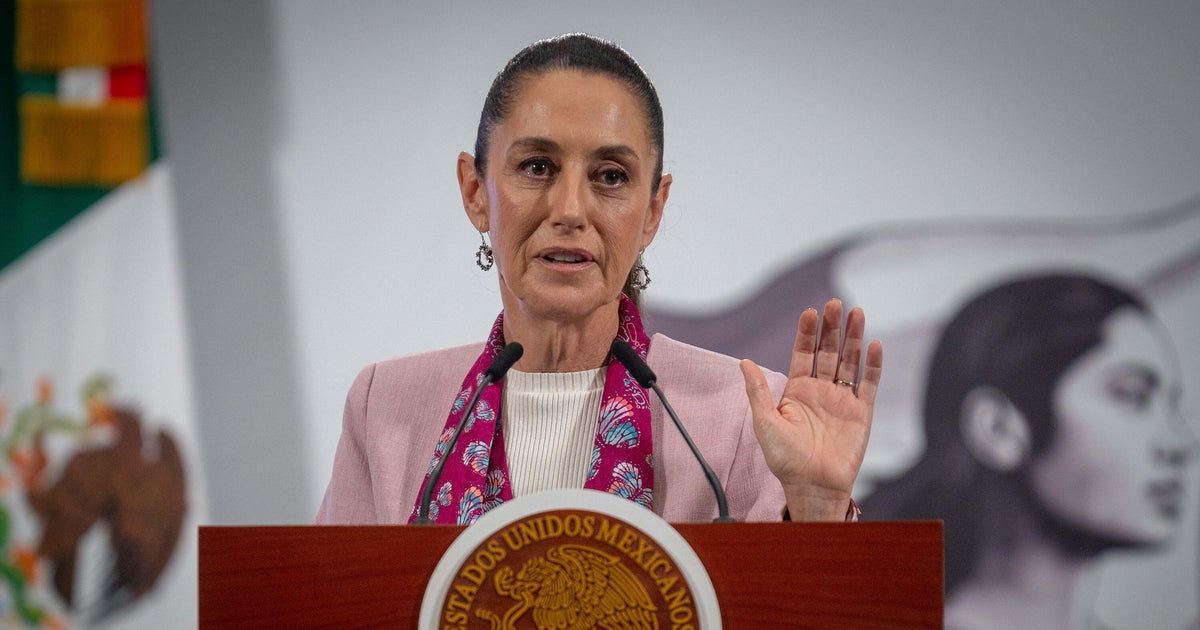
The administration’s actions haven’t been without controversy. Mexico’s President Sheinbaum immediately warned against any potential U.S. “invasion” following the February designations.
She clearly stated that Mexico favors collaboration and coordination, but will not tolerate subordination, intervention, or invasion. This underscores the delicate diplomatic balance the U.S. must maintain.Focus on the Cartel of the Suns
Two weeks ago,the administration added another Venezuelan gang,the Cartel of the Suns,to the FTO list. This group is accused of shipping hundreds of tons of narcotics into the United States over the past two decades. The U.S. Justice Department recently doubled its bounty on Venezuela’s President Nicolás Maduro to $50 million, accusing him of leading the Cartel of the Suns.
Venezuela vehemently denies these allegations, with Foreign Minister Yván Gil dismissing the bounty as a “ridiculous smokescreen.” This highlights the complex geopolitical implications of the U.S. strategy.
What Does This Mean for You?
These developments suggest a meaningful escalation in the U.S. fight against drug cartels. You can anticipate:
Increased military and intelligence operations targeting cartel leadership and infrastructure.
stricter border security measures.
Potential diplomatic tensions with countries where cartels operate.
* A shift in the narrative surrounding drug trafficking,framing it as a national security threat.
The Trump administration’s approach represents a bold,and possibly risky,gamble. Whether it will effectively dismantle cartels and stem the flow of drugs into the U.S. remains to be seen. Though, it’s clear that the rules of engagement have changed.