Ukraine Peace plan: A Detailed Look at the Proposed 20-point Framework
Negotiations continue in the search for a resolution to the conflict in Ukraine. A newly updated peace plan, spearheaded by US and Ukrainian negotiators, offers a potential pathway forward – one that includes concessions regarding territory while prioritizing Ukraine’s long-term security.This article breaks down the key elements of this 20-point plan, what it means for both Ukraine and Russia, and the next steps in the process.
The Core of the Proposal: balancing Security and Territory
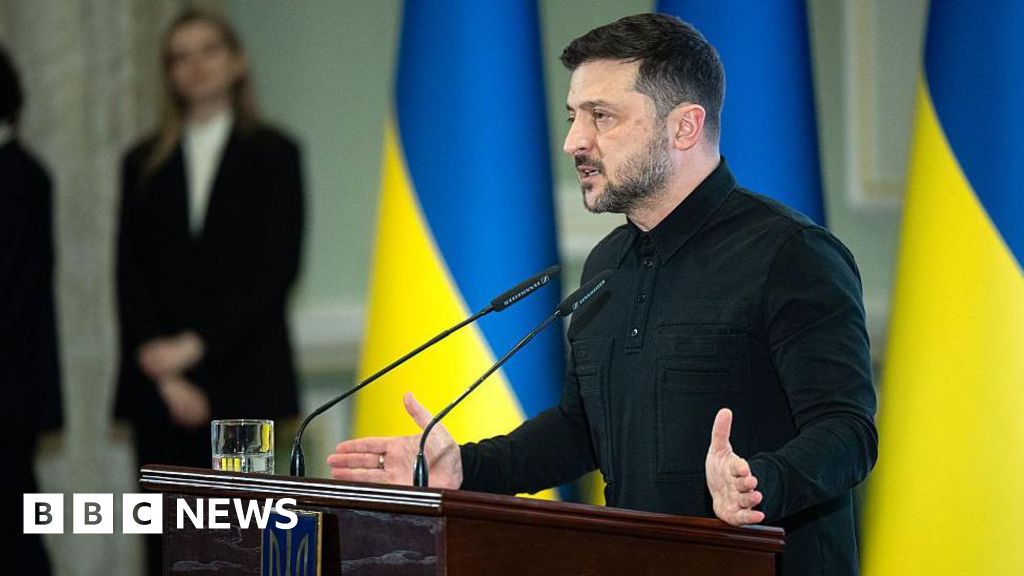
Ukrainian President Volodymyr Zelensky unveiled the details of this framework following weekend talks in Florida. The plan aims to address Russia’s demands for Ukrainian withdrawal from the eastern Donbas region, while concurrently securing robust guarantees for ukraine’s future safety. Here’s a breakdown of the central tenets:
* Security Guarantees: The plan proposes a coordinated military response, backed by the US, NATO, and European nations, should Russia re-invade Ukraine. This is a critical component for Ukraine, aiming to deter future aggression.
* Donbas Region: Recognizing the complexities surrounding the Donbas, the plan explores two primary options:
* Demilitarized Zone: Establishing a zone free of military presence.
* Free Economic Zone: Creating a special economic area with unique trade and regulatory conditions.
* Military Strength: Ukraine would maintain a considerable military force of 800,000 personnel, ensuring its ability to defend its sovereignty.
Addressing Key Territorial Concerns
The most sensitive aspect of any peace negotiation revolves around territorial disputes. This updated plan attempts to navigate these challenges with a focus on potential economic zones and reciprocal withdrawals.
* Reciprocal Withdrawal: If Ukraine were to pull back heavy forces from the 25% of the Donetsk region it still controls - by 5, 10, or 40km – Russia would be expected to mirror this withdrawal “accordingly” from its occupied territories.
* Free Economic Zones: The concept of a free economic zone isn’t limited to Donbas.The plan also proposes establishing one around the Zaporizhzhia nuclear power plant,currently under Russian control. This aims to de-escalate tensions and ensure the plant’s safety.
* Russian Troop Withdrawal: Beyond Zaporizhzhia, the plan calls for Russia to withdraw troops from four additional Ukrainian regions: Dnipropetrovsk, Mykolaiv, Sumy, and Kharkiv.
Evolution of the Plan: from 28 Points to 20
This 20-point plan isn’t entirely new. It builds upon an earlier 28-point document agreed upon weeks prior by US envoy Steve Witkoff and Russian officials. While the initial document leaned heavily towards accommodating Kremlin demands, this update reflects ongoing negotiations and attempts to balance the interests of all parties.
Recent talks in Berlin, involving US negotiators Jared Kushner and Witkoff alongside Ukrainian and European leaders, paved the way for the more detailed discussions held in Miami. There,US president Donald Trump’s team engaged separately with Russian envoy Kirill Dmitriev and then with Ukrainian and european officials.
What Happens Next?
The plan is now with Russia for review. Zelensky indicated that a response is expected within days,following consultations between US and Russian officials.
* Leaders-Level Discussions: The most challenging issues, notably those concerning territory, will ultimately require resolution at the highest levels of leadership.
* Ongoing Negotiations: This plan represents a framework, not a final agreement. Expect continued negotiations and potential modifications as both sides work towards a lasting peace.
What This Means for You and the Future of Ukraine
This peace plan represents a significant, albeit complex, step towards potentially ending the conflict. While compromises are certain, the emphasis on security guarantees and a strong Ukrainian military demonstrates a commitment to protecting Ukraine’s sovereignty.
As the situation evolves, staying informed is crucial. Understanding the nuances of this plan – and the challenges that lie ahead – will be key to comprehending the future of ukraine and the broader geopolitical landscape.