the Perilous Intersection of Politics and Monetary Policy: Lessons from History and Current Concerns
Arthur Burns‘s tenure as Federal Reserve Chair serves as a stark warning about the dangers of political interference in monetary policy.Appointed in 1970,his legacy is largely defined by contributing to a debilitating inflationary cycle that plagued the American economy for a decade. Millions lost jobs, and countless businesses failed as the nation struggled to regain economic stability.
What was the core of the problem? Burns yielded to political pressure, prioritizing a short-term boost to President Nixon’s reelection chances in 1972 over sound economic principles. He chose to pursue an accommodating monetary policy at a time when inflation was already nearing 5%. This decision proved disastrous, unleashing forces that would take years to contain.
Nixon himself openly acknowledged the dynamic at play, famously stating he expected burns to independently reach the conclusion that his opinions should be followed. Sadly,Burns obliged,succumbing to relentless pressure until after nixon secured his victory. This episode underscores a basic truth: the independence of a central bank is paramount. Compromising this independence for political expediency can have devastating consequences.
Echoes of the Past: Current pressures on the Federal Reserve
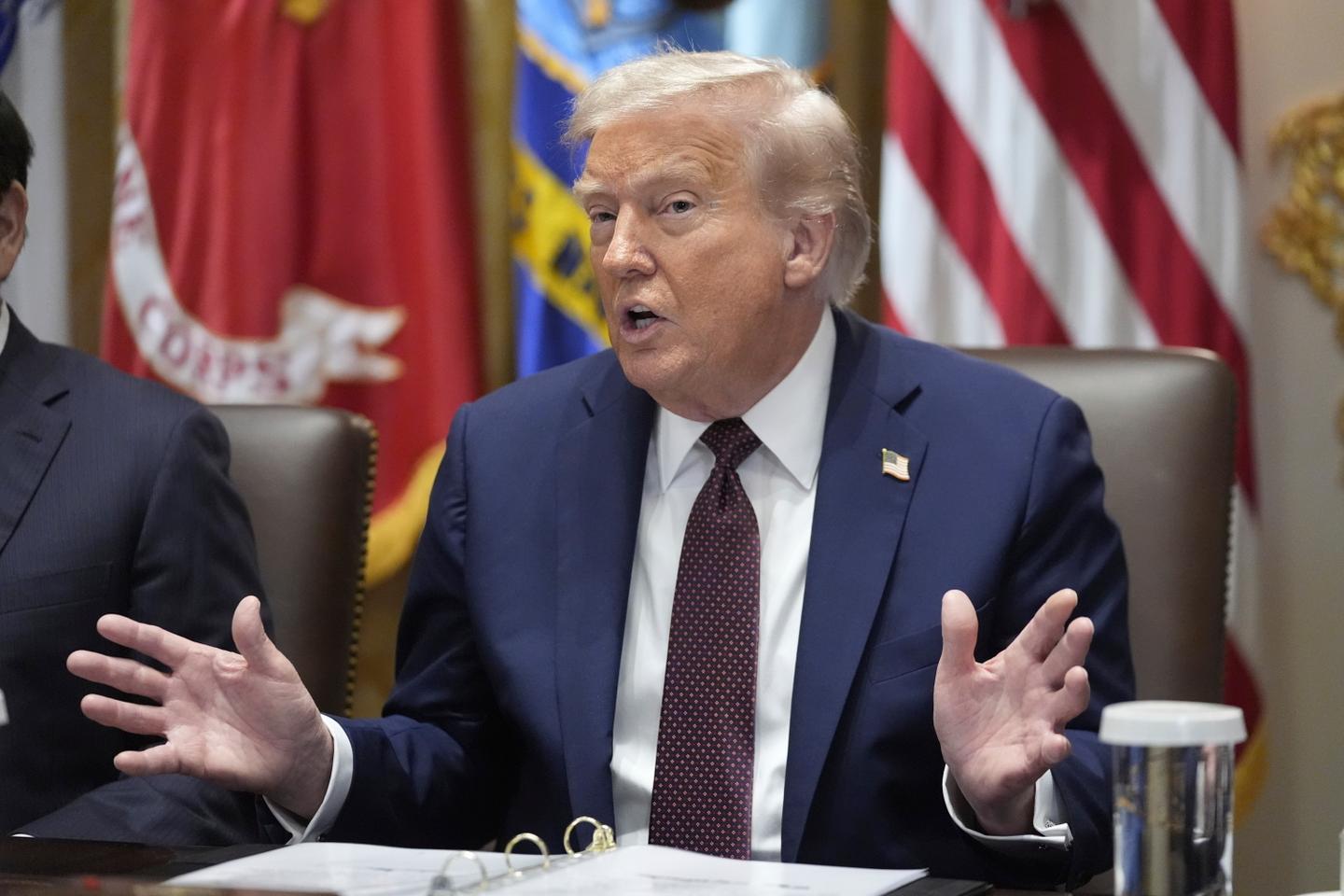
Today, we are witnessing a concerningly similar scenario unfold. Current pressures exerted on the Federal Reserve by the White House raise serious alarms. The President is vocally demanding interest rate cuts, ostensibly to bolster a slowing economy and alleviate the growing national debt.
However, this demand is deeply intertwined with a fiscally irresponsible budget policy. The United States has dramatically increased its issuance of Treasury bonds to finance escalating spending.Maintaining this trajectory requires substantially lower interest rates – a condition the administration is aggressively pushing for.
Let’s break down why this is so concerning:
Erosion of Independence: Direct calls for rate cuts undermine the Fed’s ability to make objective decisions based on economic data.
Fueling the Debt Spiral: Lower rates may provide short-term relief,but they also incentivize further borrowing,exacerbating the national debt problem.
Inflationary Risks: Artificially low rates can reignite inflationary pressures, undoing the progress made in recent years.
Long-Term Economic Instability: Prioritizing short-term political gains over long-term economic health creates a fragile foundation for future prosperity.
What does this mean for you?
As an investor, a business owner, or simply a concerned citizen, you need to understand the implications of these developments. A politicized Federal Reserve is a risk to your financial security and the overall health of the economy.
The lessons from the Burns era are clear. A central bank must be free to act in the best long-term interests of the nation, even if those interests conflict with short-term political objectives. Protecting that independence is not merely an economic imperative; it’s a safeguard for your future.It’s crucial to remember that monetary policy operates with a lag. The effects of today’s decisions won’t be fully felt for months, even years. Therefore, a hasty response to perceived economic weakness, driven by political considerations, could easily lead to unintended and damaging consequences.
ultimately,a stable and prosperous economy requires a Federal Reserve that is both independent and accountable – a delicate balance that must be vigilantly protected.