Former President Donald Trump has expressed public frustration with members of the Republican Party, signaling a widening rift between his preferred legislative agenda and the actions of GOP lawmakers on Capitol Hill. According to reports from various political analysts, Trump has characterized the efforts of some congressional Republicans as insufficient, suggesting they are failing to adhere to the political roadmap he envisions for the party.
The tension centers on a perceived lack of alignment between the former president’s priorities—often focused on specific messaging and populist policy initiatives—and the legislative strategies favored by some GOP leadership and rank-and-file members. This friction comes as the party attempts to maintain a unified front ahead of future electoral cycles, with observers noting that the discord could impact the party’s ability to mobilize its base effectively.
Legislative Friction and Party Alignment
At the heart of the current dispute is the question of party discipline and the extent to which Republican lawmakers should prioritize the former president’s specific demands. While some GOP members continue to maintain close political ties to Trump, others have begun to distance themselves, particularly on issues involving institutional norms and legislative process. According to USA Today, a number of Republican lawmakers have bucked the former president on key procedural votes, highlighting a strategic divide within the caucus.
This dynamic has prompted criticism from Trump, who has suggested that the current party leadership is not adequately reflecting his vision. Analysts monitoring the situation note that this creates a difficult environment for the party, as lawmakers must balance their own district-specific political needs with the demands of the party’s most influential figure. The disagreement often manifests in debates over how much focus to place on past election grievances versus forward-looking policy platforms.
The Risk of Electoral Consequences
Political strategists and observers have warned that a persistent focus shift—away from issues deemed essential by the broader Republican base—could carry risks for the party in upcoming elections. According to reporting by MSN, some party officials have expressed concern that internal conflicts and a lack of clear, unified messaging could lead to losses in competitive districts. The concern is that if the party appears divided, swing voters may be less inclined to support Republican candidates.
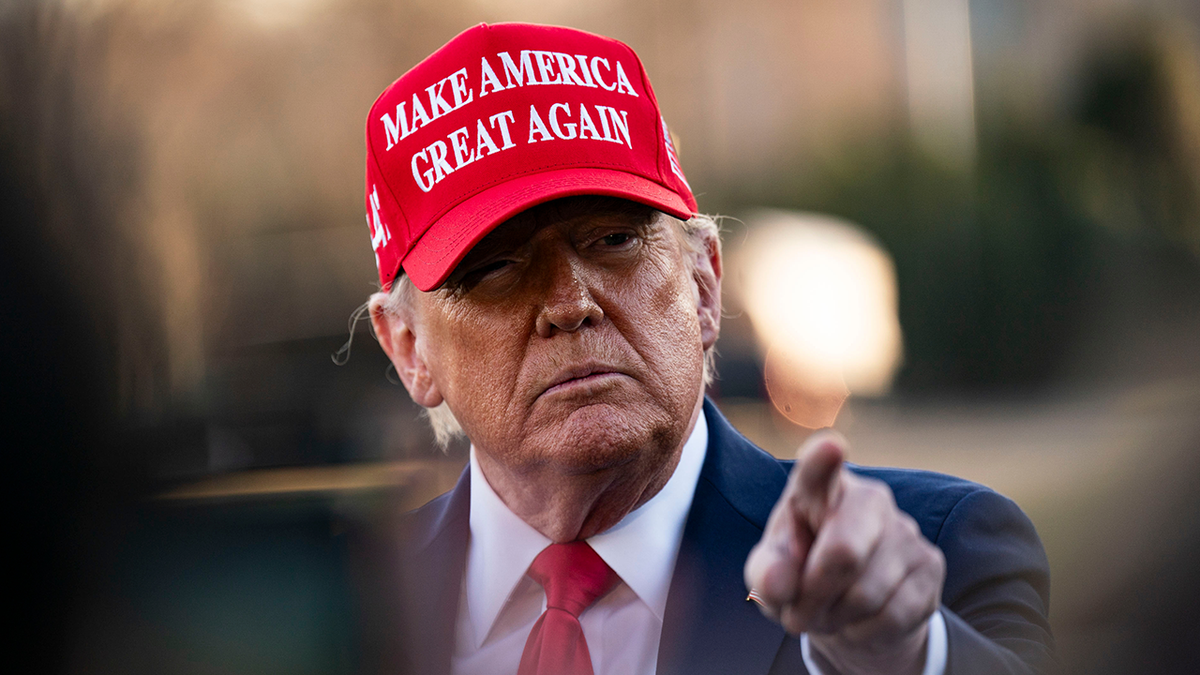
The internal debate is complicated by the fact that the party remains a coalition of varying ideological factions. While Trump maintains significant influence over the base, his ability to enforce a strict legislative roadmap has been tested by the realities of a slim congressional majority. When lawmakers prioritize local concerns or traditional legislative pragmatism over the former president’s stated goals, it creates the friction that has become a defining feature of the current Republican landscape.
Analyzing the Shift in Party Dynamics
The current situation is not entirely without precedent, but the intensity of the public disagreement is notable. According to analysis from Newsweek, the former president’s tendency to publicly critique his own party members can complicate the legislative process, as it forces lawmakers to choose between their relationship with the party base and their institutional responsibilities. This creates a cycle where the party is frequently reacting to internal grievances rather than setting the political agenda.
Observers point out that this is a departure from traditional party structures, where leadership would typically manage such disagreements behind closed doors. By bringing these disputes into the public eye, the former president has altered the traditional communication channels between party leadership and the rank-and-file. This has resulted in a legislative environment where public posturing often takes precedence over coalition building.
What Happens Next
As the party looks toward the next legislative session and future campaign cycles, the primary challenge remains the reconciliation of these competing visions. The next major checkpoint for these dynamics will be the upcoming series of primary contests and legislative debates scheduled for later this year, where the influence of the former president’s endorsements and policy preferences will again be tested. Official updates regarding legislative schedules and committee assignments can be monitored through the U.S. House of Representatives and U.S. Senate websites.
The ongoing tension between the former president and congressional Republicans remains a fluid situation. As more details emerge regarding specific legislative battles and candidate endorsements, the impact on the party’s overall electoral strategy will become clearer. Readers are encouraged to share their thoughts and follow our continued coverage of these developments.
- Grasshopper Fire Nears Highway 35 as National Guard Deploys to Oregon Wildfires
- Whitney Houston Iconic Music Video Look Recreated in New Estate-Approved Doll
- Trump Pushes SAVE Act to Mandate Voter ID and Proof of Citizenship (newsdirectory3.com)
- Tariff vs. Price Floor: What Trump's New Solar Rule Does (daybreakwire.com)