
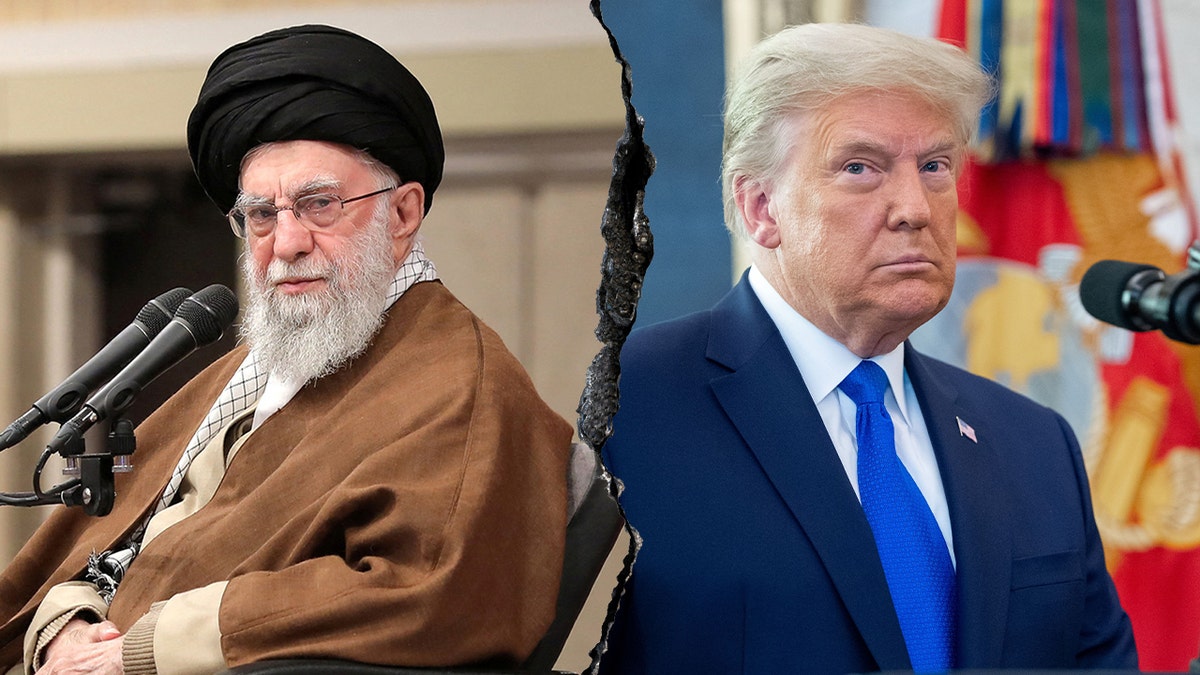
Tensions between Washington and Tehran have reached a critical flashpoint as the Iran-US war latest developments point toward a high-stakes confrontation over one of the world’s most vital maritime chokepoints. The situation has escalated rapidly following a series of aggressive communications from the White House and a defiant response from the Iranian leadership.
At the center of the current crisis is the Strait of Hormuz, a narrow waterway essential for global energy supplies. President Donald Trump has issued a stark warning to Iran, declaring that a specific deadline regarding the strait is final via NBC News. This ultimatum has placed the international community on high alert, as any disruption to the flow of oil through the region could trigger immediate global economic instability.
The rhetoric has shifted from diplomatic pressure to overt threats of military action. While the United States maintains its position on the Hormuz deadline, Tehran has signaled that it will not be intimidated by the administration’s approach, warning of a severe military response if its sovereignty or interests are compromised.
Escalation in the Strait of Hormuz
The Strait of Hormuz is frequently cited as a primary vulnerability in global trade. The current friction stems from the U.S. Administration’s demands and the perceived threats against Iranian interests in the region. According to reports, President Trump’s communication regarding the strait has been described as containing “expletive-laden threats,” which have further polarized the two nations via The Guardian.
The U.S. Strategy appears focused on a “final deadline” approach, attempting to force Iranian compliance through the threat of overwhelming force. For the global shipping industry, this creates an environment of extreme uncertainty, as the strait is the only sea route from the Persian Gulf to the open ocean.
Iran’s Warning of ‘Devastating’ Retaliation
Tehran has responded to the U.S. Ultimatums with a promise of severe consequences. Iranian officials have warned of “devastating” retaliation in direct response to the threats made by President Trump via The Guardian. This language suggests that Iran is prepared to move beyond diplomatic protests and employ its military capabilities to secure its interests.
The potential for miscalculation is high. In a region where military assets are closely deployed, a single incident in the Strait of Hormuz could rapidly spiral into a broader conflict. Military analysts suggest that Iran’s capability to disrupt shipping—through the use of mines, fast-attack craft, or shore-based missiles—remains a potent deterrent against U.S. Naval dominance.
Diplomatic Efforts and Ceasefire Proposals
Despite the aggressive rhetoric, there are indications that diplomatic channels remain open, albeit strained. Tehran has recently announced that it has formulated a response to various ceasefire proposals via Al Jazeera. This suggests that while the public face of the conflict is one of threats and deadlines, there is a simultaneous effort to uncover a political exit strategy.

The formulation of this response is a critical step. If the proposed terms are acceptable to both parties, the immediate risk of war could be mitigated. However, the gap between the U.S. Demand for “final” compliance and Iran’s demand for the removal of pressure remains vast.
Key Takeaways of the Current Crisis
- U.S. Position: President Trump has set a final deadline for Iran regarding the Strait of Hormuz, utilizing high-pressure rhetoric to achieve compliance.
- Iranian Position: Tehran has warned of “devastating” retaliation and is currently reviewing ceasefire proposals.
- Global Risk: The primary concern is the potential for a naval clash in the Strait of Hormuz, which would threaten global oil supplies and economic stability.
- Diplomatic Status: Ceasefire discussions are ongoing, though the public tone remains hostile.
The international community continues to monitor the situation closely, with particular focus on the expiration of the U.S.-mandated deadline. The next confirmed checkpoint will be the official delivery and reaction to Tehran’s formulated response to the ceasefire proposals, which could determine whether the region moves toward a fragile peace or an open conflict.
World Today Journal will continue to provide updates as this story develops. We invite our readers to share their perspectives on the diplomatic efforts in the comments section below.