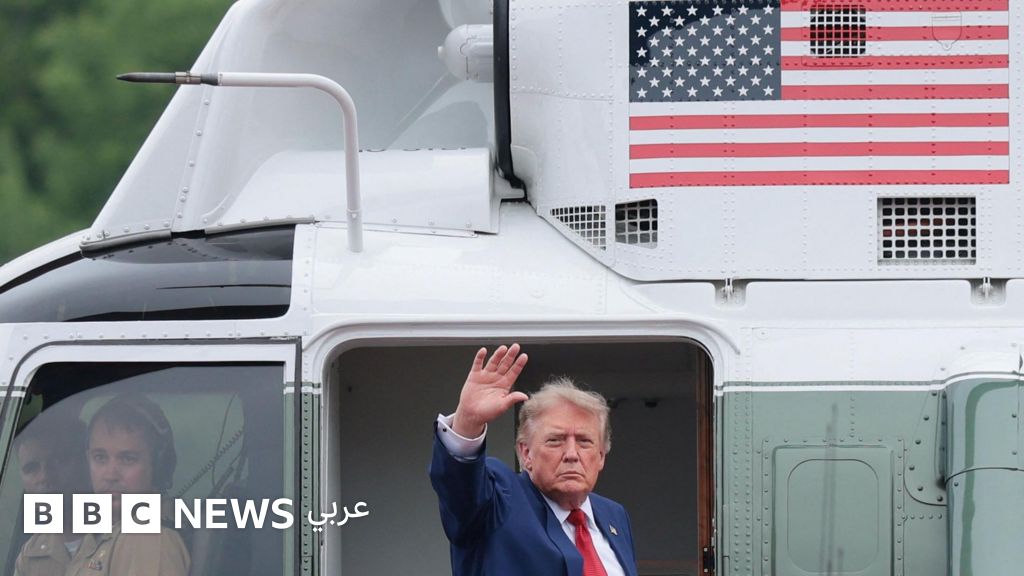
United States President Donald Trump stated on Wednesday that he does not trust Iran, asserting that the United States controls the Strait of Hormuz completely amid an escalating five-month regional conflict.
The hardening diplomatic and military stances have rattled global markets, driving up crude oil prices and weighing on international equities. With oil and liquefied natural gas flows passing through the waterway prior to the war, the prolonged closure underscores mounting economic pressures on global energy supplies as diplomatic channels appear deadlocked.
The confrontation has also drawn in regional actors, including Houthi forces in Yemen. According to Reuters and statements cited by the Saba news agency, Houthi authorities confirmed carrying out an attack on a Saudi military equipment transport ship in the Bab el-Mandeb strait on Tuesday, further intensifying security risks across crucial Middle Eastern shipping lanes.
Strait of Hormuz Closure Triggers Global Market Volatility
The standoff intensified after Mohsen Rezaei, the secretary-general of Iran’s Supreme National Security Council, declared on Tuesday that the Strait of Hormuz will stay shut.
Those conditions represent a direct rebuttal to demands issued earlier by Washington. President Trump insisted on Monday that Tehran must pay compensation for deaths resulting from wars, attacks, and protests over the last 50 years. The starkly contrasting positions have effectively stalled diplomatic momentum aimed at resolving the five-month war.
Financial markets reacted swiftly to the deepening impasse. Benchmark Brent crude futures climbed 1.4 percent to settle at $88.91 per barrel, while U.S. West Texas Intermediate crude increased 1.3 percent to close at $83.20 per barrel, reflecting growing trader pessimism over a near-term resolution to the maritime blockade.
President Trump Details Security Concerns and Diplomatic Stance
Addressing reporters on Wednesday, President Trump elaborated on his administration’s security posture and personal safety measures reported by Reuters and Shafaq News. He remarked that he faces many threats as a decisive president, noting that an aircraft he boarded after departing on a secret military flight from Turkey last month was at greater risk amid reports of a potential Iranian threat to assassinate him.
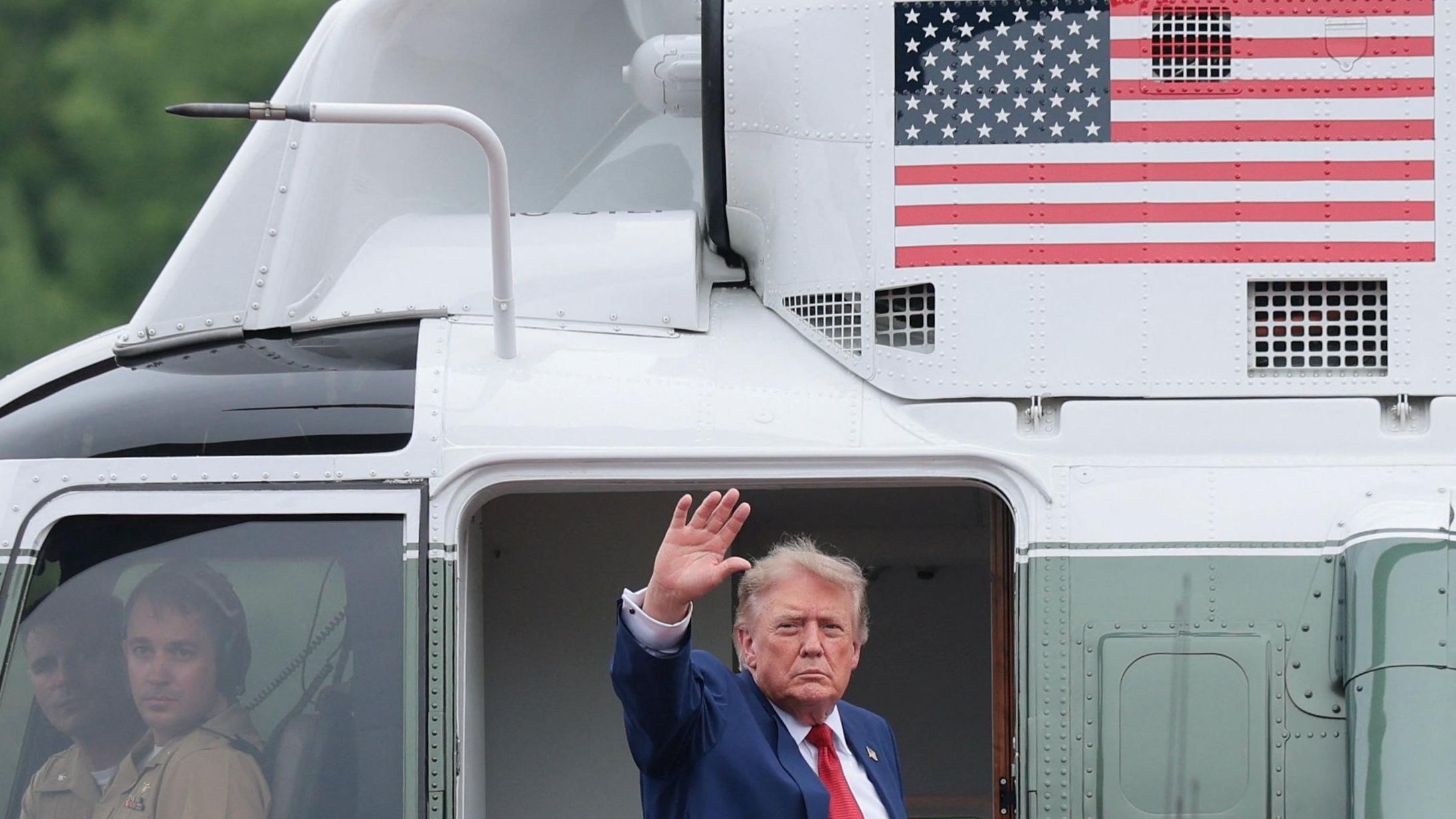
Describing the logistical adjustments required during that transit—which involved transferring from one aircraft to another on a food transport truck due to security concerns—Trump maintained that the United States controls the Strait of Hormuz completely. Despite the confrontational rhetoric, the U.S. leader indicated in recent media appearances that he may be content to “wait,” characterizing Iranian officials as very cunning negotiators while maintaining economic and military pressure.
Observers note that the appointment of Rezaei as the second-highest official in the council responsible for coordinating Iran’s security and foreign policy signals a more uncompromising approach from Tehran. With Washington yet to formally respond to the latest conditions outlined by the Iranian Supreme National Security Council, international shipping authorities and energy markets remain on high alert for further developments.
Keep reading
- Jose Altuve Shares a Laugh with Teammates Ahead of Astros-Giants Game in San Francisco
- Hindu Swastika vs. Nazi Hakenkreuz: Indian-Origin Student Sparks US School Debate
- Pax Silica: Driving Economic Growth and Industrial Development in Central Luzon (archyworldys.com)
- Federal Judge Blocks Trump Mail-In Voting Order Nationwide (world-today-news.com)