
The relationship between the White House and the Vatican has entered a period of unprecedented volatility as President Donald Trump and Pope Leo XIV engage in a public and increasingly personal feud. The conflict, which has played out across social media and international press briefings, centers on the administration’s aggressive foreign policy and the Pope’s insistence on the primacy of peace and multilateral diplomacy.
At the heart of the dispute is the U.S.-led military effort in Iran and interventions in Venezuela. Pope Leo XIV, the first U.S.-born pope and a native of Chicago, has emerged as a prominent critic of these conflicts, calling for a shift away from what he describes as a “delusion of omnipotence” that fuels global warfare. This stance has prompted a scathing response from President Trump, who has questioned the Pope’s leadership and political leanings.
The tension reached a boiling point on Sunday, April 12, 2026, when the president launched a broadside against the pontiff via Truth Social. Trump suggested that the global leader of the Catholic Church is “not doing a very good job,” characterized him as a “very liberal person,” and urged him to stop “catering to the Radical Left.”
The rhetoric extended beyond policy disagreements into provocative imagery. Shortly after his critique, the president posted a meme depicting himself as Jesus Christ tending to a sick man, an image that has drawn widespread criticism for its perceived blasphemy. Trump later admitted to posting the image, framing it as a depiction of himself as a healer.
A Vatican Rooted in the Gospel
Pope Leo XIV responded to the president’s attacks on Monday, April 13, 2026, while preparing to depart for an apostolic journey to Africa. Speaking to reporters, the Pope remained composed, stating, “I have no fear of the Trump administration.” He emphasized that his appeals for reconciliation and peace are not political maneuvers but are rooted deeply in the Gospel.
The pontiff clarified that his criticisms are not directed at any specific individual but are general appeals for humanity. “I will not enter into debate,” Leo said, noting that his message is centered on the biblical directive, “Blessed are the peacemakers.” He further asserted that he would continue to speak out against war and promote dialogue and multilateral relationships among states to find just solutions to global problems.
This clash highlights a fundamental divergence in philosophy: while President Trump maintains he is doing “exactly what I was elected, IN A LANDSLIDE, to do,” the Pope argues that the human cost of war is too high. Leo noted that “too many innocent people are being killed” and insisted that there is a better way to handle international disputes than through military force.
Historic Diplomacy Amidst Discord
Despite the friction with Washington, Pope Leo XIV is proceeding with a significant diplomatic mission. He has embarked on an 11-day apostolic journey to Africa, which includes a historic first-ever papal trip to Algeria. The visit is designed to promote Christian-Muslim coexistence during a time of heightened global conflict and to honor the spirituality of St. Augustine, who was born in the region.
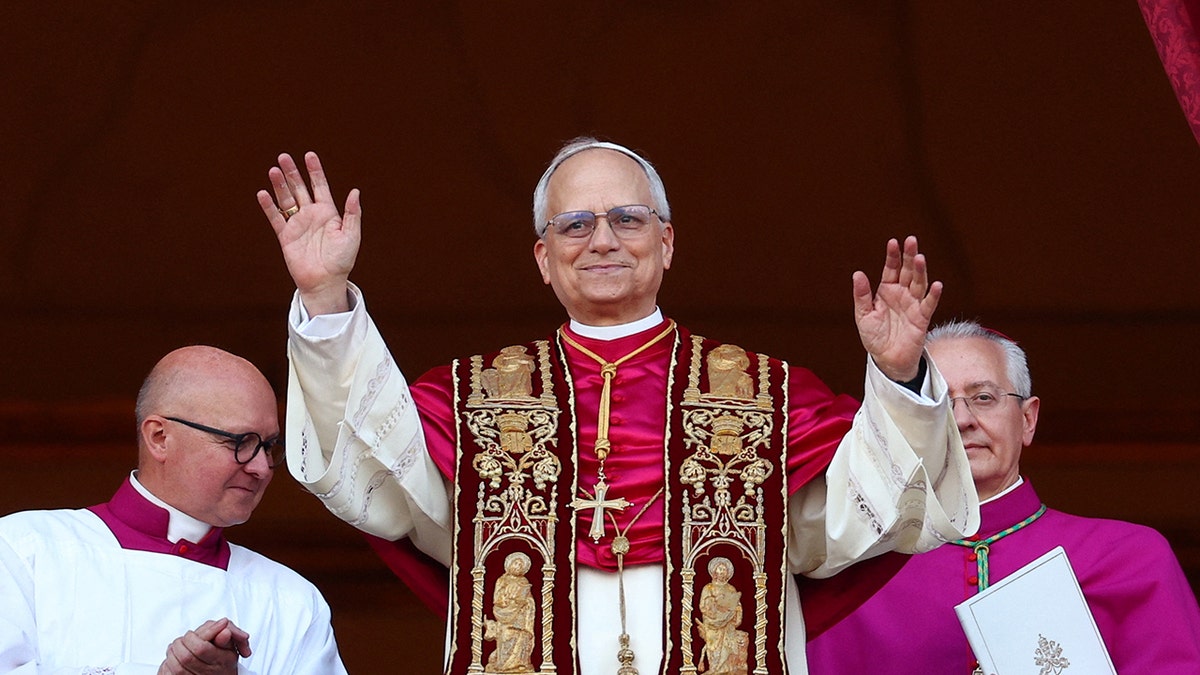
The timing of the tour adds another layer of complexity to the feud. As the Pope seeks to build bridges of peace in North Africa, he is simultaneously navigating a public rift with the leader of his own birth country. Observers note that the Pope’s focus on “building bridges of peace and reconciliation” stands in direct contrast to the administration’s current military posture in the Middle East and South America.
Key Points of the Trump-Leo Conflict
| Issue | President Trump’s Position | Pope Leo XIV’s Position |
|---|---|---|
| Iran War | Executing a mandate to act decisively against Iran. | Condemns the war; calls it a “delusion of omnipotence.” |
| Venezuela | Supports military action to achieve objectives. | Opposes military action; advocates for dialogue. |
| Political Leanings | Views the Pope as “very liberal” and aligned with the “Radical Left.” | States his role is not political but rooted in the Gospel. |
| Leadership | Claims he took credit for the Pope’s election; says Leo is not “doing a very good job.” | Maintains a mission to be a “peacemaker” and protect innocent lives. |
The Broader Impact on International Relations
The feud is not merely a personal clash between two powerful men; it has implications for the U.S. Government’s relationship with the Catholic Church and its global diplomatic standing. The Catholic Church remains one of the world’s most influential non-state actors, and a public rift with the papacy can complicate diplomatic efforts in regions where the Church holds significant sway, particularly in Latin America and Africa.
The president’s approach—characterized by Truth Social attacks and the use of provocative memes—represents a departure from traditional diplomatic protocols between the U.S. Presidency and the Holy See. While Trump has previously claimed a positive influence on the Pope’s election, the current environment is one of mutual frustration.
For the Vatican, the conflict provides an opportunity to reiterate its commitment to non-violence and multilateralism. By continuing his tour of Africa despite the rhetoric from Washington, Pope Leo XIV is signaling that the Church’s mission transcends the political cycles of any single nation, including the United States.
As the Pope continues his visits to four African countries, the world will be watching to see if the administration attempts to further escalate the rhetoric or if a diplomatic off-ramp can be found. For now, the “peacemaker” and the “landslide” winner remain at a stalemate, with the Gospel and the Truth Social feed serving as their respective platforms.
The next major checkpoint for this developing story will be the conclusion of the Pope’s 11-day tour of Africa, where any final statements regarding global peace and conflict may further define the boundaries of this diplomatic divide.
World Today Journal encourages readers to share their perspectives on the intersection of faith and foreign policy in the comments below.
Worth a look