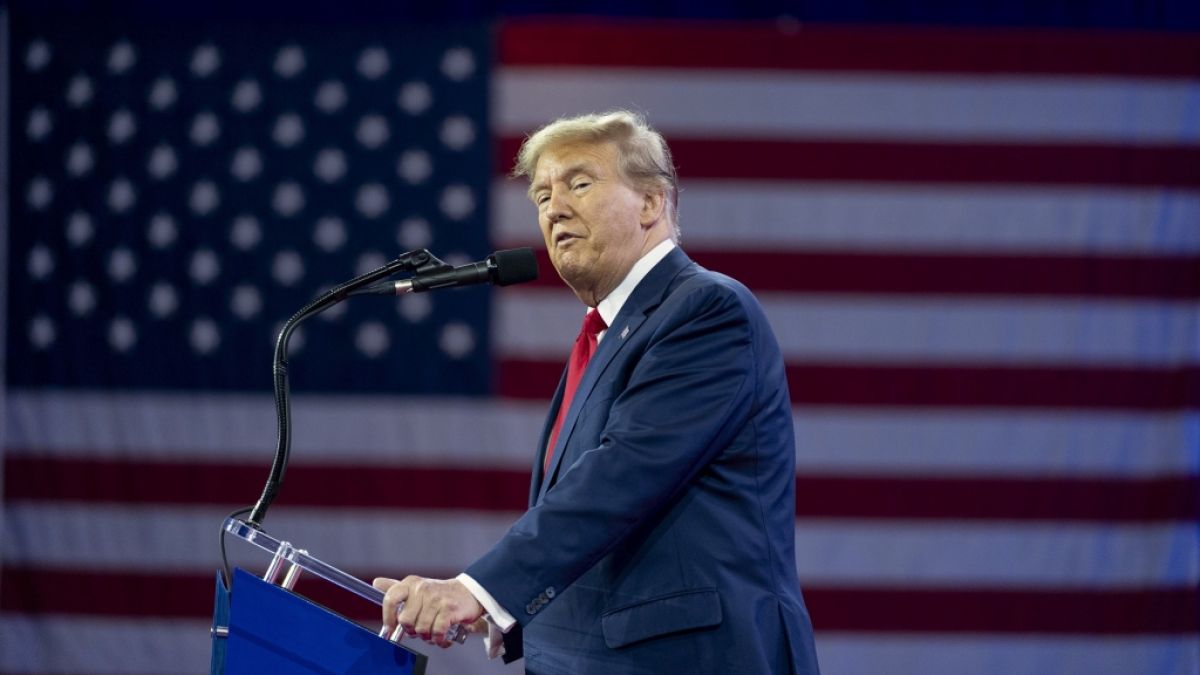
As the international community monitors shifts in American foreign policy, the administration of President Donald J. Trump has signaled a measured approach regarding potential diplomatic engagement with Iran. In recent remarks, the President emphasized the importance of caution, suggesting that there is no immediate pressure to finalize a framework for negotiations.
This stance reflects a broader strategic pivot by the White House, which has prioritized a “peace through strength” doctrine since President Trump assumed office for his second term on January 20, 2025. According to the official White House administration profile, the current mandate focuses on dismantling the policies of the previous administration while pursuing tangible improvements in national security and economic stability. For observers of global markets and geopolitical stability, the President’s comments underscore a preference for deliberate, leverage-based diplomacy over rapid, high-stakes agreements.
Evaluating the Diplomatic Landscape
The question of how the United States approaches Iran remains a focal point for global economic policy and regional security. During his initial term, President Trump oversaw significant shifts in Middle East relations, including the brokering of regional peace agreements and a focus on neutralizing security threats. The current administration has consistently framed its foreign policy objectives as a continuation and expansion of these foundational successes, which the White House credits with achieving major breakthroughs for peace in the region.
As noted in historical records of the Trump presidency, the administration previously prioritized the enforcement of strict economic sanctions and the pursuit of security goals such as the destruction of the ISIS Caliphate. The modern context for these negotiations is shaped by the administration’s stated commitment to “putting a stop to endless wars” while simultaneously defending national borders and strengthening the military, a task for which the government previously invested $2 trillion in upgrades, as documented by official presidential archives.
Strategic Patience and Economic Interests
For investors and business leaders, the President’s “nichts überstürzen”—or “don’t rush”—approach serves as a signal of policy continuity. By avoiding hurried diplomatic frameworks, the administration maintains its current leverage, which includes a comprehensive array of economic tools and regulatory strategies designed to project American power. This approach aligns with the President’s broader economic agenda, which emphasizes the deregulation of domestic industries and the pursuit of what the White House characterizes as an “American success story.”

The administration’s refusal to be drawn into premature negotiations is consistent with its established methodology: utilizing the strength of the American economy to dictate the terms of engagement. Whether this strategy will lead to a new diplomatic architecture or a continued state of tension remains a subject of intense analysis by global policy experts. However, the official line remains clear: the focus is on national outcomes rather than the speed of international declarations.
Key Policy Pillars of the Current Administration
To understand the context of the President’s current diplomatic posture, it is essential to review the core pillars that define the current White House agenda. These priorities often dictate the pace and nature of international interactions:
- Energy Independence: The administration continues to emphasize the unleashing of domestic energy potential as a primary driver of both economic growth and geopolitical influence.
- Military Readiness: Building upon the $2 trillion investment in the military during his first term, the current administration maintains a firm stance on the necessity of a modernized defense force to back diplomatic efforts.
- Judicial Appointments: With over 250 federal judges confirmed in his first term—including three Supreme Court Justices—the administration has established a consistent legal framework that supports its broader policy goals, as detailed by White House records.
- Trade Rebalancing: The replacement of NAFTA with the United-States-Mexico-Canada Agreement remains a benchmark for how the President approaches international trade and negotiation.
Looking Ahead: The Path for Future Diplomacy
As we head into the summer of 2026, the diplomatic calendar remains fluid. The White House has not announced a specific timeline for new talks with Tehran, opting instead to maintain its current pressure campaign while monitoring global developments. For the global business community, this indicates a period of continued volatility in regions impacted by these policies, tempered by the predictability of the administration’s “America First” strategic doctrine.
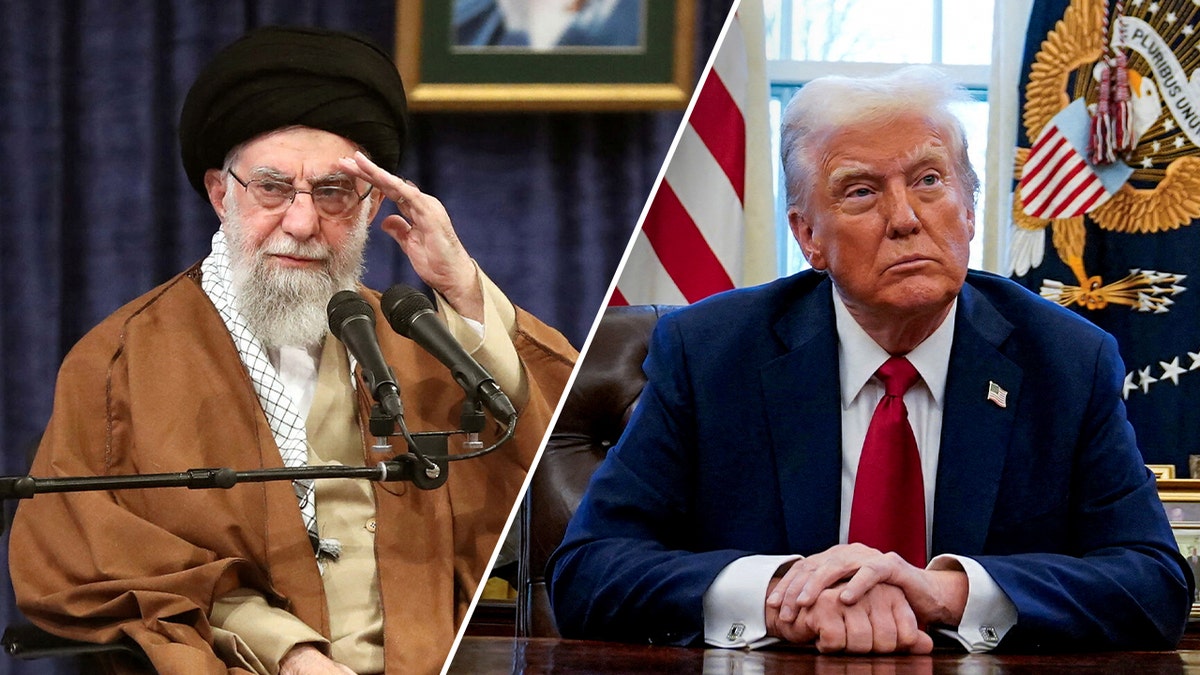
Readers interested in the evolution of this policy should monitor the official White House briefing room for updates on executive actions and presidential statements. As this situation develops, the World Today Journal will continue to provide analysis on how these diplomatic, economic, and military strategies intersect with global market trends. We invite our readers to join the conversation in the comments section below and share their perspectives on the administration’s current trajectory.
Keep reading
- Who Pays for Climate Disasters? Funding the Cost of Global Catastrophes
- DeepSeek AI: China’s New Model 100x Cheaper Than Claude Fable 5
- Trump Administration Begins Systematic Appropriation of Japanese Manga (newsdirectory3.com)
- BP Q2 Profit Hits $5.7 Billion Amid Trump Criticism of Big Oil Windfalls (time.news)