
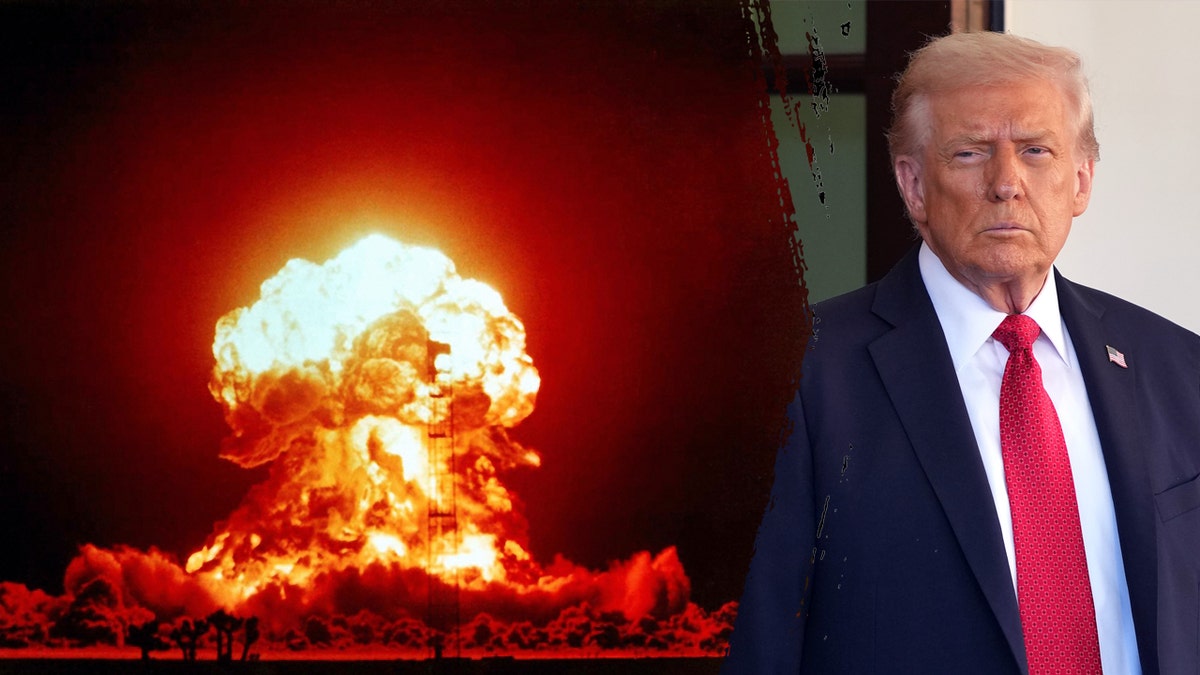
As the international community monitors the evolving geopolitical landscape in the Middle East, the rhetoric surrounding U.S.-Iran relations remains a focal point of global policy discourse. Former President Donald Trump has recently reiterated his stance on the Islamic Republic, emphasizing a strategy of pressure while maintaining a position that a potential nuclear deal remains a possibility under specific, stringent conditions. This approach, which he has characterized as moving “slowly but surely,” reflects a long-standing tension between the desire for diplomatic outcomes and the use of economic and military posturing to influence Tehran’s regional behavior.
The core of this debate centers on the future of U.S. Policy toward Iran, a subject that has seen significant shifts since the United States withdrew from the Joint Comprehensive Plan of Action (JCPOA) in 2018. The U.S. Department of State maintains that its primary objective remains preventing Iran from acquiring a nuclear weapon, a goal that continues to shape the administration’s ongoing diplomatic outreach and regional security architecture. Understanding these dynamics is essential for global observers, as the policy decisions made in Washington and Tehran have profound implications for energy markets, regional stability and international non-proliferation efforts.
Strategic Pressure and the Nuclear Non-Proliferation Objective
The dialogue regarding a potential deal with Iran is deeply rooted in the history of the 2015 nuclear agreement. Following the U.S. Withdrawal, the administration implemented a “maximum pressure” campaign, which included the imposition of extensive economic sanctions. According to the Congressional Research Service, these measures were designed to curtail Iran’s ballistic missile program and its support for regional proxies. The current discourse, as highlighted by various political commentators, centers on whether a new, more comprehensive agreement can be reached that addresses both nuclear enrichment levels and broader regional security concerns.
Trump’s recent comments regarding a “slow” approach to negotiations suggest a preference for maintaining current leverage rather than rushing into a framework that he argues might not sufficiently restrict Iran’s nuclear ambitions. This perspective is mirrored by various stakeholders who advocate for a “longer and stronger” deal. However, the path forward remains fraught with diplomatic hurdles. As noted by the International Atomic Energy Agency (IAEA), which continues to monitor Iranian nuclear sites, the transparency of the program is a critical metric for any future diplomatic progress.
Regional Stability and the “Moderate” Military Narrative
A recurring theme in the discussion of Middle Eastern security is the nature of the Iranian military apparatus. Analysts often distinguish between the conventional military forces and the Islamic Revolutionary Guard Corps (IRGC). While rhetoric in Washington often targets the IRGC for its influence in regional conflicts, there have been nuanced discussions regarding the Iranian military establishment’s internal dynamics. The Office of the Director of National Intelligence has consistently assessed that Iran’s primary security strategy is focused on deterrence and maintaining its influence through asymmetric means.
The complexity of these relationships means that any shift in U.S. Policy—whether it involves easing sanctions or increasing military deployments—carries significant risk. For global markets, the primary concern is the stability of the Strait of Hormuz, a vital chokepoint for global oil supplies. As reported by the U.S. Energy Information Administration, any disruption in this region can have immediate and volatile impacts on global energy prices, affecting economies far beyond the Middle East.
Key Considerations for Global Observers
- Nuclear Transparency: The role of the IAEA remains paramount in verifying the nature of Iran’s enrichment activities.
- Economic Sanctions: The impact of U.S. Financial restrictions continues to be a primary tool of geopolitical leverage.
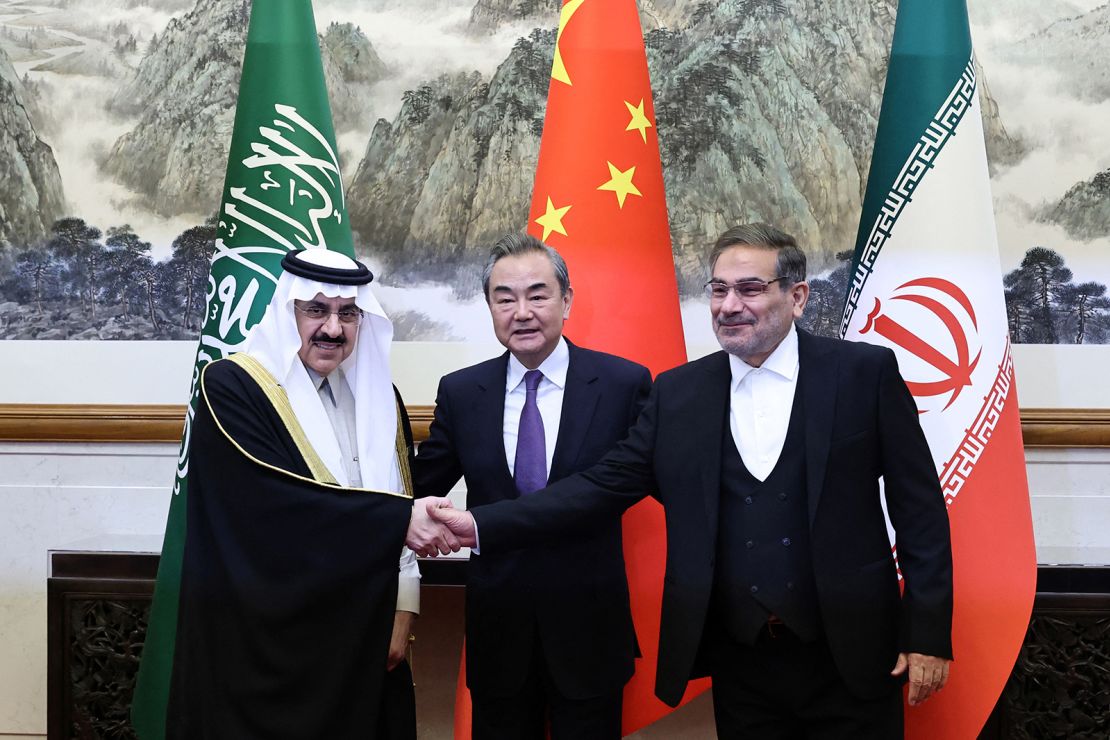
- Regional Alliances: The shifting alignment of Middle Eastern nations, including the normalization efforts between Arab states and regional powers, plays a critical role in the broader security calculus.
- Diplomatic Channels: The use of intermediaries and back-channel communications remains the most likely pathway for any future de-escalation.
What Happens Next: Monitoring the Diplomatic Clock
As the situation develops, observers are directed to look toward upcoming quarterly board meetings of the IAEA and any official statements released by the U.S. State Department regarding their stance on non-proliferation talks. These official channels provide the most accurate assessment of whether the “slow and steady” approach will yield formal negotiations or if the current status quo of standoff will persist. The United Nations Security Council also remains the primary body for overseeing international resolutions related to Iranian nuclear activity.
For those tracking these developments, This proves essential to rely on primary source documentation, such as official transcripts from the Department of State or reports filed by international monitoring bodies, rather than speculation. The complexity of these negotiations ensures that any breakthrough will likely be signaled by measurable shifts in policy, such as the lifting of specific sanctions or the granting of increased access to nuclear sites, rather than immediate, broad-sweeping agreements.
We invite our readers to join the conversation regarding these critical global developments. As the situation remains fluid, your insights and questions are valuable to the discourse. Please share this analysis and keep a close watch on our news section for further updates as they emerge from official government briefings.