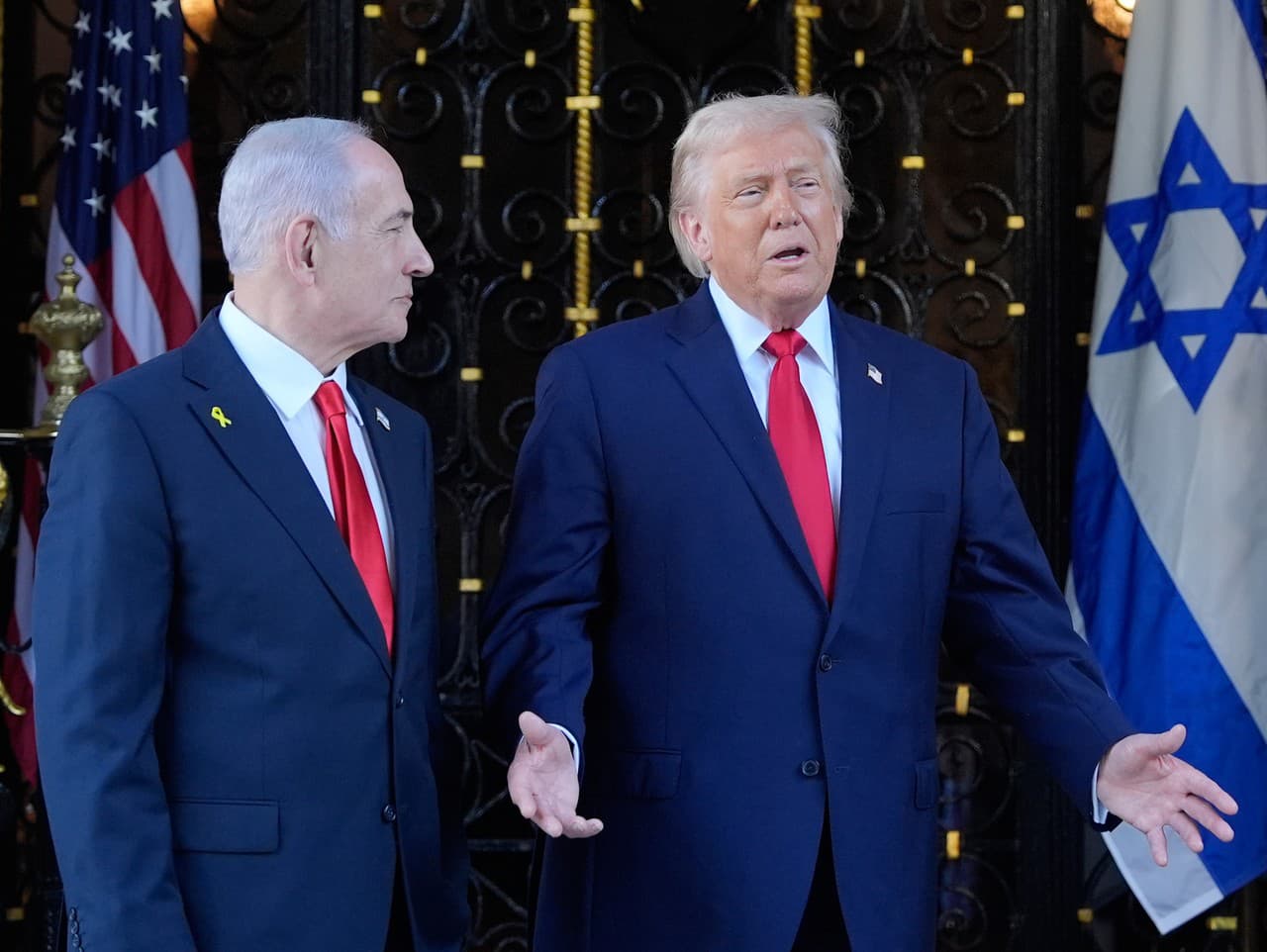
Donald Trump has reportedly issued a blunt warning to Israeli Prime Minister Benjamin Netanyahu, suggesting that Israel could find itself without significant United States support should it engage in a full-scale military confrontation with Iran. This reported shift in tone comes as regional tensions escalate, with reports indicating Israel is preparing significant military responses to Iranian aggression and conducting operations along the Lebanese border.
The reported warning marks a potential departure from the traditionally unconditional support the United States has provided to Israel, signaling a more transactional or cautious approach to Middle East geopolitics. As the conflict between Israel and its regional adversaries—including Iran and Hezbollah—reaches new levels of intensity, the prospect of a diminished American safety net has become a central concern for Israeli leadership and international diplomats alike.
This development is unfolding against a backdrop of kinetic warfare in Lebanon, where Israeli airstrikes have recently targeted southern cities such as Tyre, resulting in civilian casualties. The intersection of high-level political warnings and immediate military escalation suggests a period of profound instability for the Middle East.
What did Donald Trump reportedly tell Benjamin Netanyahu?
According to reports circulating regarding recent high-level communications, former President Donald Trump has adopted an unfiltered stance toward Prime Minister Benjamin Netanyahu. The core of the message, as characterized by various political observers and reports from outlets like Axios, is a warning of strategic isolation. Trump reportedly suggested that if Israel chooses to pursue a direct and large-scale war with Iran, it may have to face the consequences without the extensive military and diplomatic backing traditionally afforded by Washington.
This “unfiltered” rhetoric, often described by analysts as a departure from standard diplomatic niceties, underscores a potential shift in how a future Trump administration might weigh Israeli security interests against broader American strategic goals. While the Trump administration was historically one of the most staunchly pro-Israel administrations in U.S. history—notably overseeing the relocation of the U.S. embassy to Jerusalem—the current reported sentiment suggests a growing insistence that Israel must manage its regional conflicts without drawing the United States into a broader Middle Eastern conflagration.
The warning is particularly significant given the current volatility of the region. For Netanyahu, a leader whose domestic political survival is often tied to security successes, the prospect of “being alone” against the Iranian regime represents a massive strategic gamble. It forces a reassessment of how much military action can be taken before the cost of international isolation becomes too high to bear.
How is Israel preparing for a potential confrontation with Iran?
The political warnings from Washington are mirrored by intense military preparations on the ground. Reports indicate that Israel has been intensifying its intelligence-gathering and military readiness in anticipation of a direct confrontation with the Islamic Republic of Iran. Following the direct exchange of missile and drone attacks between the two nations earlier this year, the “shadow war” that has defined the relationship for decades has moved into a much more overt and dangerous phase.
Sources familiar with Israeli military planning have suggested that the Israel Defense Forces (IDF) have been preparing for what could be the most significant engagement with Iran since the escalations in April. This preparation involves not only defensive measures to protect Israeli airspace but also the calibration of offensive capabilities designed to strike Iranian strategic assets, such as nuclear facilities or missile production sites, should the situation necessitate it.
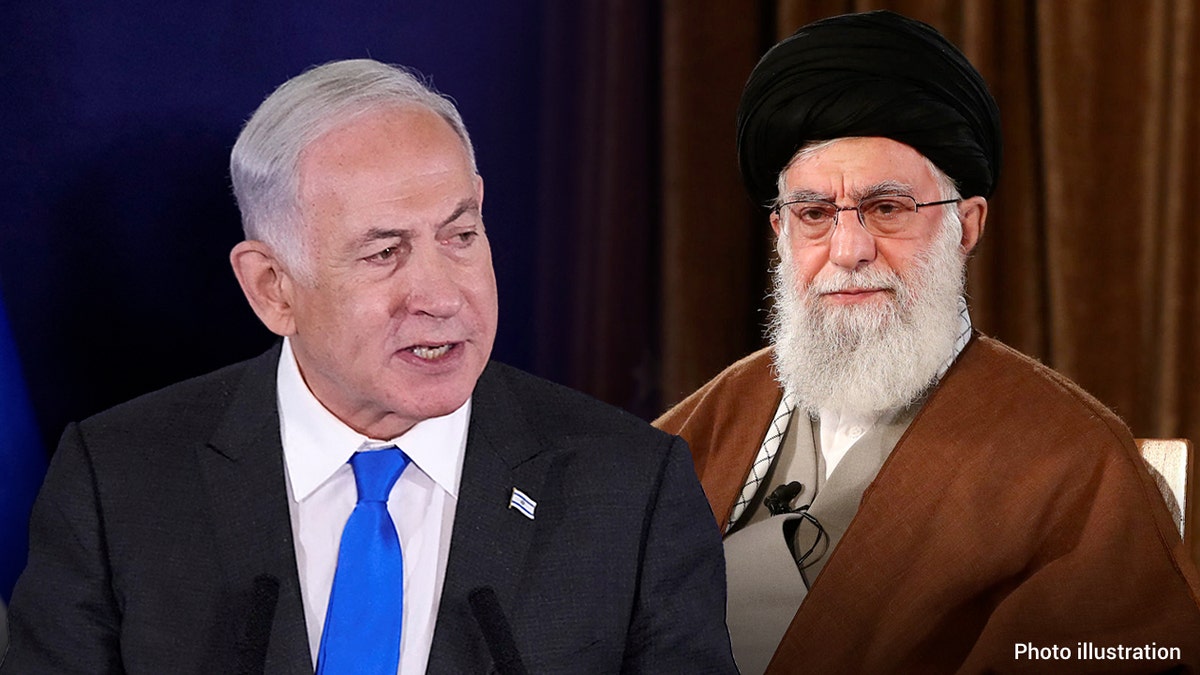
The strategic complexity of such an operation cannot be overstated. A direct strike on Iran would require a high degree of coordination, even if U.S. support is perceived to be waning. Israel must consider the potential for a multi-front war involving not just Iran, but its “Axis of Resistance,” which includes Hezbollah in Lebanon, militias in Syria and Iraq, and the Houthis in Yemen. The risk of a regional wildfire is the primary driver behind the cautious, yet preparatory, posture currently being observed in Tel Aviv.
What is happening on the Lebanese border?
While the long-term strategic focus remains on Iran, the immediate kinetic reality of the conflict is being played out on Israel’s northern border with Lebanon. The IDF has intensified its operations against Hezbollah, the Iranian-backed militant group that controls significant portions of southern Lebanon. These operations are aimed at degrading Hezbollah’s rocket-launching capabilities and neutralizing its command structure.
A recent Israeli airstrike in the city of Tyre (Sour) in southern Lebanon has highlighted the human cost of this ongoing escalation. Reports indicate that the strike resulted in the deaths of at least five individuals. The city of Tyre, a major urban center in Lebanon, has seen repeated evacuations as the IDF issues warnings to civilian populations to move away from areas targeted by military action. These strikes are part of a broader campaign to push Hezbollah forces away from the border to allow for the safe return of displaced Israeli citizens to northern towns.
The situation in Lebanon remains highly volatile. Hezbollah continues to launch rockets into northern Israel in response to Israeli operations, creating a continuous cycle of violence. This northern front is not merely a border skirmish; it is a critical component of the broader regional struggle. Hezbollah’s ability to sustain high-intensity fire poses a direct threat to Israel’s domestic stability and forces the IDF to divert significant resources away from other fronts.
Why does the shift in U.S.-Israel relations matter for regional security?
The reported shift in the tone of U.S. communications toward Israel carries profound implications for the balance of power in the Middle East. For decades, the bedrock of regional security architecture has been the perceived “ironclad” guarantee of U.S. support for Israel. If this guarantee is perceived to be conditional or subject to the political whims of the U.S. presidency, it alters the calculus for every major actor in the region.

For Iran, a perception of American hesitation or a desire to avoid entanglement could be viewed as an opportunity to expand its regional influence or to act more aggressively against its enemies. Conversely, for Israel, the possibility of reduced support may lead to more preemptive and unilateral military actions to ensure its security, which could inadvertently trigger the very regional war that the United States is seeking to avoid.
Furthermore, the domestic political landscape in the United States plays a decisive role. The tension between the need to support a key democratic ally and the desire to avoid “forever wars” is a central theme in American political discourse. As the U.S. approaches its own electoral cycles, the Middle East remains a lightning rod for debates over foreign intervention, resource allocation, and national security priorities.
Summary of Recent Regional Escalations
| Event / Location | Key Detail | Primary Actors |
|---|---|---|
| Israel-Iran Exchange (April 2024) | Direct missile and drone strikes between nations. | Israel, Iran |
| Tyre (Sour), Lebanon | Airstrikes resulting in multiple casualties. | IDF, Hezbollah |
| Northern Israel Border | Ongoing rocket fire and displacement of civilians. | Hezbollah, Israeli Civilians |
| U.S. Political Signaling | Reported warnings of potential isolation for Israel. | Donald Trump, Netanyahu |
What happens next for Middle East diplomacy?
The immediate future will be defined by how the Israeli government responds to these dual pressures: the kinetic threat from Hezbollah and Iran, and the shifting political landscape in Washington. Observers are looking for signs of whether Netanyahu will attempt to de-escalate or if the current trajectory toward a larger confrontation will continue.
Key checkpoints to watch include:
- IDF Operational Updates: Any significant change in the scale of strikes in Lebanon or direct movements toward Iranian interests.
- Diplomatic Missions: High-level visits from U.S. and regional mediators to attempt to establish “red lines” for both Israel and Iran.
- Iranian Response: Whether Tehran chooses to engage in further direct retaliation or continues its strategy of proxy warfare.
As the situation evolves, the international community remains cautiously focused on preventing a miscalculation that could lead to a wider regional war. The interplay between military action and political signaling remains the most critical variable in the survival and stability of the Middle East.
We will continue to monitor official statements from the IDF, the U.S. State Department, and regional leaders as this story develops. Please share your thoughts in the comments below and subscribe to World Today Journal for the latest updates on global affairs.
Keep reading