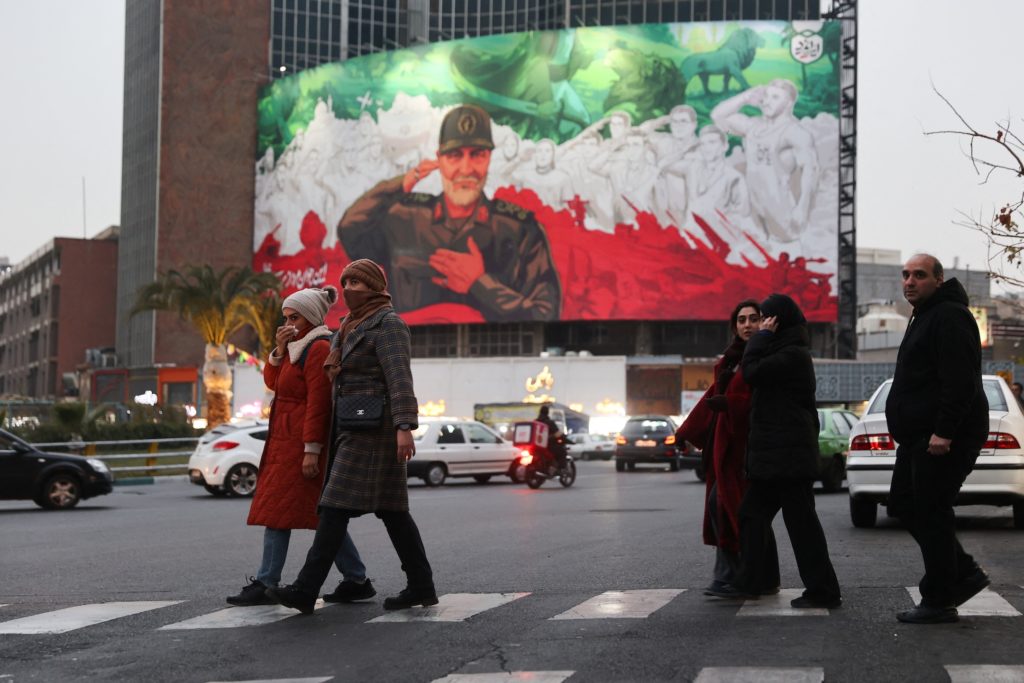
The delicate Balance of U.S.Response to Iranian Protests
Recent protests in Iran have sparked international attention, notably regarding potential U.S. intervention. The situation is complex, and the implications of any action – or inaction - are important. Understanding the nuances of the Iranian government’s response, the protesters’ desires, and the potential impact of U.S. statements is crucial.
The Power of Presidential Statements
Statements from a U.S. president carry ample weight on the global stage. In Iran, where protesters face immense risk, such statements can be a vital source of morale.They signal to the Iranian people that the world is watching and that their struggle isn’t being ignored.
Though, the clarity of these statements is paramount. Ambiguous threats can create more uncertainty than reassurance. You need to understand what a statement means in practical terms. Is it a promise of military action? Does it signal a desire for regime change?
Iran’s Escalating Repression
Iran has recently enacted harsh laws designed to suppress dissent. Peaceful protest activities, even sharing details about them, can now be punished by death. The government frames such actions as collaboration with hostile foreign powers, effectively justifying extreme penalties.
This context makes the situation incredibly sensitive. Any external response must consider the potential for escalating violence and the immediate danger faced by Iranian citizens. The Iranian state aims to isolate protesters, convincing them that no one cares about their plight.
What Do Protesters Want?
Protesters generally desire international attention and support, but direct military intervention is a far more complex issue. Many fear that intervention could be used by the regime to justify further crackdowns and consolidate power.
Specifically,protesters want:
* Condemnation of violence: Strong and unequivocal statements denouncing the iranian government’s brutality.
* Support for human rights: Advocacy for the release of political prisoners and the protection of fundamental freedoms.
* Targeted sanctions: Measures aimed at holding Iranian officials accountable for human rights abuses, without harming the general population.
* Clear consequences: A clear message to the leadership that continued violence will have repercussions.
The Risk of Empty Threats
The potential for U.S. action is challenging to assess. Past administrations have issued strong warnings without following through, creating a sense of distrust. This echoes the situation with Syria and the “red line” established by the Obama administration.
Furthermore, the current administration has demonstrated a willingness to take unconventional actions, such as the assassination of Qasem Soleimani and attacks on nuclear facilities.This unpredictability adds another layer of complexity to the situation. If the U.S. fails to act on its words following a mass crackdown, it risks losing credibility and emboldening the Iranian regime.
Navigating a Precarious Situation
The situation in Iran demands a careful and nuanced approach. While supporting the Iranian people is essential, any response must prioritize their safety and avoid actions that could exacerbate the crisis. Clear dialogue, targeted pressure, and unwavering support for human rights are crucial steps. You must remember that the ultimate goal is to empower the Iranian people to achieve their own aspirations for a more just and free society.
Worth a look