
The geopolitical landscape of the Middle East remains on a knife-edge as U.S. President Donald Trump has issued a high-stakes ultimatum to Iran, threatening massive military action unless critical maritime corridors are reopened. In a move that blends aggressive rhetoric with a narrow window for diplomacy, the White House has shifted from immediate threats of destruction to a conditional ceasefire, mediated in part by the government of Pakistan.
The tension reached a fever pitch on April 7, 2026, when President Trump warned that “toda una civilización morirá esta noche, para no volver jamás” (an entire civilization will die tonight, to never return) if his demands were not met. However, this catastrophic scenario was momentarily averted when the U.S. Administration accepted a proposal to suspend attacks against Iran for a period of 14 days, providing a brief reprieve for the region according to reports from La Tercera.
This fragile peace is not unconditional. The suspension of military strikes is strictly tied to the “complete, immediate and secure” reopening of the Strait of Hormuz. As one of the world’s most vital chokepoints for global oil trade, the status of the Strait remains the central pivot upon which the possibility of further war or a lasting peace rests. Should Iran fail to meet these requirements, the U.S. Has signaled it will reactivate its offensive against Iranian infrastructure.
The Role of Pakistani Mediation in the Conflict
Pakistan has emerged as a key intermediary in the escalating conflict between Washington and Tehran. The diplomatic push began in late March 2026, when Pakistani Prime Minister Shehbaz Sharif offered to host “meaningful and conclusive” conversations to reach a comprehensive settlement via Diario Libre. Sharif’s offer was shared by President Trump on his Truth Social platform, marking a public acknowledgement of Islamabad’s willingness to facilitate dialogue.
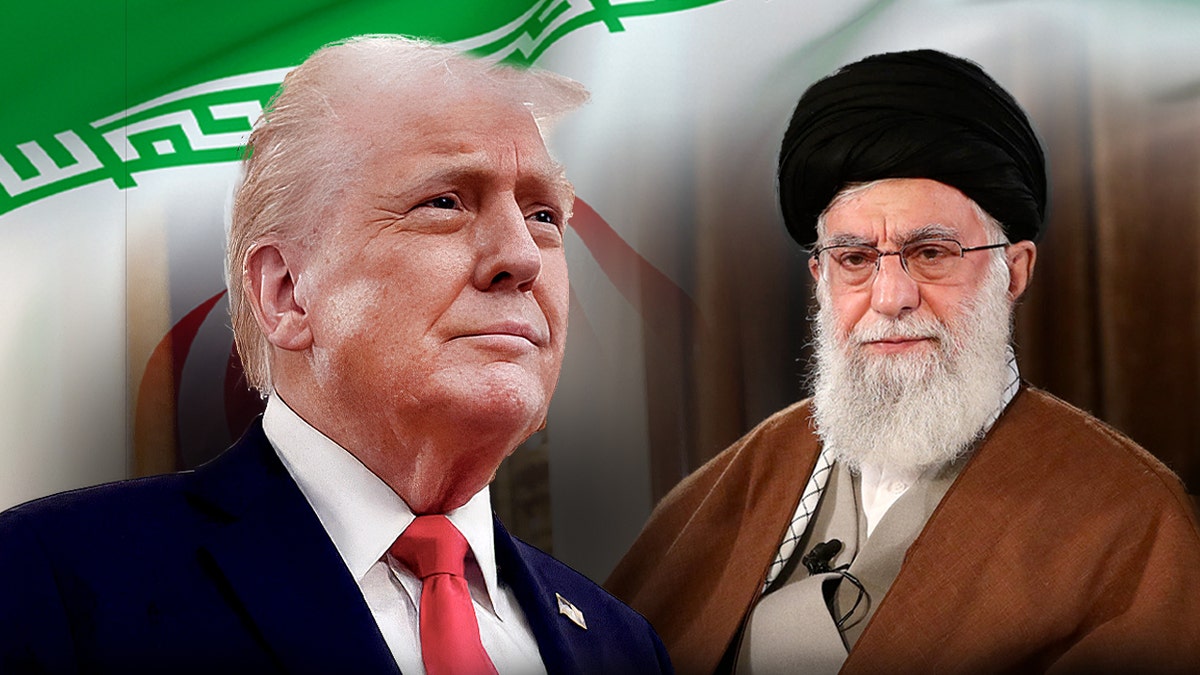
The Pakistani government’s ability to mediate stems from a dual-track relationship: the Pakistani military maintains established links with Tehran, while Prime Minister Sharif maintains a positive rapport with President Trump. This unique positioning allowed Pakistan to help negotiate the current 14-day suspension of attacks, acting as a bridge between two nations that have largely avoided direct diplomatic channels.
The mediation efforts are not without complexity. While the U.S. Has openly discussed negotiations, Iran has historically been more guarded. Iranian Foreign Ministry spokesperson Ismail Bagaei previously admitted to receiving messages from “friendly countries” regarding the U.S. Request to negotiate, even while officially denying direct talks with the Trump administration.
The Strait of Hormuz: The Critical Condition for Peace
The primary demand from the United States is the immediate restoration of safe transit through the Strait of Hormuz. President Trump has made it clear that the 14-day truce is contingent upon this specific action. The strategic importance of the Strait cannot be overstated; any closure or instability in this waterway threatens the global energy supply and could trigger a worldwide economic shock.
The pressure on Tehran has been visible and visceral. Following the U.S. Threats to destroy energy plants and bridges, Iranian media reported images of “human chains” forming around critical infrastructure and power stations in an attempt to protect them from potential airstrikes as detailed by La Tercera.
For the United States, the “complete, immediate, and secure” opening of the waterway is viewed as a non-negotiable prerequisite for any extended peace. The 14-day window is intended to give Iran the opportunity to comply without facing the immediate destruction of its energy infrastructure.
Iran’s Response and the Order to Cease Fire
In response to the U.S. Announcement of a ceasefire, Iran’s leadership took decisive action to prevent an immediate escalation. On Monday, April 7, 2026, the Supreme Leader of Iran, Mojtaba Jamenei, ordered all military units within the country to stop firing per the IRIB state television.
The announcement by Jamenei was explicit: while the order to cease fire was mandatory for all military branches, it did not signal the definitive end of the war. The statement read, “Este no es el fin de la guerra, pero todas las ramas militares deben seguir la orden del líder supremo y cesar el fuego” (This is not the end of the war, but all military branches must follow the order of the supreme leader and cease fire).
This distinction suggests that while Iran is willing to utilize the 14-day window provided by the Pakistani-mediated deal, it remains in a state of military readiness. The Iranian government is balancing the need to avoid total destruction of its infrastructure with the political necessity of not appearing to surrender unconditionally to U.S. Demands.
Timeline of Recent Escalations and Diplomacy
| Date | Event | Outcome/Detail |
|---|---|---|
| March 24, 2026 | Pakistani Mediation Offer | PM Shehbaz Sharif offers to host peace talks; Trump shares the offer on Truth Social. |
| April 7, 2026 (Morning) | U.S. Ultimatum | Trump threatens total destruction of “a civilization” if demands are not met. |
| April 7, 2026 (Evening) | 14-Day Truce Agreed | Trump suspends attacks for two weeks, conditioned on the opening of the Strait of Hormuz. |
| April 7, 2026 (Night) | Iranian Ceasefire Order | Supreme Leader Mojtaba Jamenei orders all military units to stop firing. |
What This Means for Global Stability
The current situation represents a volatile mixture of “maximum pressure” and opportunistic diplomacy. By utilizing a third party like Pakistan, the U.S. Has created a mechanism for communication that avoids the political fallout of direct concessions to Tehran. However, the brevity of the truce—only 14 days—indicates that the U.S. Is not interested in a long-term diplomatic process unless immediate, tangible results are achieved regarding the Strait of Hormuz.
For the international community, the risk remains high. The threat to target energy infrastructure is not merely a political statement but a strategic move to leverage Iran’s economic vulnerabilities. The involvement of other regional actors, including mentions of attacks by Israel and Palestine against Iranian territory, further complicates the theater of operations, making a localized ceasefire fragile.
The world now watches the clock. The 14-day window serves as a countdown. If the Strait of Hormuz is not opened to the satisfaction of the White House, the “complete, immediate, and secure” condition will have failed, potentially triggering the very military offensive that the Pakistani mediation sought to prevent.
The next critical checkpoint will be the expiration of the 14-day suspension period, at which point the U.S. Will determine if the conditions for the truce were met or if military operations against Iranian infrastructure will resume.
Do you believe the 14-day window is sufficient to resolve the crisis in the Strait of Hormuz? Share your thoughts in the comments below and share this update with your network to keep the conversation going.
Worth a look