
President Donald Trump is currently weighing a critical decision regarding the extension of a ceasefire with Iran, following a series of heightened military engagements in the Strait of Hormuz. As the administration navigates a complex diplomatic and security landscape, the potential for a 60-day memorandum of understanding remains the focal point of discussions within the White House.
The proposed deal, which would extend the existing ceasefire and initiate formal negotiations regarding Iran’s nuclear program, remains pending until the President provides his final sign-off. This development follows weeks of intensified friction, marked by defensive military actions and concerns over regional stability. According to U.S. Officials, the administration is evaluating whether the terms sufficiently address security requirements or if further measures are necessary to secure American interests in the region as reported by Fox News.
Military Tensions in the Strait of Hormuz
The diplomatic maneuvering occurs against a backdrop of active military engagement. In recent days, U.S. Central Command (CENTCOM) reported a series of defensive strikes in southern Iran. These operations were initiated after U.S. Forces identified Iranian vessels engaged in laying mines within the critical maritime corridor of the Strait of Hormuz. Officials stated that an Iranian missile was targeted at U.S. Warplanes, prompting a direct response from the U.S. Military to neutralize the threats.
The military response included the elimination of Islamic Revolution Guards Corps (IRGC) boats and the destruction of a surface-to-air missile site located in Bandar Abbas. Despite the ongoing diplomatic efforts to establish a ceasefire, U.S. Naval forces have continued to maintain a blockade in the Strait of Hormuz to ensure the safety of transit lanes. The situation escalated further on Wednesday when U.S. Forces intercepted an array of Iranian drones shortly before a ballistic missile was launched toward Kuwait, a U.S. Ally. While Kuwaiti forces successfully intercepted the projectile, the incident was characterized by CENTCOM as an “egregious ceasefire violation” according to official CENTCOM statements.
The Path to a Potential Agreement
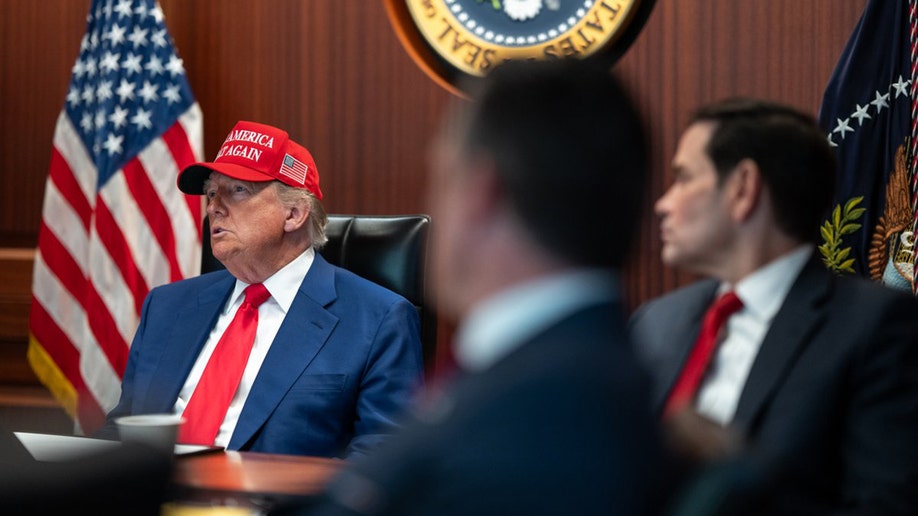
President Trump addressed the state of the negotiations during a Cabinet meeting at the White House on May 27, 2026. During the session, he suggested that the Iranian side was “negotiating on fumes” and indicated that the parties had not yet reached a final consensus. The President emphasized that the current proposals were not yet satisfactory to the United States, leaving the door open for either a finalized agreement or a shift in strategy to “finish the job” if diplomatic progress stalls.

The memorandum of understanding represents a potential 60-day bridge intended to stabilize the region while providing a framework for broader discussions on nuclear non-proliferation. However, the final determination rests entirely with the President, who is balancing the necessity of a ceasefire against the administration’s stated goals of curbing Iranian military influence and nuclear capabilities. As of the latest updates, there has been no official announcement regarding the signing of this extension, and the status of the agreement remains in a state of flux.
Key Context: Regional Stability and Diplomatic Pressure
The current impasse reflects the broader challenges facing the administration in its foreign policy approach. The combination of targeted military strikes and the pursuit of a negotiated ceasefire illustrates a “maximum pressure” strategy that seeks to leverage military strength to force diplomatic concessions. Analysts note that the efficacy of this approach often hinges on the ability of both sides to distinguish between tactical military posturing and long-term strategic objectives.
For observers tracking the situation, the primary markers of progress remain the status of the Strait of Hormuz, the cessation of ballistic missile activity, and the formalization of the 60-day extension. The international community continues to monitor these developments closely, as any failure to secure the ceasefire could lead to a significant expansion of the current conflict.
Key Takeaways
- Negotiators have reached a tentative 60-day memorandum of understanding to extend the current ceasefire with Iran.
- The deal, which would open talks on Iran’s nuclear program, is awaiting final approval from President Donald Trump.
- Recent military activity includes U.S. Defensive strikes against IRGC boats and the interception of Iranian drones and a ballistic missile launched toward Kuwait.
- President Trump has stated that the administration is currently unsatisfied with the progress of talks, though he remains open to an eventual deal.
The next confirmed checkpoint for this situation will be the President’s formal decision on the memorandum of understanding. As the administration continues its internal review process, official updates will be provided through the White House press office and the Department of Defense. We encourage our readers to stay tuned for further developments on this evolving story and invite you to share your thoughts in the comments section below.
