
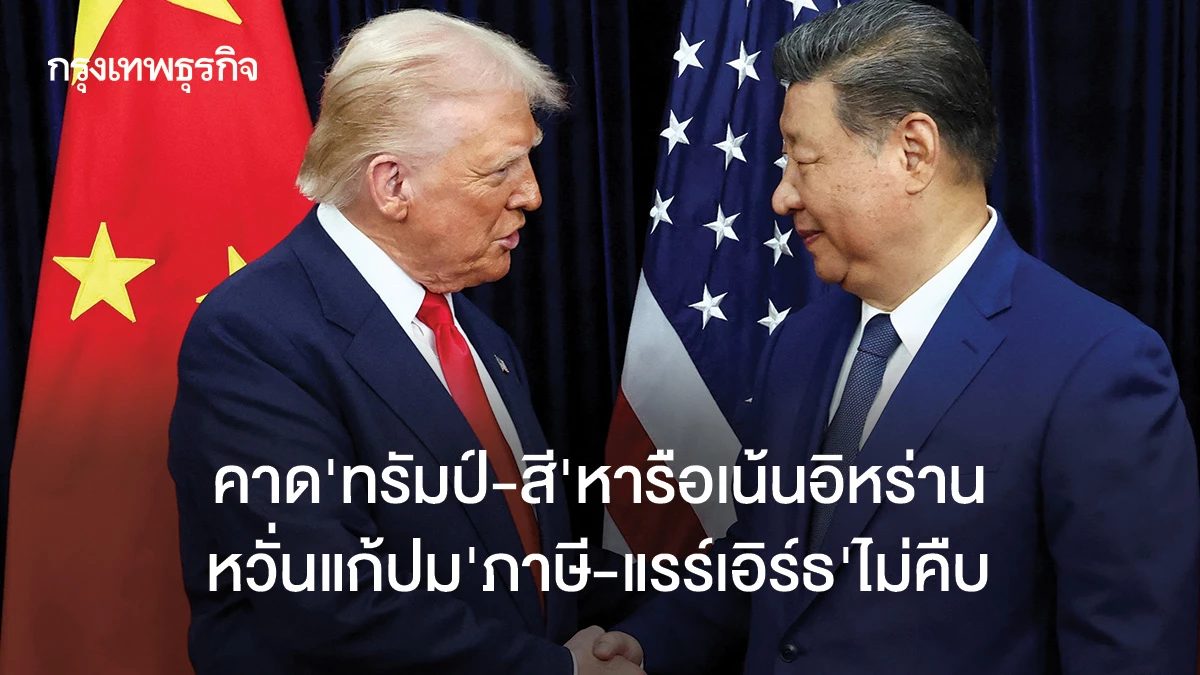
Trump-Xi Summit: Iran War Overshadows Tariffs and Rare Earths as U.S.-China Tensions Escalate
BEIJING — The first U.S. Presidential visit to China in nearly a decade is shaping up to be a high-stakes diplomatic test, but the Iran war has already hijacked the agenda, leaving critical economic issues like tariffs and rare earth mineral supplies on the backburner. As President Donald Trump arrives in Beijing for a two-day summit with Chinese President Xi Jinping on May 14 and 15, analysts warn that the focus on de-escalating regional tensions could delay—or even derail—progress on long-standing trade disputes and supply chain vulnerabilities.
With Iran’s foreign minister recently hosted in Beijing for the first time since the war began in late February, China has positioned itself as a potential mediator. Yet U.S. Officials, including Treasury Secretary Scott Bessent, have signaled that Iran’s role in the conflict will be a top priority in private discussions. Meanwhile, Chinese state media has framed the summit as an opportunity to “reduce tensions” between the two superpowers, though the absence of a formal U.S. Business delegation—reportedly scaled back to just two dozen executives, down from earlier plans—suggests economic cooperation may take a backseat.
The stakes could not be higher. Rare earth minerals, essential for everything from electric vehicles to military hardware, remain a flashpoint. China controls over 80% of global production, and U.S. Efforts to diversify supply chains have faced setbacks. Yet with Iran’s nuclear program and regional destabilization looming, both sides may struggle to find common ground on trade. “The Iran war is likely to dominate the first U.S. Presidential visit to China since 2017,” a source familiar with the arrangements told CNBC, adding that the U.S. Government declined China’s invitation to organize industry-specific meetings to avoid appearing too aligned with Beijing.
Why This Summit Matters
- Iran War Takes Center Stage: The conflict in Iran is expected to dominate discussions, potentially delaying progress on tariffs and rare earth supplies.
- Smaller U.S. Business Delegation: Only two dozen executives, including Boeing’s CEO Kelly Ortberg and Citigroup’s Jane Fraser, are confirmed to attend, signaling a more cautious approach to economic engagement.
- China’s Role in Mediation: Beijing has hosted Iran’s foreign minister, raising hopes for a peace deal—but U.S. Skepticism remains high.
- Rare Earths Under Pressure: With China controlling 80% of global production, supply chain risks could intensify if trade tensions persist.
- Next Steps Unclear: Xi Jinping’s planned visit to the U.S. Later this year may offer another chance for dialogue, but no timeline has been set.
Iran War: The Elephant in the Room
Iran’s nuclear program and the broader war in the region have cast a long shadow over the Trump-Xi summit. While China has historically opposed U.S. Sanctions on Iran, the recent escalation—including a U.S. Military strike in the eastern Pacific that killed two alleged drug traffickers—has raised tensions. “Iran will be a topic in the meetings,” Treasury Secretary Bessent confirmed earlier this week, though details remain classified.

China’s decision to host Iran’s foreign minister for the first time since the war began has fueled speculation about a potential peace deal. Oil prices dipped slightly following the meeting, and global stock markets reacted positively, but analysts caution that any breakthrough would require significant concessions from Tehran. Meanwhile, the U.S. Has not signaled willingness to ease sanctions unilaterally, leaving the door open for prolonged negotiations.

What’s Next? If no major agreement emerges, the Iran issue could linger as a barrier to broader U.S.-China cooperation. The next critical checkpoint will be Xi Jinping’s planned visit to the U.S., though no official date has been announced. For now, the focus remains on managing the crisis rather than resolving deeper structural issues.
“From the Citi perspective, we’ve been in China for 124 years, and engagement between the two economic superpowers is non-negotiable.”
— Jane Fraser, Citigroup CEO (confirmed attendance at the summit)
Tariffs and Rare Earths: The Economic Wildcards
Even as Iran dominates headlines, the U.S. And China remain locked in a trade war that has dragged on for years. Tariffs on Chinese goods—imposed during Trump’s first term—have yet to be fully resolved, and rare earth minerals remain a critical sticking point. China’s near-monopoly on these essential materials has forced the U.S. To seek alternatives, but the transition has been slow, and costly.
Boeing’s CEO, Kelly Ortberg, is one of the few U.S. Executives confirmed to attend the summit, reflecting the aerospace giant’s urgent need to secure a major order from China—a first in nearly a decade. Yet with geopolitical tensions high, even commercial deals face scrutiny. “The U.S. Government is being very cautious about appearing too close to Beijing,” said a source familiar with the arrangements, adding that the initial list of 24 executives may be halved.
Market Impact: If tariffs remain unresolved, global supply chains—already strained by the war in Iran—could face further disruptions. Rare earth prices have already surged, and analysts warn that without a breakthrough in Beijing, the U.S. May accelerate its push for domestic production, further straining relations.
What’s Missing: The Absence of a Full Business Delegation
Unlike previous U.S. Visits to China, where corporate leaders flocked to Beijing in droves, this summit is marked by a notable absence: a full-scale U.S. Business delegation. The White House has not yet formally invited executives to join Trump, and sources suggest the list may shrink from the originally proposed two dozen.
This shift reflects broader U.S. Concerns about over-reliance on China, particularly in sensitive sectors like technology and defense. “We’re not sending a full delegation because we don’t want to send the wrong signal,” said one official, speaking on condition of anonymity. The move has left some Chinese exporters skeptical, with reports suggesting they no longer expect major concessions from Washington.
Who’s Attending? Confirmed U.S. Executives include:
- Kelly Ortberg, CEO of Boeing
- Jane Fraser, CEO of Citigroup
Other names remain unconfirmed, with the White House emphasizing “a more targeted approach” to engagement.
AI and the Long Game: What’s Not Being Discussed
While Iran and trade dominate the headlines, artificial intelligence (AI) has quietly emerged as another battleground between the U.S. And China. Both nations are racing to dominate the next generation of AI technologies, but cooperation remains limited. The Trump administration has imposed restrictions on Chinese tech firms, including Huawei, while Beijing has retaliated with its own export controls.

Yet with the Iran crisis consuming diplomatic bandwidth, AI collaboration—once a potential bright spot—has been sidelined. “The focus is on survival, not innovation,” said a Beijing-based analyst. For now, the summit’s legacy may hinge less on AI breakthroughs and more on whether the two superpowers can avoid further escalation in Iran.