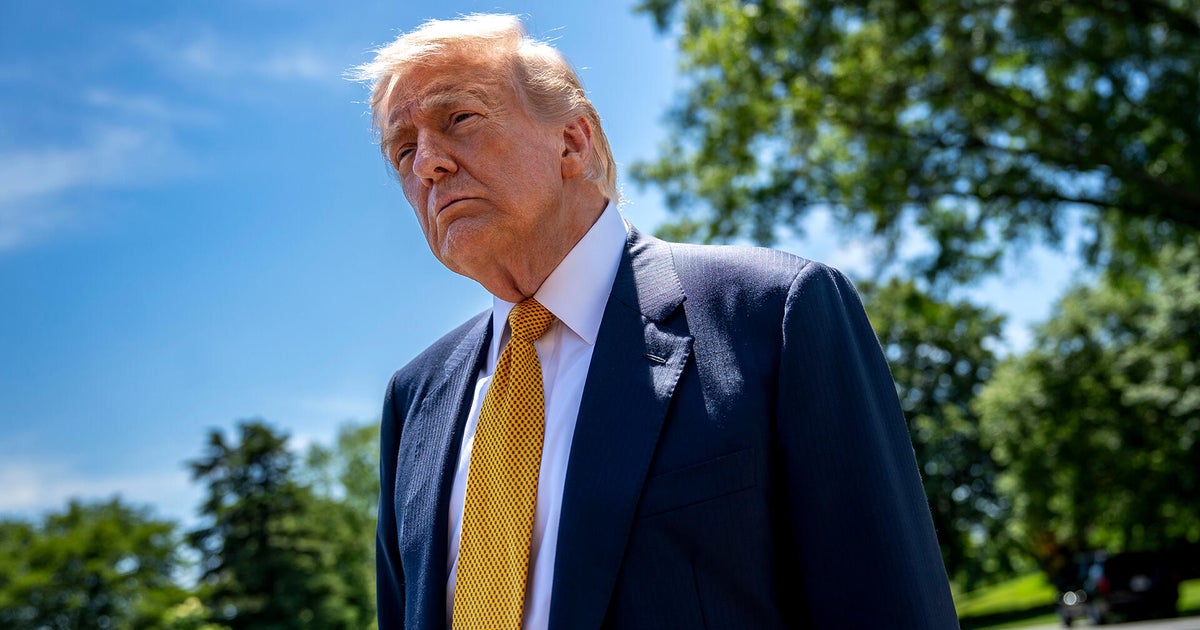
As President Donald Trump prepares for a high-stakes diplomatic summit in Beijing this week, global markets and policymakers are closely watching two critical fronts: the delicate U.S.-China relations and the latest inflation data, which has reached its highest level in nearly three years. The visit, scheduled for May 12–14, 2026, marks a pivotal moment in an already tense geopolitical landscape, where trade tensions, technological competition and regional security concerns remain unresolved. Meanwhile, the U.S. Bureau of Labor Statistics reported last week that inflation surged to 3.8% in April 2026—its steepest climb since May 2023—raising questions about the Federal Reserve’s next moves and the economic outlook ahead of the November 2026 midterm elections.
Trump’s trip to China, his first as president since taking office in January 2025, comes amid a backdrop of strained relations. The White House has framed the visit as an opportunity to “reset” dialogue after a period of escalating tariffs, semiconductor restrictions, and disputes over Taiwan. Yet analysts warn that progress will hinge on whether both leaders can overcome deep-seated mistrust, particularly over China’s assertive stance in the South China Sea and its support for Russia’s war in Ukraine. The summit follows a recent joint U.S.-China crackdown on drug trafficking, a rare area of cooperation that officials hope to expand.
Domestically, the inflation spike adds urgency to Trump’s economic agenda. While the president has repeatedly dismissed concerns about rising costs—“I’m not thinking about Americans’ finances even a little bit during these talks,” he told reporters last week—the data contradicts his rhetoric. Consumer prices have climbed 0.6% month-over-month, with food and energy costs driving the increase. Economists cite supply chain disruptions, labor shortages, and lingering post-pandemic demand as key factors, though political analysts note that inflation could become a major issue in battleground states like Nebraska and Pennsylvania, where primaries are underway.
Trump-Xi Summit: What’s at Stake?
The Beijing summit will focus on three priority areas, according to the White House: trade, technology, and Taiwan. Negotiators are expected to revisit the 2018 U.S.-China trade deal, which Trump renegotiated during his first term but which has since seen limited enforcement. Leaks suggest China may propose concessions on electric vehicle tariffs in exchange for U.S. Relief on agricultural exports—a delicate balancing act given Trump’s base’s skepticism of any trade concessions.
Technology remains the most contentious issue. The U.S. Has tightened export controls on advanced semiconductors and AI tools, citing national security risks. China has retaliated with restrictions on rare earth minerals critical to U.S. Defense and green energy sectors. Trump’s administration has also ramped up pressure on Chinese firms like Huawei and SMIC, accusing them of ties to the Chinese military. “This isn’t just about chips—it’s about who will lead the 21st century,” said a senior White House official, speaking on condition of anonymity.
Taiwan looms largest, however. While neither leader is expected to make bold declarations, the summit will test whether Trump—who has previously suggested he might not defend Taiwan under Article 5 of the U.S.-Japan treaty—can reassure allies without provoking Beijing. Chinese state media has already signaled that any discussion of Taiwan’s sovereignty will be a “red line.” “The U.S. Must respect the one-China principle,” read a commentary in Global Times last week, adding that “any ambiguity will be met with firm action.”
Inflation Surge: A Domestic Crisis with Global Ramifications
The April inflation report—released by the U.S. Bureau of Labor Statistics on May 10, 2026—shows prices rising at an annual rate of 3.8%, up from 3.4% in March. Core inflation, which excludes volatile food and energy costs, climbed to 3.6%, its highest since October 2023. The data has sent ripples through financial markets, with the Dow Jones Industrial Average dropping 210 points in pre-market trading on the news.
Economists warn that the surge could force the Federal Reserve to delay anticipated interest rate cuts, which were previously expected in June. “This is a clear signal that the Fed won’t be in a hurry to pivot,” said Diane Swonk, chief economist at KPMG, in a statement. “With inflation sticky and wage growth still elevated, the central bank may need to keep rates higher for longer.”
For Trump, the inflation data presents a political dilemma. His administration has touted strong GDP growth—2.8% in Q1 2026, per the Commerce Department—but rising costs erode public confidence. In Nebraska, where primaries are being held this week, inflation is a top voter concern, with 68% of likely Republican voters citing economic anxiety as their primary issue, according to a recent poll by Marist College. Trump’s proposal to suspend the federal gas tax—though requiring congressional approval—has gained traction as a potential campaign pledge.
What Happens Next: Key Checkpoints
The next critical developments will unfold along three timelines:
- May 12–14, 2026: Trump-Xi summit in Beijing. A joint press conference is expected on May 14, though no specific agreements are anticipated. Watch for signals on Taiwan, trade, and semiconductor restrictions.
- May 15, 2026: Federal Reserve policy announcement. Markets will scrutinize Chair Jerome Powell’s remarks for hints on rate cuts, with inflation data likely to dominate discussions.
- May 20, 2026: White House release of Trump’s medical exam results. The president is scheduled for a routine checkup, with preliminary findings expected to be shared publicly.
- June 2026: U.S. House retirement announcements. With 43 lawmakers already signaling they won’t seek re-election, Congress faces a record turnover that could reshape Trump’s legislative agenda.
Why It Matters: Global and Domestic Implications
The Beijing summit and inflation crisis intersect in ways that will shape the next two years. For global markets, the outcome of U.S.-China talks could determine whether tariffs escalate further or if a fragile détente emerges. A breakdown in negotiations risks triggering a 30%+ tariff war, which economists warn could push global growth below 2.5% in 2027.

Domestically, inflation’s persistence could undermine Trump’s re-election prospects. While his base remains loyal, independent voters—who make up 30% of the electorate—are increasingly concerned about affordability. “This isn’t just about politics; it’s about whether families can afford groceries and gas,” said Dr. Sylvia Allegretto, economist at UC Berkeley. “Candidates who don’t address that risk losing.”
For now, the focus remains on Beijing. As Trump boards Air Force One for the trip, his team is emphasizing “patience and pragmatism.” Yet with inflation surging and global tensions rising, the stakes could not be higher.
Key Takeaways
- The Trump-Xi summit in Beijing (May 12–14) will address trade, technology, and Taiwan, with no major breakthroughs expected.
- U.S. Inflation hit 3.8% in April, its highest level in nearly three years, pressuring the Federal Reserve to delay rate cuts.
- Trump’s proposal to suspend the federal gas tax—though requiring Congress—could gain traction as a campaign pledge.
- Global markets are bracing for potential tariff escalation if U.S.-China talks fail, risking a downturn in 2027.
- The next Fed announcement (May 15) and Trump’s medical exam (May 20) are critical watchpoints for investors and voters alike.
As the world watches Beijing, one question looms: Can diplomacy outpace economic reality? Share your thoughts in the comments—or tag @WorldTodayJrnl to join the conversation.