
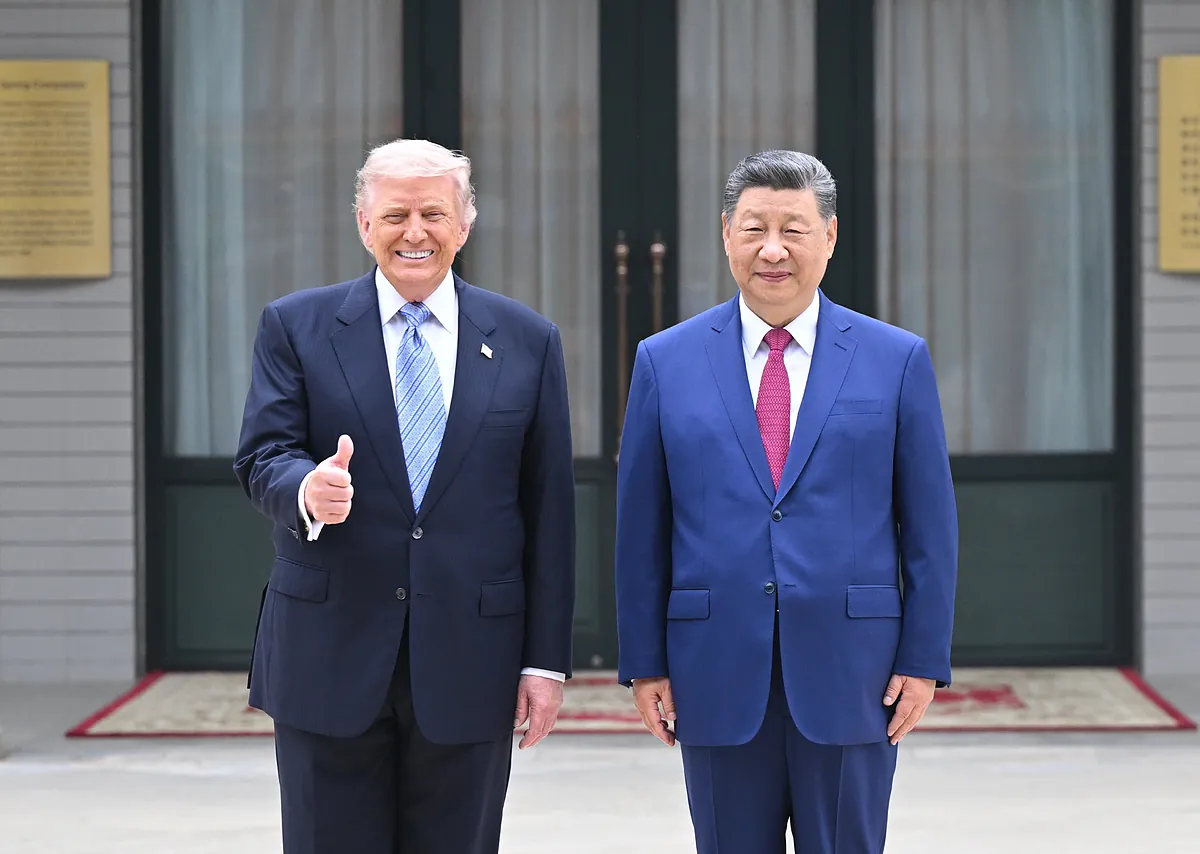
In a significant shift for global markets, the United States and China have reached a new trade and economic agreement, marking a formal pause in recent cross-Pacific tariff escalations. The deal, finalized during a presidential summit in the Republic of Korea, seeks to rebalance the trade relationship between the world’s two largest economies while addressing critical national security concerns.
The agreement, announced by the White House on November 1, 2025, represents a strategic move by the administration to secure U.S. Economic interests and mitigate volatility for domestic manufacturers and agricultural producers. By establishing specific commitments regarding supply chain security and market access, both nations are attempting to stabilize a relationship that has faced substantial friction throughout the year. Read the official White House fact sheet on the trade agreement here.
Key Provisions of the Trade and Economic Deal
The pact addresses several high-stakes issues that have dominated the bilateral agenda. Central to the agreement is a Chinese commitment to halt the flow of precursor chemicals used in the illicit production of fentanyl into the United States. This measure is paired with a broader effort to secure the U.S. Supply chain for critical materials. According to the administration, China has agreed to effectively eliminate its current and proposed export controls on rare earth elements, gallium, germanium, antimony, and graphite for the benefit of U.S. End users.
the deal mandates that China suspend all retaliatory tariffs that had been announced since March 4, 2025. This suspension covers a vast array of U.S. Agricultural exports, including soybeans, corn, wheat, pork, beef, and dairy products. By removing these barriers, the administration aims to bolster the competitiveness of American farmers and improve the flow of goods into the Chinese market.
Stabilizing Semiconductor and Agricultural Markets
Beyond rare earth elements, the agreement targets the semiconductor industry, a sector that has been at the heart of recent technological and trade disputes. The deal includes provisions to end Chinese retaliation against U.S. Semiconductor manufacturers and other major American companies operating within China. This is intended to provide a more predictable environment for U.S. Firms that have faced increasing regulatory pressure in recent years.
Agricultural stability remains a primary focus of the administration’s strategy. Following the summit, reports have confirmed that China has agreed to increase its imports of U.S. Agricultural staples, such as beef and poultry. This development is viewed by many as a vital step in supporting rural economies that were disproportionately affected by the previous cycle of tariffs. For the latest updates on these trade developments, visit AP News.
What This Means for the Global Economy
The “la paz arancelaria”—or tariff peace—between the two nations serves as a cooling mechanism for the global economy. By suspending the implementation of expansive export controls and retaliatory tariffs, the agreement provides a window for industrial sectors to recalibrate their supply chains. However, the long-term efficacy of these measures will depend on the rigorous enforcement of the commitments regarding chemical shipments and the issuance of general export licenses for critical minerals.
For businesses and investors, the key takeaway is the shift toward a more structured dialogue. The administration has emphasized that the goal of this agreement is to put American workers, farmers, and families first, ensuring that national security remains the cornerstone of trade policy. The focus now shifts to the implementation phase, where the actual volume of trade and the adherence to the new licensing frameworks will be closely monitored by stakeholders in both Washington and Beijing.
Looking Ahead: Next Steps
While the summit has provided a necessary framework for stability, the administration has not yet detailed the specific mechanisms for the proposed “junta de comercio” or trade board that may oversee these ongoing negotiations. As both nations move toward implementing these commitments, market analysts will be watching for the official release of the new general export licenses and the resumption of major agricultural trade flows.
We encourage our readers to stay tuned to the World Today Journal for further updates as these agreements transition from policy to practice. We welcome your thoughts on how these changes might impact your industry or local economy—please share your perspective in the comments section below.