Trump’s Return to China: A Decade Later, What’s on the Agenda for Xi-Trump Summit?
Sofia, Bulgaria — May 14, 2026
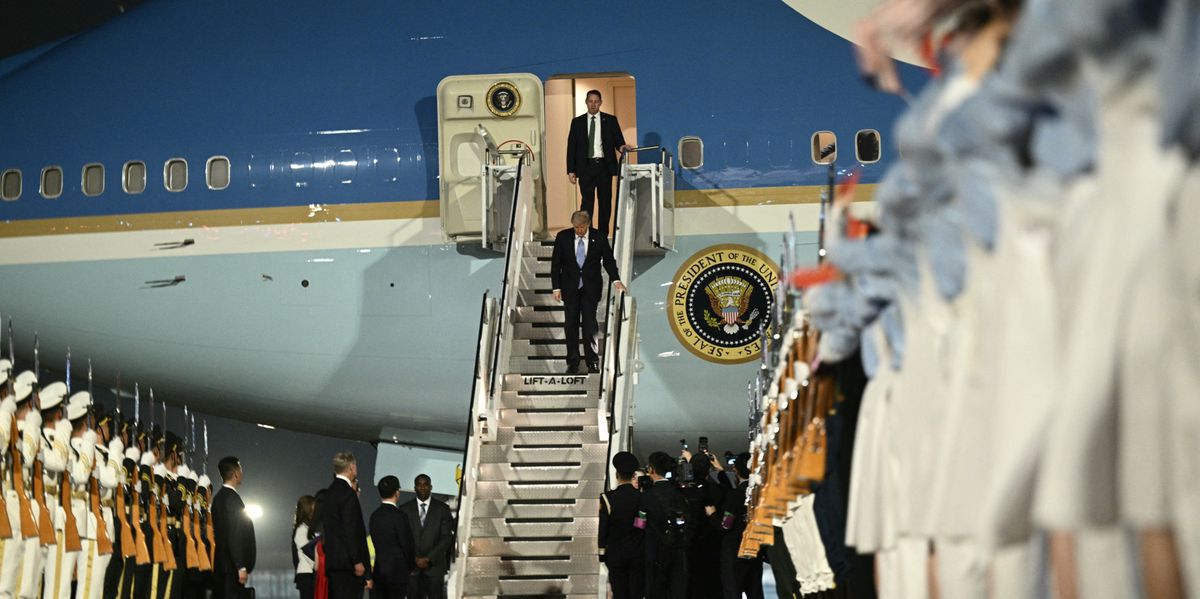
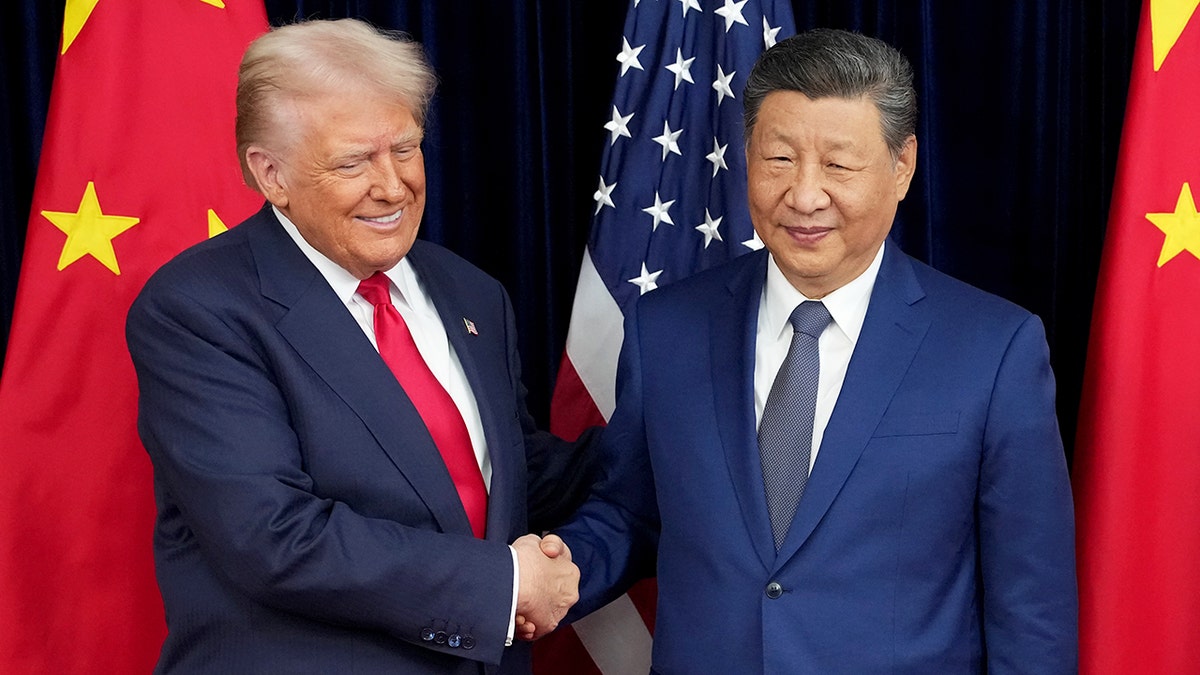
US President Donald Trump arrives in China this week for a high-stakes summit with President Xi Jinping, marking a decade since their first meeting in 2017. The visit comes as both nations navigate a world reshaped by technological rivalry, geopolitical tensions, and shifting global power dynamics. While the two leaders have previously engaged in tense trade wars and diplomatic sparring, this summit carries unique weight: It’s the first time Trump has returned to China since his initial presidency, and it unfolds against the backdrop of Xi’s unprecedented third term and China’s rapid transformation into a leader in artificial intelligence, renewable energy, and advanced manufacturing.
With trade, Taiwan, Iran, and technological competition dominating the agenda, the question looms: Can Trump and Xi reset relations, or will this meeting further entrench their rivalry? Below, we break down the key issues, historical context, and what’s at stake for both superpowers.
• The summit follows a decade of strained US-China relations, including trade wars and tech restrictions.
• Taiwan remains the most volatile issue, with US support for the island’s democracy clashing with China’s “one China” policy.
• Iran’s nuclear program and regional influence could reshape the Middle East’s balance of power.
• China’s push for “new productive forces” in AI and renewables signals a long-term economic challenge to US dominance.
• The visit includes symbolic gestures, like a return to Zhongnanhai, reflecting China’s evolving diplomatic protocols.
From Forbidden City to Zhongnanhai: The Symbolism of Trump’s Visit
Trump’s 2017 visit to China made history when he became the first US president to dine inside the Forbidden City, a gesture that symbolized Beijing’s willingness to treat Washington as an equal. This week, the stage is set even grander: Trump will be received at Zhongnanhai, the ultra-secure compound where China’s top leadership resides. The shift underscores how far China has come in asserting its global standing.
In 2017, China was still grappling with how to present itself as a peer to the US. Today, under Xi’s leadership, China has accelerated investments in “new productive forces”—a term encompassing renewable energy, robotics, and AI—while transforming cities like Chongqing into hubs of innovation. The contrast between then and now is stark: where Trump once left Beijing with a trade deal (the “Phase One” agreement), today’s challenges are far more complex and intertwined.
“China is no longer the rising power it was in 2017. It is the dominant force shaping the future of technology, trade, and global influence.”
The Agenda: Trade, Taiwan, Iran, and Tech
1. Trade Wars and Economic Rivalry
The US-China trade relationship has been a battleground since Trump’s first presidency. Tariffs imposed during his initial term remain in place, and while some restrictions were eased under Biden, tensions persist over issues like semiconductor exports and electric vehicle subsidies. This summit may see discussions on:

- Semiconductor controls: The US has tightened export rules on advanced chips to China, limiting Beijing’s access to cutting-edge technology. China is pushing for relief, arguing the restrictions harm its tech sector.
- Electric vehicles and green energy: China dominates EV production, while the US accelerates subsidies for domestic manufacturers. Trump may seek concessions to level the playing field.
- Debt and currency: China holds a significant portion of US debt, and discussions may touch on the yuan’s role in global trade and whether Beijing will allow further dollar diversification.
Yet, economic cooperation remains critical. Both nations are major players in global supply chains, and disruptions—like those seen during the COVID-19 pandemic—highlight the risks of decoupling. The question is whether this summit can strike a balance between competition and collaboration.
2. Taiwan: The Flashpoint
Taiwan looms as the most explosive issue. The US has pledged to defend Taiwan under the Taiwan Relations Act, while China views the island as a breakaway province and has ramped up military drills in response to US support. Key points of contention include:
- Military aid: The US has approved arms sales to Taiwan, including advanced missiles, which China sees as provocative. Trump may face pressure to clarify Washington’s red lines.
- Diplomatic recognition: China demands that no nation recognize Taiwan as sovereign. The US maintains “strategic ambiguity,” but Trump’s rhetoric—particularly his past comments about “one China, one Taiwan”—could test Beijing’s patience.
- Economic ties: US companies like TSMC (Taiwan Semiconductor Manufacturing Company) are critical to China’s tech supply chain. Any disruption could trigger a global chip shortage.
Analysts warn that miscalculations over Taiwan could escalate into conflict. “This is the issue most likely to spiral out of control,” said Bonnie Glaser, director of the Asia Program at the German Marshall Fund. “Both sides are digging in, and there’s little room for compromise.”
3. Iran: A New Front in Great Power Competition
Iran’s nuclear program and regional influence have emerged as a new fault line. The US and China have historically had divergent views: Washington seeks to contain Iran’s nuclear ambitions, while Beijing has maintained trade ties and avoided sanctions. Recent developments, however, are forcing both to reckon with Tehran’s growing power:
- Nuclear negotiations: The US and Iran are in indirect talks to revive the Joint Comprehensive Plan of Action (JCPOA). China’s role in any revival is unclear, but Beijing has signaled openness to dialogue.
- Oil markets: China is Iran’s largest oil customer. US sanctions have forced Beijing to navigate a delicate balance between economic interests and diplomatic pressure.
- Regional alliances: Iran’s support for groups like Hezbollah and the Houthis in Yemen has drawn US retaliation. China’s stance on these proxy conflicts could influence its relationship with both Washington and Tehran.
If the US and China cannot align on Iran, it could lead to a dangerous divide in Middle East policy, with China potentially filling the vacuum left by US disengagement.
4. Technology and the AI Race
China’s push for dominance in artificial intelligence, quantum computing, and renewable energy technologies poses a direct challenge to US leadership. Key areas of contention include:
- AI regulation: The US has imposed restrictions on Chinese access to advanced AI chips (e.g., Nvidia’s A100). China is developing its own alternatives, raising fears of a tech cold war.
- Green energy: China leads in solar and wind power, while the US lags in deployment. Trump may seek to accelerate domestic renewable projects to compete.
- Data sovereignty: China’s Data Security Law and Personal Information Protection Law restrict data flows to foreign entities, including US tech giants.
Beijing’s “new productive forces” strategy is not just about economic growth—it’s a blueprint for reshaping global industry. “China is betting on tech to redefine its place in the world,” said Richard Haass, president of the Council on Foreign Relations. “The US is playing catch-up.”
A Decade of US-China Relations: From Trump 1.0 to Trump 2.0
Trump’s first visit to China in 2017 was marked by pomp and optimism. He left with a trade deal and promises of cooperation, only for relations to sour under his “America First” policies. Since then:

- 2018–2019: Escalating tariffs led to a trade war, with both sides imposing billions in sanctions.
- 2020: The COVID-19 pandemic strained relations, with accusations flying over the virus’s origins and China’s initial response.
- 2021–2024: Under Biden, tensions persisted over Taiwan, tech restrictions, and human rights (e.g., Xinjiang, Hong Kong).
- 2025: Trump’s return to the White House brought renewed uncertainty. His administration has signaled a harder line on China, including threats to label China a “currency manipulator” and expand export controls.
This summit is not just about resolving past grievances—it’s about defining the rules of engagement for the next decade. With Xi consolidating power and Trump facing domestic pressures, both leaders have little room for missteps.
What Happens After the Summit?
The immediate outcome of the Trump-Xi meeting will likely be a joint statement outlining broad agreements on trade, tech, and non-proliferation—without concrete timelines or enforcement mechanisms. However, the real test will be in the weeks and months that follow:
- Trade negotiations: Will tariffs be reduced, or will new restrictions be imposed? The US may seek concessions on rare earth minerals and EVs.
- Taiwan monitoring: Expect increased US military sales to Taiwan and Chinese military drills near the island. A misstep could trigger a crisis.
- Iran diplomacy: China’s role in any JCPOA revival will be closely watched. Beijing may push for a phased approach to sanctions relief.
- Tech competition: The US will likely expand its export control lists to block China’s access to advanced semiconductors and AI tools.
One thing is clear: the US-China relationship is no longer a bilateral issue. Allies like Japan, India, and the EU are watching closely, as are adversaries like Russia and North Korea. The summit’s success—or failure—will ripple across global markets, supply chains, and security alliances.
Where to Follow Updates
For real-time developments, monitor:
- White House press briefings (official US statements).
- Chinese Foreign Ministry updates (official Chinese responses).
- Reuters’ US-China business coverage (trade and economic impacts).
- BBC’s Asia-Pacific analysis (geopolitical context).
As Trump steps into Zhongnanhai, the world will be watching to see if this summit marks a turning point—or another chapter in a decades-long rivalry. With the stakes higher than ever, the answers may not come from the joint press conference, but from the private conversations in the compound’s halls.
What do you think will be the biggest outcome of this summit? Share your predictions in the comments below.
Next checkpoint: Official readouts from the White House and Chinese Foreign Ministry are expected within 48 hours of the summit’s conclusion. Stay tuned for updates.
Related reading