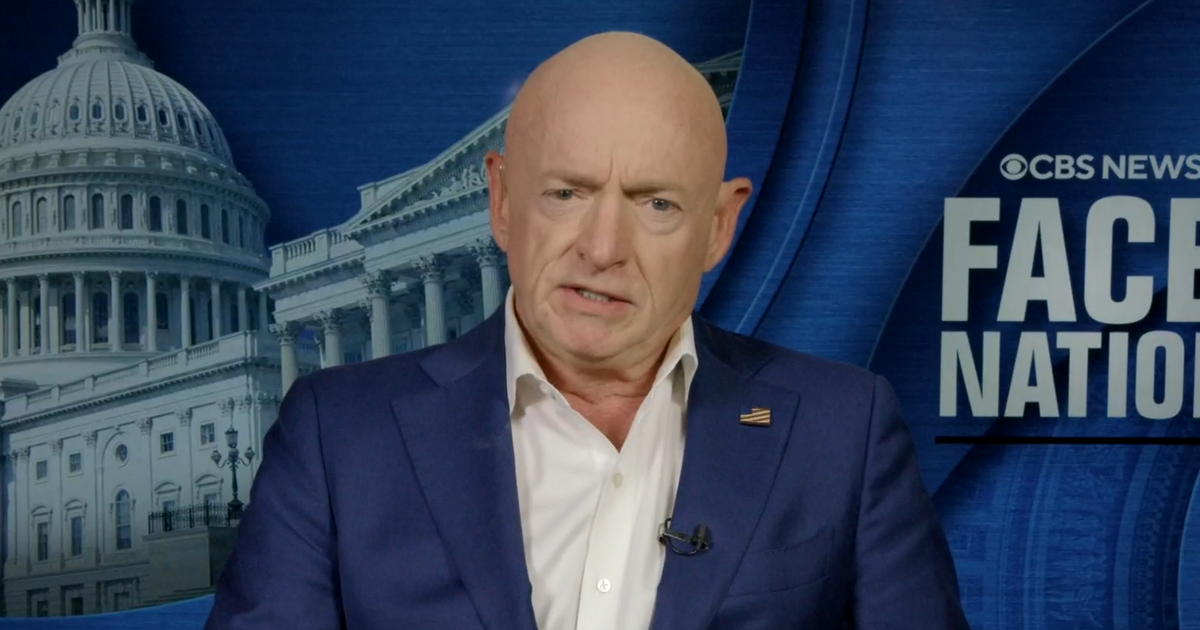
Democratic Senator Mark Kelly of Arizona has labeled the Trump administration’s proposed $1.5 trillion defense budget request as “outrageous,” sparking a heated debate over the trajectory of U.S. Military spending. Appearing on “Face the Nation with Margaret Brennan,” Kelly, who serves on the Senate Armed Services Committee, argued that the current proposal fails to align with the geopolitical realities of the present moment.
The administration’s fiscal year 2027 budget proposal represents a massive escalation in military funding, calling for a 42% increase in defense spending compared to 2026 levels. This request serves as the baseline for upcoming negotiations between the White House and Congress, but the sheer scale of the increase has already drawn sharp criticism from lawmakers concerned about fiscal responsibility and strategic efficacy.
For global markets and economic policymakers, a spending jump of this magnitude suggests a pivot toward an aggressive posture in defense procurement, and infrastructure. However, the proposal’s specifics—ranging from ambitious space-based defense systems to the funding of ongoing conflicts—have raised questions about whether the administration is prioritizing theoretical capabilities over practical readiness.
The Scale of Spending: A Historical Pivot
The jump to a $1.5 trillion request marks a significant departure from the spending patterns of the last several years. Senator Kelly highlighted the rapid acceleration of the defense budget, noting that when he first entered the Senate five and a half years ago, the defense budget stood at just over $700 billion. The current request essentially doubles that figure, a move Kelly suggests puts U.S. Spending on par with the combined defense expenditures of the rest of the world.
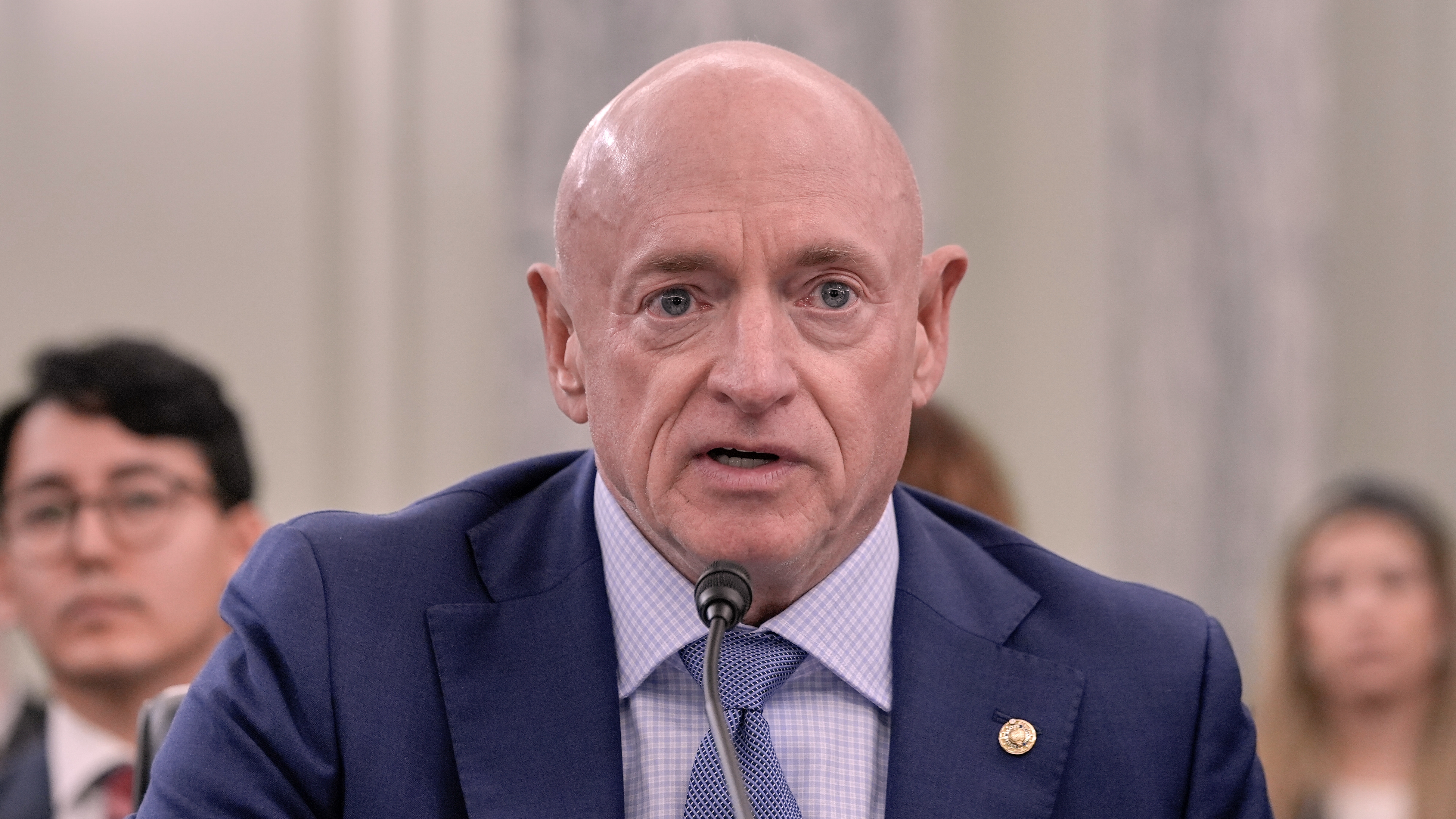
From an economic perspective, a 42% year-over-year increase in a single sector of government spending is extraordinary. Such a surge typically signals either a state of total mobilization or a fundamental shift in national security doctrine. Kelly emphasized the need for a budget that “makes sense for the moment we’re in,” suggesting that the administration’s request is decoupled from current strategic needs.
This budgetary expansion is not merely about maintenance but involves a comprehensive overhaul of how the U.S. Projects power. While the budget includes necessary updates, such as pay raises for troops and the resupplying of critical munitions, the inclusion of high-cost, high-risk experimental projects has become a primary point of contention for the Senate Armed Services Committee.
The “Golden Dome” and Technical Skepticism
One of the most controversial elements of the $1.5 trillion proposal is the funding for a space-based missile defense system referred to as the “Golden Dome.” The administration envisions this system as a critical shield against modern threats, but Senator Kelly, whose background includes extensive experience in aerospace and physics, expressed deep skepticism regarding its viability.

“There’s stuff in there, like Golden Dome,” Kelly stated, adding that “the physics on that stuff is really, really hard.” The Senator warned that the project risks becoming a financial sinkhole, asserting his confidence that the U.S. Would spend vast sums of money only to end up with a system that fails to function as intended.
The debate over the Golden Dome mirrors historical tensions in defense procurement, where the desire for a “silver bullet” technology often clashes with the laws of physics and engineering limitations. For the taxpayer and the broader economy, the risk lies in the opportunity cost: billions of dollars diverted toward an unproven space shield could otherwise be used to address immediate gaps in conventional munitions or personnel welfare.
The Iran Conflict: Discrepancies in War Costs
Beyond the baseline budget, the White House is expected to seek a supplemental spending package to cover the costs of the ongoing war with Iran. This supplemental request highlights a concerning discrepancy between official government testimony and internal military assessments.
During congressional hearings held late last month, a Pentagon official testified that the cost of the war with Iran was approximately $25 billion. However, U.S. Officials familiar with internal assessments have suggested that the actual price tag could be significantly higher, potentially reaching $50 billion. This 100% variance in estimated costs suggests a lack of transparency or a rapid escalation in the financial burden of the conflict that has not yet been fully acknowledged in public testimony.
Adding to the financial strain is the current state of the U.S. Munitions stockpile. Senator Kelly expressed significant concern over the depletion of critical supplies, citing Pentagon briefings that detailed specific shortages caused by the war with Iran. The need to resupply these munitions is a primary driver of the current budget request, yet the disconnect between reported costs and internal estimates complicates the legislative process for approving supplemental funds.
Key Takeaways of the FY2027 Defense Proposal
- Total Request: $1.5 trillion, representing a 42% increase over 2026 levels.
- Historical Context: The request is nearly double the $700 billion budget seen five and a half years ago.
- Controversial Projects: Funding for the “Golden Dome” space-based missile defense system is facing technical scrutiny.
- Iran War Costs: Public testimony estimates costs at $25 billion, while internal assessments suggest they may be closer to $50 billion.
- Critical Needs: The budget prioritizes troop pay raises and the replenishment of munitions stockpiles depleted by the conflict with Iran.
What So for Global Security and the Economy
The proposal of a $1.5 trillion budget is more than a domestic political dispute; it is a signal to global allies and adversaries. A 42% increase in spending suggests a U.S. Government preparing for high-intensity conflict, which may trigger a reciprocal arms race among other global powers. When one nation’s defense budget approaches the sum of the rest of the world’s, it fundamentally alters the global security equilibrium.
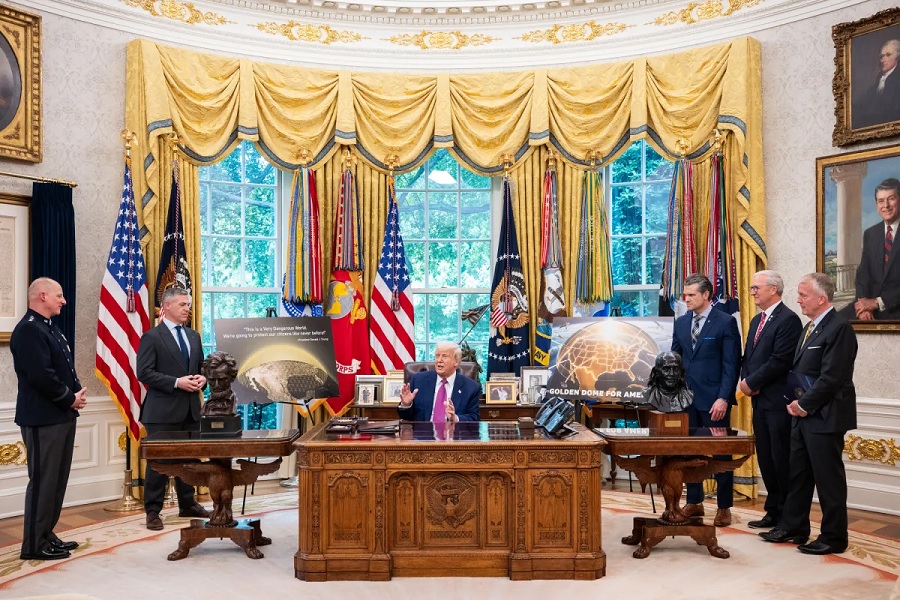
Economically, the focus on “Golden Dome” and other high-tech ventures represents a massive bet on the defense industrial base. If these systems fail, as Senator Kelly predicts, the result is a loss of capital with no strategic gain. Conversely, if the administration can justify the spending through tangible readiness improvements and successful innovation, it could solidify U.S. Technological dominance for the next decade.
The upcoming negotiations in Congress will likely center on the “Golden Dome” and the accuracy of the Iran war cost estimates. Lawmakers will be tasked with balancing the need for national security and munitions replenishment against the risk of funding “outrageous” projects that lack a sound scientific basis.
The next critical checkpoint will be the formal submission of the supplemental spending package to Congress, which will force a public reckoning over the true cost of the war with Iran and the viability of the administration’s broader defense strategy.
Do you believe the U.S. Should prioritize experimental space-based defense or focus on conventional munitions and troop welfare? Share your thoughts in the comments below.
Worth a look