Hantavirus Outbreak: First Suspected Case Reported Off Cruise Ship, Evacuations Underway as Global Health Authorities Monitor Spread
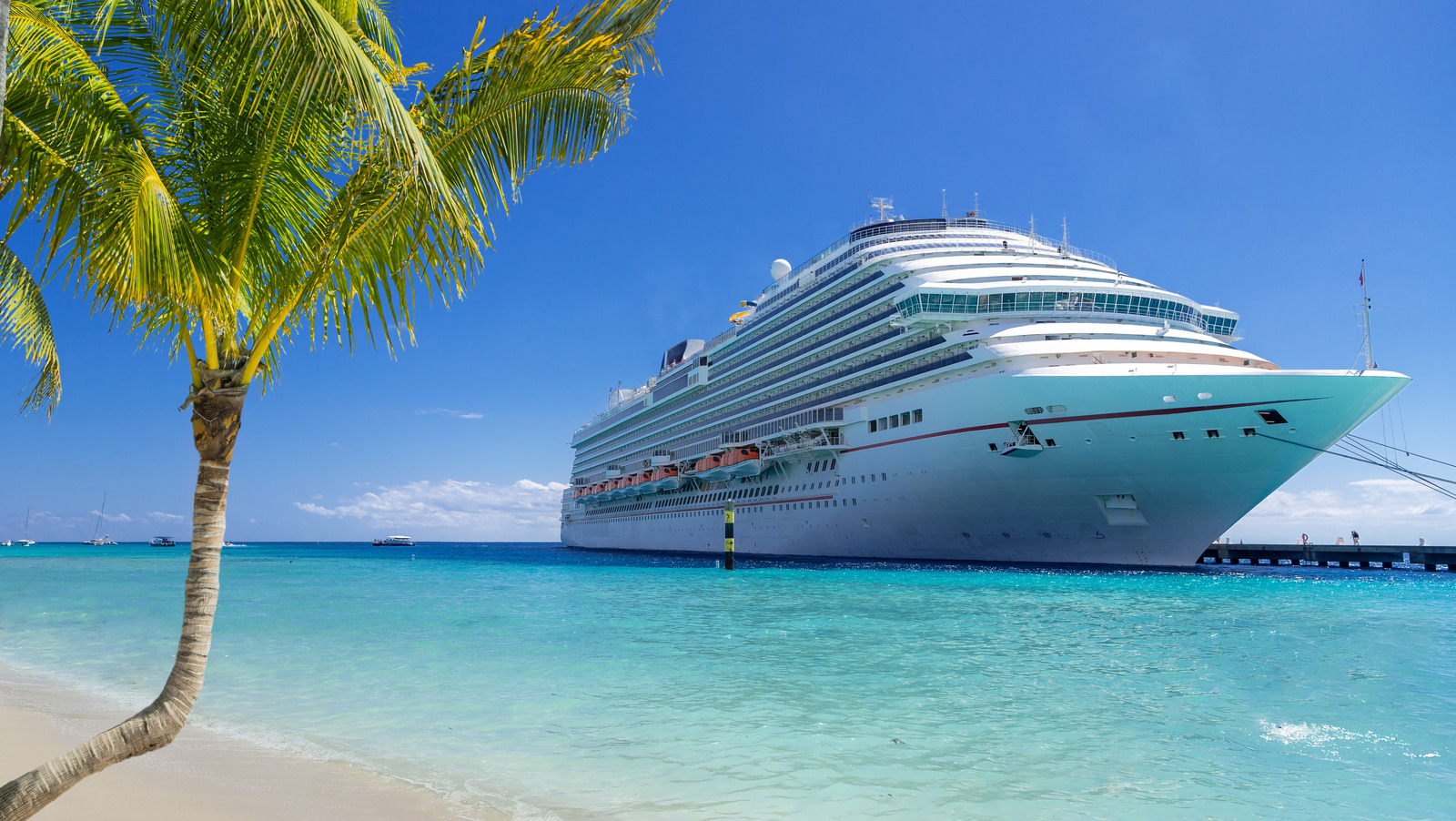
Global health officials are scrambling to contain a potential hantavirus outbreak after the first suspected case was reported off a cruise ship in international waters, prompting the immediate evacuation of passengers and crew. The development has raised alarms among public health agencies, who are working to determine whether the virus has spread beyond the initial patient and whether further containment measures are necessary. Hantavirus, a rare but potentially deadly zoonotic disease transmitted through rodent urine or droppings, has seen sporadic outbreaks in recent years, but its appearance on a cruise ship—an environment with high human density and international travel routes—has intensified scrutiny.
The case was confirmed by preliminary testing, though laboratory confirmation from a high-authority health organization such as the World Health Organization (WHO) or the U.S. Centers for Disease Control and Prevention (CDC) is still pending. Cruise lines, ports of call, and national health ministries are coordinating to assess risks, with some countries already advising travelers to monitor symptoms—fever, muscle aches, and respiratory distress—if they recently disembarked from the affected vessel. The ship’s operator has suspended operations pending further investigation, though no additional cases have been reported at this time.
This represents not the first instance of hantavirus raising concerns aboard maritime vessels. In 2023, a similar alert was issued after a single case was detected on a cargo ship in the Pacific, though no secondary transmissions occurred. However, experts warn that the enclosed environment of a cruise ship—with shared ventilation systems, communal dining, and close quarters—could accelerate transmission if the virus is present. The European Centre for Disease Prevention and Control (ECDC) has issued a rapid risk assessment, noting that while hantavirus is uncommon in maritime settings, the “prolonged exposure risk” on cruise ships warrants heightened vigilance.
What Is Hantavirus, and How Is It Spread?
Hantavirus is a group of viruses carried by rodents, including mice, rats, and voles. Infection occurs when humans inhale aerosolized particles from rodent urine, droppings, or saliva. The most severe form, Hantavirus Pulmonary Syndrome (HPS), can progress to respiratory failure with a fatality rate as high as 38% in some regions, according to the CDC. Symptoms typically appear 1–5 weeks after exposure and include:
- Fever and chills
- Severe muscle aches, particularly in the large muscle groups (thighs, hips, back, and shoulders)
- Headaches
- Dizziness or lightheadedness
- Respiratory symptoms (coughing, shortness of breath)
While hantavirus is more commonly associated with rural or forested areas—where rodents are prevalent—its appearance on a cruise ship suggests potential contamination of food supplies, water systems, or cargo holds. Health officials are investigating whether the virus was introduced via contaminated goods, rodent infestation aboard the vessel, or another vector. Cruise ships, which often carry perishable food and non-food items from multiple ports, are not immune to such risks.
Evacuation and Containment Measures
As of the latest updates, the affected cruise ship—operated by a major international line—has been placed in quarantine near a coastal port while passengers and crew undergo medical screening. Authorities have advised those who disembarked in the past 48 hours to monitor for symptoms and seek immediate medical attention if they develop fever or respiratory issues. The ship’s itinerary, which included stops in Europe, North America, and the Caribbean, has been suspended pending further testing.
The WHO’s Disease Outbreak News team is coordinating with national health agencies to assess whether the case constitutes a public health emergency of international concern (PHEIC). While hantavirus outbreaks are typically localized, the cruise ship’s global route has prompted calls for heightened surveillance among travelers who may have been exposed. The International Maritime Organization (IMO) has also issued guidance to ship operators on sanitation protocols to prevent rodent infestations.
Who Is at Risk, and What Should Travelers Do?
Not all passengers are equally at risk. Those who spent extended time in areas where hantavirus exposure is likely—such as cargo holds, galley kitchens, or engineering spaces—face higher potential for inhalation of contaminated particles. However, even brief exposure in shared spaces could pose a risk if the virus is airborne. Health authorities recommend the following precautions:
- Monitor symptoms: Travelers who disembarked from the affected ship should watch for fever, muscle pain, or respiratory symptoms within 30 days of exposure.
- Seek medical advice: If symptoms develop, contact a healthcare provider immediately and disclose recent cruise ship travel.
- Avoid rodent-infested areas: While on board ships or in ports, passengers should report sightings of rodents to crew members.
- Follow hygiene protocols: Regular handwashing and avoiding contact with potentially contaminated surfaces (e.g., unsealed food packages) can reduce risk.
Cruise lines are under pressure to enhance sanitation measures, particularly in food storage and waste management areas. The Cruise Lines International Association (CLIA) has stated it is “working closely with health authorities to ensure the highest standards of cleanliness and safety are maintained.” However, industry experts note that rodent control on ships remains a challenge, given the difficulty of maintaining pest-free environments during long voyages.
Global Response and Next Steps
Health agencies are treating this as a time-sensitive investigation, with laboratories around the world analyzing samples to confirm the strain of hantavirus involved. Preliminary genetic sequencing could reveal whether the virus originated from a specific region, which might help trace its introduction to the ship. The WHO Regional Office for Europe has activated its emergency response team to support affected countries in contact tracing and case management.
In the meantime, the cruise industry is bracing for potential fallout. Stock markets have seen minor fluctuations in shares of major cruise operators, though no major disruptions have been reported. Travel insurance providers are advising clients to check policy terms for coverage related to health emergencies abroad. The United Nations World Tourism Organization (UNWTO) has urged destinations to remain vigilant but avoid overreacting, as panic could disproportionately harm local tourism sectors.
Key Takeaways
- First confirmed case: A suspected hantavirus infection has been reported off a cruise ship, triggering evacuations and medical screenings.
- Transmission risk: Hantavirus spreads through rodent urine/droppings; cruise ships are high-risk environments due to enclosed spaces and food handling.
- Symptoms to watch: Fever, muscle aches, respiratory distress—seek medical help if experienced within 30 days of potential exposure.
- Global coordination: WHO, CDC, and national health agencies are collaborating to contain the outbreak and assess travel risks.
- Industry response: Cruise lines are reviewing sanitation protocols, though rodent control remains a persistent challenge.
- Traveler advice: Monitor health post-travel; report rodent sightings; follow hygiene guidelines.
What Happens Next?
The next critical checkpoint is the laboratory confirmation of the hantavirus strain, expected within 72 hours, according to the WHO. If confirmed, health agencies will determine whether the case is isolated or part of a larger outbreak. Cruise ship operations may resume only after:

- Comprehensive disinfection of affected areas.
- Negative test results for all passengers and crew.
- Approval from port health authorities and national governments.
In the absence of further cases, the situation may be classified as a contained incident. However, if additional infections are detected, the WHO may declare this a public health event of international concern (PHEIC), triggering global travel advisories. The cruise industry is also likely to face increased scrutiny over rodent control measures, potentially leading to new regulations.
For the latest updates, travelers and health professionals can monitor:
- The WHO’s Disease Outbreak News.
- The CDC’s hantavirus outbreak page.
- Official statements from the cruise line involved.
- National health ministry advisories for affected countries.
As this story develops, World Today Journal will provide continuous coverage, including expert analysis on the risks to travelers and the long-term implications for maritime sanitation standards. In the meantime, we encourage readers to share their experiences or concerns in the comments below—or tag us on social media for updates.
Keep reading