Trump Considers Legal Action Against BBC Over Edited Speech Footage
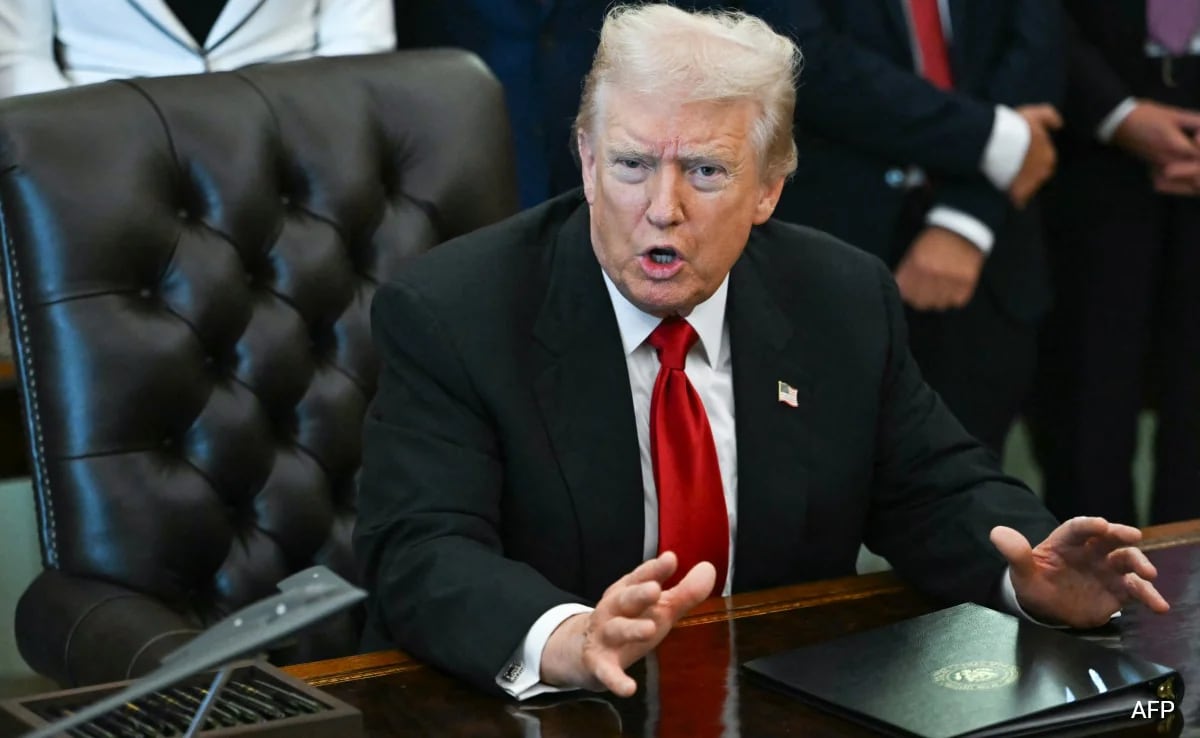
Donald Trump is contemplating a defamation lawsuit against the British Broadcasting Corporation (BBC) stemming from the editing of a speech he delivered prior to the January 6th Capitol riot. The core of the potential case centers on allegations that the BBC manipulated footage to falsely imply a direct incitement of violence. Though, legal experts suggest the former president faces critically important hurdles in pursuing a successful claim.
The Dispute: Editing and Interpretation
The controversy revolves around how the BBC presented excerpts from Trump’s speech.Critics argue the editing created a misleading narrative, suggesting he explicitly called for his supporters to attack the capitol building. While the riot resulted in injuries to over 140 law enforcement officers and millions of dollars in damage, trump’s original remarks did not contain a direct call to action.
It’s critically important to understand that the BBC utilized portions of Trump’s speech, both of which he actually uttered. The issue, according to analysis, isn’t fabrication, but rather the juxtaposition of those segments. This distinction is crucial under defamation law.
Legal Challenges and Timelines
Several factors complicate Trump’s legal options. Frist, the one-year statute of limitations for defamation claims in the United Kingdom has expired. Consequently, any lawsuit would need to be filed in the United States, with his legal team indicating Florida as the likely venue.
Furthermore, U.S. law provides substantial protection to publications when reporting on matters of public concern. To succeed,Trump would need to demonstrate that the BBC acted with “actual malice” – meaning thay knew the edited footage was false or recklessly disregarded the truth. This is a high bar to clear.
A Pattern of Legal Battles
this potential lawsuit isn’t an isolated incident. trump has a history of pursuing legal action against news organizations he believes have portrayed him unfairly. Recent examples include multi-billion dollar cases against The New York Times and The Wall Street Journal, both of which are vigorously defending themselves.
Notably, Trump has secured settlements in the past. CBS paid $16 million to resolve a suit over editing a Kamala Harris interview, and ABC paid a similar amount related to a misstatement by George Stephanopoulos regarding a civil case brought by E. Jean Carroll. However, these settlements don’t guarantee success in future cases.
Expert Opinions: Free Speech concerns
Legal scholars are skeptical about Trump’s chances against the BBC. Fordham Law School Professor Benjamin Zipursky emphasizes the Supreme Court’s strong commitment to protecting political speech.
he argues that allowing such lawsuits to proceed could have a chilling effect on journalism, leading news organizations to self-censor for fear of costly litigation. This concern is central to the first Amendment’s protections.
What does This Mean for You?
This case highlights the complex intersection of free speech, media responsibility, and legal recourse.As a consumer of news, it’s vital to:
* Be a critical thinker: Don’t accept facts at face value.
* Seek diverse sources: Compare reporting from multiple outlets.
* Understand context: Consider the full scope of events, not just isolated clips.
* Recognize bias: Be aware that all news sources have a outlook.
Ultimately, the legal outcome of this dispute will likely have broader implications for how news organizations report on political figures and events. It underscores the importance of responsible journalism and the ongoing debate surrounding the boundaries of free speech.